7 hours ago
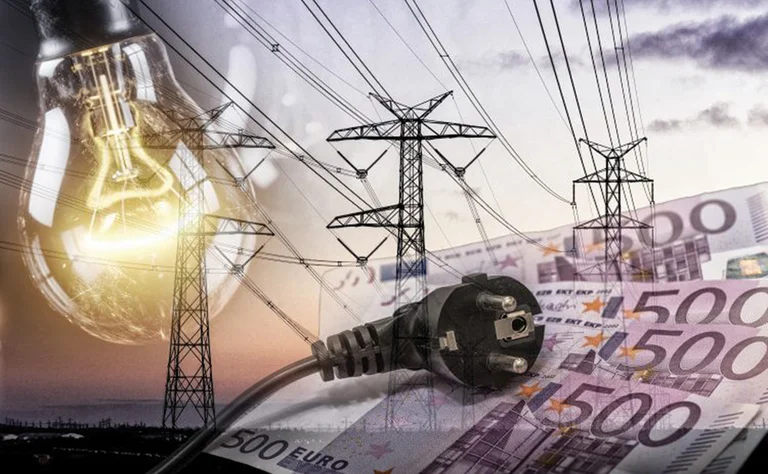
As a result of the open energy market, businesses in Kosovo are starting to close doors
Periskopi(a year ago)
(a year ago)In support of businesses that are opposing the open energy market, Oda and businesses also emerged. Her chairman, Arrian Zeka, said the best example for the negative impact of energy market liberalisation without prepared infrastructure is the closure of Fernikel's last oven a month ago. American Oda and [...]
In support of businesses that are opposing the open energy market, Oda and businesses also emerged.
Her chairman, Arrian Zeka, said the best example for the negative impact of energy market liberalisation without prepared infrastructure is the closure of Fernikel's last oven a month ago.
American Oda and Business Club Chairman Ilir Ibrahimi also sounded the alarm that other businesses in Kosovo are starting to close, while as the Ministry of Economy has been informed of the situation, which is not taking any step.
The liberalisation of the energy market is a deadlock for businesses, says the chairman of the American Business House, Arian Zeka.
Praising the consequences of the liberalisation of the energy market in the way it is being implemented, Zeka suggests that a business has already stopped its operation by leaving 300 workers on the street.
“in a very poor municipality of Kosovo, a business has fired 300 workers from the job, and the economy minister... ..” has been notified, Zeka told RTV21.
A number of businesses have confirmed that RTV21, the entry into force of the energy market liberalisation decision has caused uncertainty about their activities.
On the other hand, the economy ministry says only one percent of businesses are affected by the ZERE decision.
This minister didn't answer. RTV21 if he's aware of the closure of businesses because of the open energy market, but the head of the Business Club,
Ilir Ibrahimi raises the alarm for urgent reflection on saving businesses from bankruptcy.
“Business risks default”, Ibrahim said.
Currently in Kosovo there are 21 companies licensed for electrical power supply, while businesses have accepted bids only from KESCO at a price of 300% more expensive than the current electricity price. /Periscope/