6 hours ago
Rafuna warns business closures, increased poverty, cause of electricity price increase

Periskopi(a year ago)
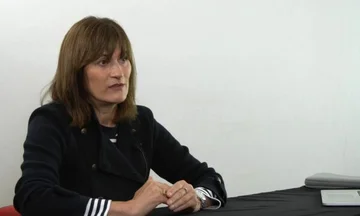
(a year ago)The increase in the price of electricity is seriously jeopardising Kosovo citizens' businesses and standards of life, estimates Kosovo Economica Chairman Lulzim Rafuna. In an interview for Online Economics, Rafuna says Kosovo is becoming a hopeless country because of major impacts of the expensive energy in the economy [...]
In an interview for Online Economy, Rafuna says Kosovo is becoming a hopeless country, due to major impacts of the expensive energy in economy and society.
According to him, the 16.1 percent increase in electricity prices is directly affecting the purchasing power of citizens, while the release of the free market has increased the price of energy to 400 percent, which could lead to the closure of businesses, increasing unemployment and further poverty of citizens.
That's a lot. Also, there is a lot of free market exit, where 200 ʹ400 percent has gone by, but if this stubbornness continues to keep businesses on the free market, there will no longer be spoken of 400 percent but there will be no percentage that will stop the price of electricity. We import energy. Along with him, we import the prize. Business will not be shut down, but it will no longer be possible under these conditions and”, Rafuna said.
He stresses that increased the price of energy for citizens has been unfair, since it has reduced the living standard and weakened economic activity. According to him, when there is no purchasing power, businesses cannot perform, so it opposes increased energy prices for both the family economy and the private sector.
Rafuna warns that the worst consequences will be felt in the cold months, when energy consumption increases significantly.
He adds that local producers are losing competition in the face of imported products, while exports are dropping.
If businesses shut down unemployment, Kosovo is becoming a hopeless country. Citizens don't notice now because we don't spend much. Most of the price will be observed by the beginning of October, when the weather is colder and energy consumption begins. Then the citizen will notice, but business too. If we become a place that everyone will exploit, everyone will sell us, we won't have production. It's the latest data: only 13 percent of it is imported. We're stuck, we even have a drop in exports. In five months there are 1.6 billion imported”, he stressed.
Rafuna concludes by saying that increased energy prices are additional costs for each producer, which makes the domestic product more expensive and less competitive, both in the domestic and international market.