8 hours ago
Iran closes the Strait of Hormuz, the artery where 20 percent of world oil passes
Periskopi(a year ago)
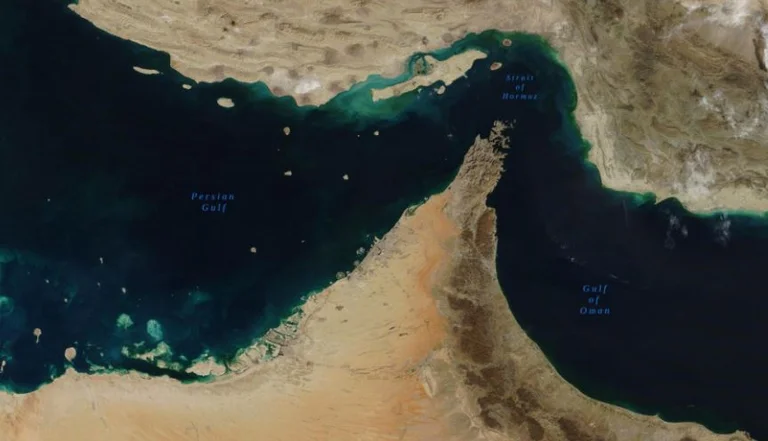
(a year ago)After the American bombing of three nuclear power plants in Iran, the Tehran Parliament voted to close Hormuz Strait, where it exceeds about 20 percent of world oil. Hormuz Strait is a narrow passage between Iran and Oman and is a critical artery to the global economy. This strait connects the Persian Gulf [...]
Hormuz Strait is a narrow passage between Iran and Oman and is a critical artery to the global economy. This Strait connects the Persian Gulf to the Arabian Sea and the Indian Ocean, allowing oil transport from ports to Saudi Arabia, the United Arab Emirates, Kuwait and Iraq to world markets.
The blockade of the Hormuz Strait would mean cutting off oil supplies mainly in Asia, Europe and North America, which would cause an immediate increase in oil prices (according to some estimates of over $100 a barrel, and some even 200).
Such price increases would lead to rising inflation worldwide, potentially slowing economic growth and breaking up supply chains.
Countries dependent on oil imports such as China, India, Japan and much of Europe would be affected, especially since their energy costs would increase and competitiveness on the global market would be lowered.
Likewise, US regional allies, such as Saudi Arabia and the United Arab Emirates, would suffer major losses, as their oil exports would drop significantly, which would further destabilise the region. /Periscope/