13 minutes ago
Hasani: Constitutional Court has made it clear, the constitution's constitutionalisation takes place without a secret vote
Periskopi(a year ago)
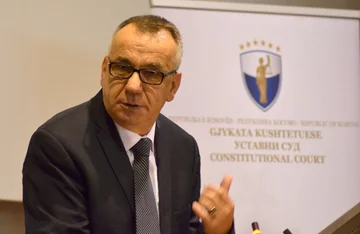
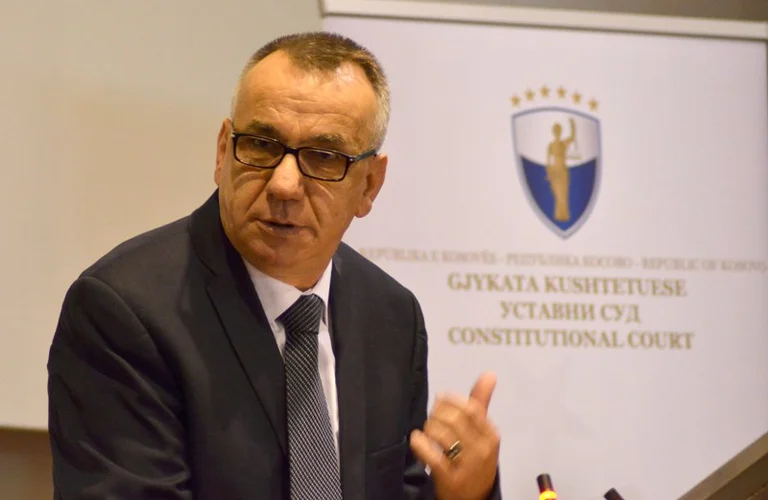
(a year ago)The former head of the Constitutional Court, Enver Hasani, has stated that the Constitution's recent act of conviction regarding the constitutional constitutionalisation crisis makes it clear that procedures must continue according to the practice thus far, without including secret voting in the election of the Speaker and deputy heads of the Parliament, Periscopi broadcasts. According to Hasani, the Constitutional Court has imposed [...]
According to Hasani, the Constitutional Court has stressed three important grounds for the constitution: The constitution, previous practices and the Framework of the Parliament.
He stressed that there has been no precedent for secret voting in this process until now, and for this reason the final decision clearly guides the Parliament to follow the same path.
The Constitutional Court has made it clear that the constitution's constitutional institution is under the Constitution, the practice of until and the Framework of the Parliament. So far there has been no secret vote, and the Constitution has subsequently made it clear that there must be procedures like they have been by no secret vote,” Hasani said in RTVDukagjini.
The Court's decision stresses that the form of voting for the election of the Speaker and vice-presidents of the Parliament is not defined in the Constitution or the Framework of the Parliament, but that the parliamentary practice followed so far has been by open voting and that it must continue until there is no clear legal change.
This approach is expected to affect the resolution of the institutional blockade and give the Parliament a clear direction for completing the constitutional deadline of 30 days.