8 hours ago
European leaders “alarmed”, calling Israel and Iran: Calm down the situation
Periskopi(a year ago)
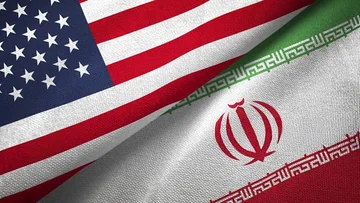
(a year ago)European leaders are expressing alarm for night-to-night military attacks between Israel and Iran and are calling for immediate calming of the situation to avoid a general war that could spread throughout the Middle East and beyond. British Prime Minister Keir Starmer was one of [...] leaders
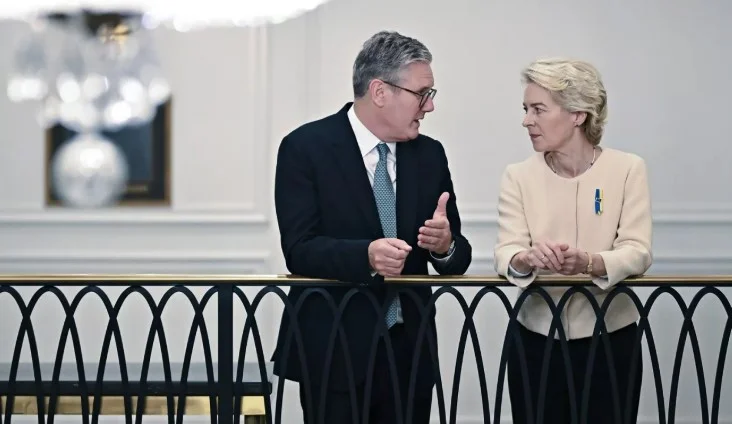
British Prime Minister Keir Starmer was one of the first leaders of the governments to react, calling on “all sides to withdraw and reduce emergency tensions”.
“escalation serves no one in the region. Stability in the Middle East should be a priority and we are engaged in partners to reduce tensions. Now it's time for content, silence and return to diplomacy,” said Starmer.
His Dutch counterpart, Dick Schooff, issued a similar message.
Vulnerative resolutions in the Middle East. The Netherlands urges all sides to remain calm and refrain from further attacks and revenge. In the interest of stability in the region, an immediate deescendum” is necessary, Schooff said.
German Chancellor Friedrich Merz gathered his security cabinet after speaking on the phone with Israeli Prime Minister Benjamin Netanyahu, who briefed him about the goals of the military operation.
The Iranian nuclear programme <x0.0 violates the provisions of the Treaty for Nuclear Nonproliferation and poses a serious threat to the entire region, especially to the state of Israel”, Merz said in a statement, while warning against regional instability.
Merz cited the latest conclusion of the International Atomic Energy Agency (IAEA), which found Iran was failing to meet its nuclear obligations for the first time in 20 years.
Germany is ready “to exert influence over the sides in the conflict using all diplomatic means available. The goal should remain Iran's prevention from developing nuclear weapons”, the Chancellor added.
From Brussels, leaders of European Union institutions also gave their opinion on events that change rapidly.
“Europe calls on all sides to exercise maximum restraint, immediately reduce tensions and refrain from revenge”, said Ursula von der Leyen, president of the European Commission, calling the news “purely alarming”.
“A diplomatic solution is now more urgent than ever, for the sake of the region's stability and global security”, von der Leyen added.
High Representative Kaya Kallas described the situation as dangerous “ ” and said “diplomacy remains the best route before”.
Other countries offered their initial reactions through their foreign affairs ministries.
“Situate in the Middle East is deeply disturbing and the cycle of military escalation must end”, said Elina Valtonen of Finland, noting that Finnish Embassy staff in Tehran was “safely” and continued to operate “abnormally”.
France's Jean-Nowl Barrot said it was the <x0 willless to mobilise all diplomatic tools” to reduce rising tensions, while Ireland's Simon Harris warned that further “escalation would bring a very real risk of regional spread”.
This would be catastrophic for all people in the region”, Harris said.
The renewed conflict between Israel and Iran comes two days before the leaders of the Seven Group (G7) meet for a two-day summit in Canada. The summit agenda aimed to focus on Russia's fight against Ukraine and the international trade system, but recent developments can easily transform that agenda.