13 minutes ago
European Commission: We have begun removing measures, other steps depend on sustainable deespass in the north
Periskopi(a year ago)
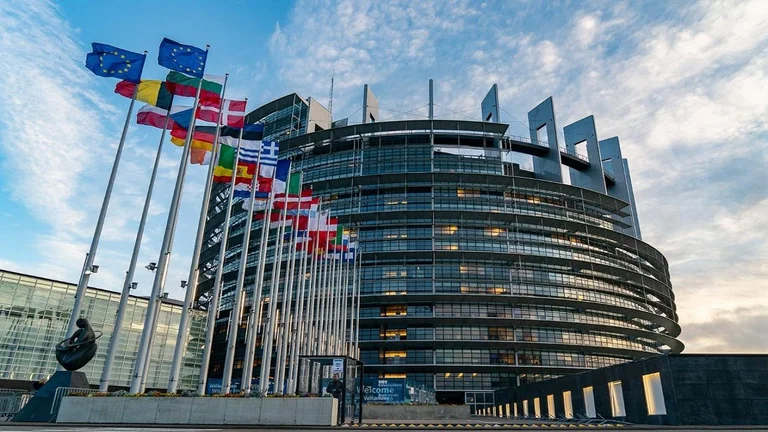
(a year ago)The European Union has begun removing punitive measures against Kosovo as “a commitment to the bloc's”. EU High Representative Kaya Kallas brought this message with her on her first visit to Pristina. The European Commission today said they have started working in this direction, but stressed that the rest of the removal of [...]
The European Commission has confirmed that it has launched the gradual removal of punitive measures imposed in June 2023 due to tensions in the north.
An EU spokesman in a response to Gazeta Express said the next steps on the part of the EC would depend on Kosovo's progress if it manages to meet their expectations for stressing the situation in the country's north.
“in December 2024, the Council stated that the EU would gradually remove measures parallel to Kosovo's further steps for de-progressing tensions in the north. In this direction, the Commission has taken the first steps to remove several measures. Further steps depend on progress on the ground in accordance with our expectations and are conditioned with the sustainable de-scaling in the north”, this spokesman said.
However, The EU revealed what measures have been removed and which measures continue to be in effect.
Her visit to Pristina began with the long-awaited news in Kosovo for removing measures, even though their partial removal did not strongly satisfy leaders in the country.
“As a sign of our commitment, I can announce that the EU has begun gradually removing the measures presented in June 2023. This decision paves the way for greater opportunities for Kosovo's development and also for closer ties with Europe”, Kallas said, citing the conditions for removing the rest of the measures.
But, Kallas Sıla did not mention the recent actions of Kosovo authorities in the north with the closure of parallel structures an issue the EU insists should be resolved at the table of dialogue.
The closure of Serbia-backed structures in the north undermines efforts towards de- escalation. Kosovo has made significant progress in strengthening democratic institutions in recent years, and our EULEX mission continues to support rule of law in Kosovo. But again, the current political framework and deadlock are holding Kosovo back”.
At her conference in Pristina, Kallas said the decision on partial removal was to show the EU's will, but that Pristina should also show results in this regard.
I think it's important to understand that at the same time we don't see escalation in the north. Why am I saying that? [Because] I personally have convinced member states that we should move [in reporting] with measures for Kosovo, but some say Kosovo should respect the Ohrid Agreement. And the escalation in the north is going against this. So this is the war we are in. So, first of all, we're about to take steps on our side, but we really need to see de-progression in the north”, Kallas said.
Calla's predecessor at the end of his mandate, in June 2024, had submitted a report to EU member states with the recommendation that the measures be removed from Kosovo.
In his recommendation, Borrell had written that the Council's <x0ved version would be a political signal and contribute to the balanced context in which the Pristina-Belgrade dialogue, which is facilitated by the EU, could move ahead of”.
Anyway, since then, The EU had taken any steps to implement this recommendation.
There were many complaints in Kosovo and one made by President Vjosa Osmani just days before Kallas came to Kosovo with the announcement of partial removal.
Osmani had addressed the issue during the European Political Community summit in Tirana, which was held in mid-May.
She had said that keeping these measures in force “is harming the EU's own credibility”, while demanding lifting them before the resumption of Kosovo-Serbia dialogue in Brussels.
That's what I asked for last night during the EU's organised dinner, and I'm going to look for today, because that would grant credibility to dialogue”, Osmani said. /Periscope/