6 hours ago
EUROOPOL: Underages Targeted by terrorist propaganda · Global Voices
Periskopi(a year ago)
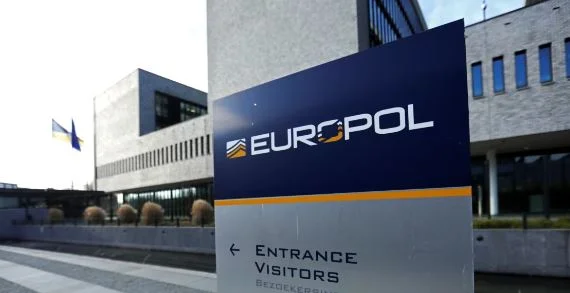
(a year ago)European Police Agency [ EUROOPOL] announced that after a broad operation at the end of May, he removed over 2,000 links containing jihadist and right extremist propaganda aimed at targeting minors. Albania, Austria, Belgium, Bosnia and Herzegovina, Czechia, [...]
Albania, Austria, Belgium, Bosnia and Herzegovina, Czechia, Denmark, Germany, Hungary, Ireland, Malta, Portugal, Serbia, Slovenia, Spain, Ukraine and the United Kingdom participated.
This action of the European Union Police Agency comes just weeks after EUROOPOL established a new operational task force dedicated to combating the increasingly widespread practice of recruiting minors into organised and serious crime, REL reports. Periscope.
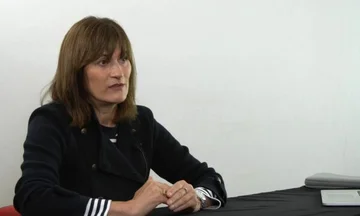
“Terror groups increasingly target young people, exploiting their weaknesses, but also their ability to use digital tools to spread violent and extremist ideas”, said the executive director of EUROOPOL, Catherine De Bore.
The protection of children from exploitation by criminal networks is one of our top priorities”, she stressed.
The report mentions new disturbing tactics of extremist groups, which use artificial intelligence (AI) to create text, images and videos in order to reach the new public.
According to EUROOPOL, propaganda often includes: combinations of images of children with extremist messages, measurable content and short videos with elements from computer games, deregulation of minors who have participated in terrorist attacks, where boys are represented as “fighters” and “Societypress”, and girls as supporters of future fighters.
Especially disturbing is the trend of using the victim's narrator, where through images of children injured or killed in war zones, emotional identification and the need for revenge is promoted, the EUROOPOL points out.
The European Centre for Combating Terrorism under EUROPOL (ECTC) continues to support member states in preventing and investigating the spread of terrorist content on the internet, with the aim of creating a more secure digital environment for EU citizens, it is said among other things in the statement.