11 minutes ago
UN: Despite EU efforts, Kosovo-Serbia tensions remain high
Periskopi(a year ago)
(a year ago)A recent report by the United Nations team in Kosovo stresses that continuing tensions and the fragile situation in the north continue to negatively affect Kosovo's overall stability, hindering not only progress in the process of normalising reports with Serbia but also limiting Kosovo institutions' ability to [...]
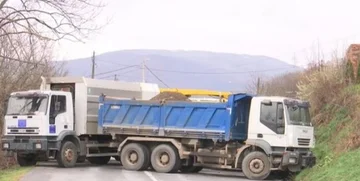
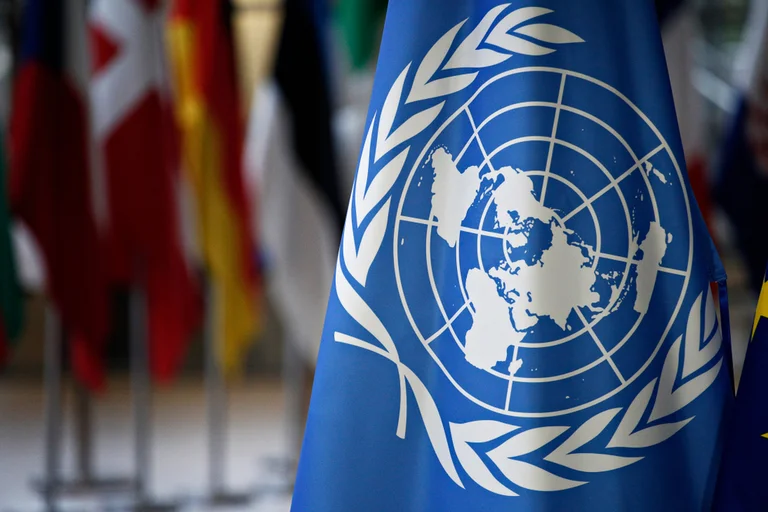
A recent team report United Nations In Kosovo, it stresses that continuing tensions and the fragile situation in the north continue to negatively affect Kosovo's overall stability, preventing not only progress in the process of normalising reports with Serbia, but also limiting Kosovo's institutions' ability to take full advantage of European Union initiatives.
“Twenty-five years after the end of the conflict, there is little progress towards reconciliation between Belgrade and Pristina, and between communities within Kosovo. The situation in Kosovo continues to be part of the UN Security Council agenda. The crisis marking Kosovo's north hinders foreign investment, sustainable development, regional co-operation and integration”, writes in the 40-page document.
The report also mentions key issues that have influenced the blocking of the dialogue process and have led to a rise in polarisation between the parties, starting with disagreements over the establishment of the Serb Majority Commission Association.
The “Political blockades about the establishment of the Kosovo Serb Majority Community Association, mutual recognition between Belgrade and Pristina, and the failure to include the signatures of the parties in the 2023 Brussels and Ohrid Accords, have served more to polarise than to normalise relations”.
“The EU has held Kosovo responsible for escalation of tensions in the north and has imposed measures in June 2023, including the suspension of development aid. These measures by Kosovo's largest donor have a statistical effect on its efforts to achieve the agenda's 2030” goals, the UN team's report recalls, among other things.
And although Kosovo has noted progress in democratic development, especially through free elections and peaceful transition of power, according to the UN report, it has faced social, economic and environmental vulnerability, along with problems in the education sector, health care, gender equality and climate crisis.. /Periscopi/