6 hours ago
COMMF alerts: Children in Kosovo face violence, discrimination, lack of service
Periskopi(a year ago)
(a year ago)The Coalition of Child Protection Organisations in Kosovo (KOMF), on International Children's Day, has raised the alarm for the country's serious child rights situation, calling for urgent reforms and sustainable investments in key sectors affecting children's lives. According to KOMF, although children under 18 are [...]
The Coalition of Child Protection Organisations in Kosovo (KOMF), on International Children's Day, has raised the alarm for the country's serious child rights situation, calling for urgent reforms and sustainable investments in key sectors affecting children's lives. According to KOMF, although children under 18 make up about 28% of Kosovo's population, the fragile “social protection system risks their well-being and development”.
The organisation stresses that social schemes are largely reactive and not preventative, while additions for children rule out children aged 16-18, discriminating them. The financial stability of social services remains among the main challenges, jeopardising the reduction of services for children and denying fundamental rights guaranteed under the Constitution”, the statement said.
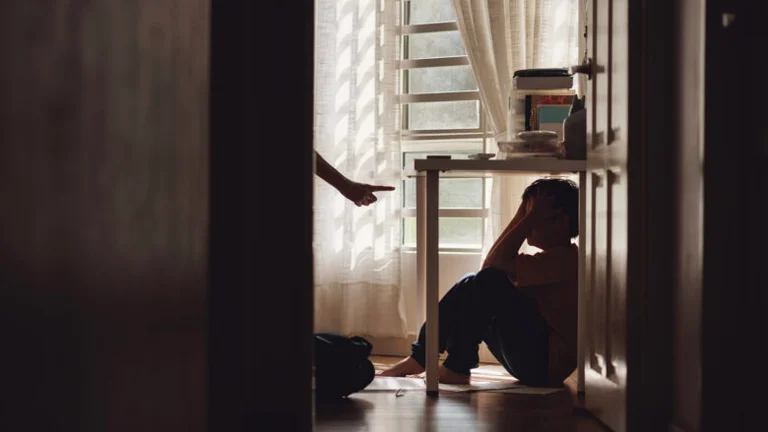
The situation is especially alarming in terms of protection from violence. Recent data shows that 72% of children in Kosovo experience violent forms of discipline within the family. About 600 children live without parental care, while 5% of children are involved in hard work.
KOMF criticises the failure to implement the Child Protection Law, which, although approved since 2020, has not yet found full application. “Limited financial and human capacity has created a system that only manages the most severe emergency cases, neglecting preventive and supporting measures”, the organisation stresses.
In the field of education, the inclusion of children in pre-school education remains extremely low. Only 15% of children aged 3-4 attend development programmes. Challenges include poor results in international tests, including the Environment Test and P ISA, as well as lack of access to disabled children. Only 609 out of 1,044 educational institutions offer physical access to disabled children, while the number of support staff is insufficient”, the KoMF notes.
The situation is also heavy in the health sector, where lack of health insurance causes parents to face high costs of child treatment. Throughout Kosovo, there are only 7 child psychiatrists 10 clinical psychology specialists and 2 clinic psychologists across the country, while the average age of drug use has dropped from 18 to 16, and the total number of users of these substances has exceeded 30,000.
Kosovo still does not provide services and prevention and rehabilitation programmes for children and teenagers users of these”, KOMF adds. In the face of this situation, the KMF calls for emergency measures, including:
-The map and implementation of policies and programs for supporting and empowering families, economic empowerment; Adoption of the new Law on Social Assistance, removal of discrimination criteria for children; Reforming additions for children, increasing monthly amount and including the age 17-18 in their context; a adoption of the Bill for Rights, Education, Treatment and Recognition of Status, Services and Benefit for Those With Limited Skills;
-The foundation of the child's free phone line and the foundation of houses for child protection under the Child Protection Law;-The foundation of services and programs to prevent the use of drugs by children; Organizing community mobile teams for identification, testing and supporting cases of child victims of drug abuse; The foundation of parents' strengthening services for child care and support during rehabilitation and re-integration;
-Raising human resources within public mental health institutions; increasing the number of pre-school institutions and children's involvement in pre-school levels;
- Reviewing the teaching program, revising the curriculum and reviewing textbooks; The performance of teachers and their continued professional support and development; a growing number of supportive teachers, assistants for children with limited abilities; and providing physical access for them, in schools;
The establishment of specialised centres or houses for the treatment and rehabilitation of children in conflict with the law, under the age of criminal responsibility. <x). /Periscopi/