7 hours ago
Today the 25th episode of the Convention Constitution
Periskopi(a year ago)
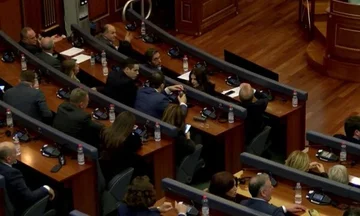
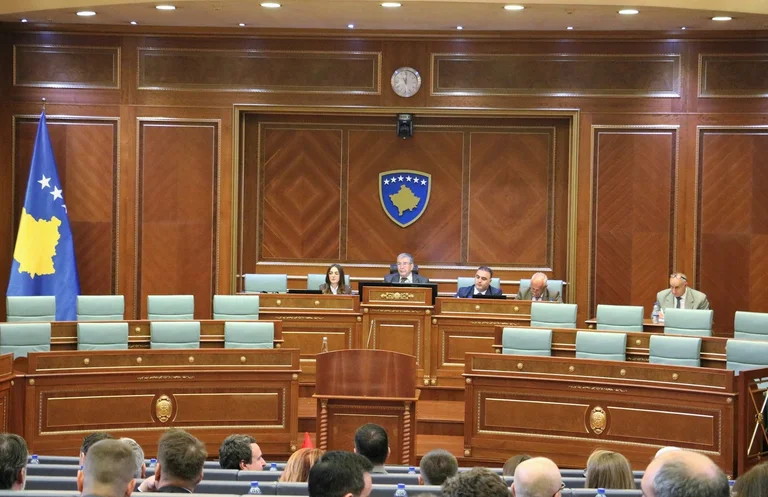
(a year ago)Kosovo Assembly MPs have failed Saturday, for the 24th time in a row, to constitute the new parliamentary composition that emerged from early elections held in February. Despite constant calls from civil society and the international factor for the quickest formation of institutions, political blockades are continuing. Political subjects [...]
Despite constant calls from civil society and the international factor for the quickest formation of institutions, political blockades are continuing.
Political subjects are not reaching agreement on electing the Speaker of the Parliament, the necessary process for paving the way towards the creation of the new government.
The 25th Constituent session was called for today, beginning at 10:30.
Under the Parliament's regulation, the nomination for chairman exclusively belongs to the winning party of the election évendosje Movement (LVV).
The latter has nominated Albulen Haxhiu for the post, and, although it has expressed readiness for political agreement with other subjects, has made it clear that it will not propose another name.
In addition to the chairman, five vice-presidents of the Parliament must be elected for the full dedication of the ninth legislature.
Only after completing this process can it proceed with the necessary steps for the formation of the new government.
The post-election political crisis has resulted from the lack of parliamentary majority by any single subject and the current failure to achieve a functional coalition.
The LVV has come out victorious with 48 seats -- 13 less than the 61 minimum required to form a government. After that are ranked PDK with 24 seats, The LDK with 20, AAK-Nisma with 8 and the Serbian List with 9.
LVV leader and incumbent Prime Minister Albin Kurti has declared in May that he is ready for compromise and concessions in the function of forming the new executive.
He has cited the minorities and the Social Democrat Initiative of Fatmir Limaj, which has three seats as potential partners for co-governance.
In the absence of political agreement and the election of the Speaker of the Parliament, institutional blockades in Kosovo are continuing, with a climate of uncertainty for citizens and increased international pressure for resolutions.