8 hours ago
12 submarines, nuclear heads, F-35A fighter aircraft, Starmer prepares Britain for war
Periskopi(a year ago)
(a year ago)More submarines, soldiers and fears, along with a nuclear attack capability from the air and exploration of technologies such as lasers, artificial intelligence and robotics, are among the proposals at the Great Britain's Strategic Defence Review. This ambition is based on the use of new weapons technologies and systems, especially fears. [...]
This ambition is based on the use of new weapons technologies and systems, especially fears. Just a few months ago, Chief of Defence Staff Admiral Sir Tony Radaki said ambition was to double mortality by 2027 and triple until 2030.
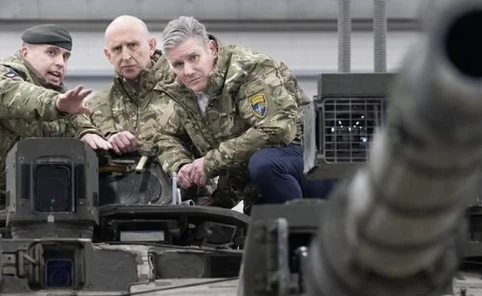
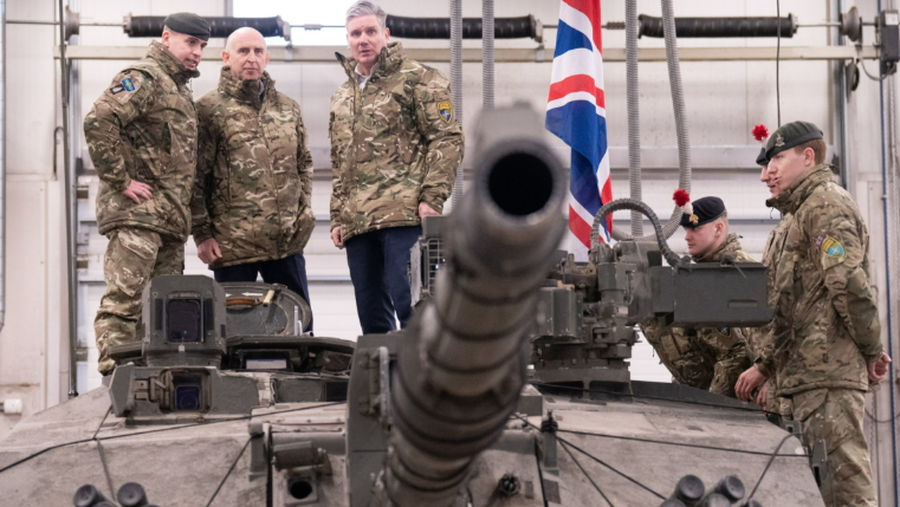
Archer's new artillery system, the delayed introduction of Ajax and Challenger 3 tanks will increase mortality... but to what extent?
Britain's nuclear power has long needed recapitalization. 15 billion pounds will be paid for improving or replacing these weapons.
Also, there will be an important modernisation of infrastructure at the Atomic Arms Station in Aldermaston, supporting more than 9,000 jobs in Berkeley.
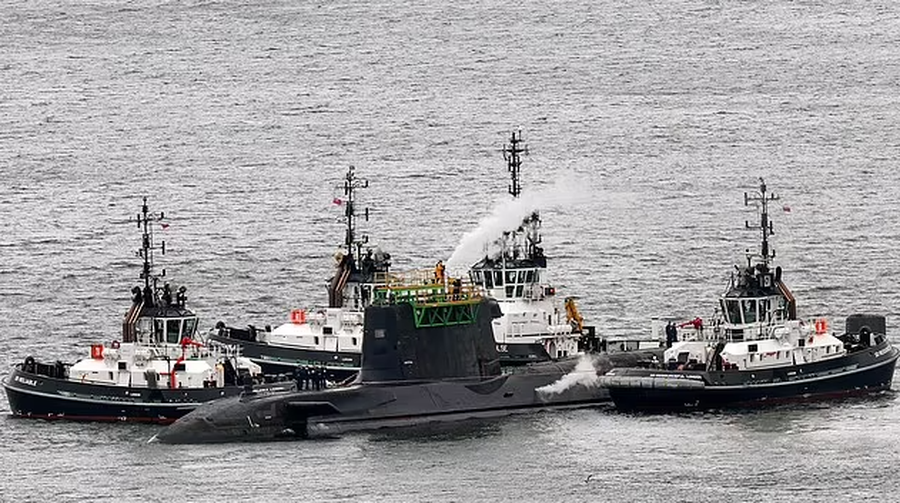
The promise still uncounted to develop up to 12 new offensive submarines has been welcomed by military observers, but the first one is not expected to enter the service before the late 1920 ' s.
Submarines to Support Security Coalition AUCUS between the United Kingdom, Australia, and the United States will be used to protect the Pacific from Chinese aggression.
Over the coming decades, ships will replace the current fleet of Astute-class Royal Navy. They will be built at key locations like BAE in Barroa-in-Fourness.
The SDR proposes at least six factories that produce ammunition, such as explosives and pressure materials for weapons.
The SDR recommends creating a production capacity “always active” in the United Kingdom, allowing production to grow rapidly if necessary.
Britain's military depots are empty after Ukraine received 5 billion pounds of weapons and ammunition since the beginning of the conflict in 2022. The programme will create more than 1,000 qualified jobs, according to the SDR.
4 billion pound expansion of drone force
The government unveiled a 4 billion-pound investment package for fears and autonomous systems. Drons are dominaters of the conflict in Ukraine and Russia, following a bold Ukrainian attack on Russian airspaces in Siberia just a few days ago.
They offer proven mortality at minimum financial cost and would save British troops' lives because they are not obliged to engage with the enemy in close proximity.
Low-cost timbers may be effective against military systems “inherited from” worth billions of pounds and are needed to protect and reinforce the pilotised military systems of the United Kingdom, such as aircraft, helicopters and armoured vehicles.
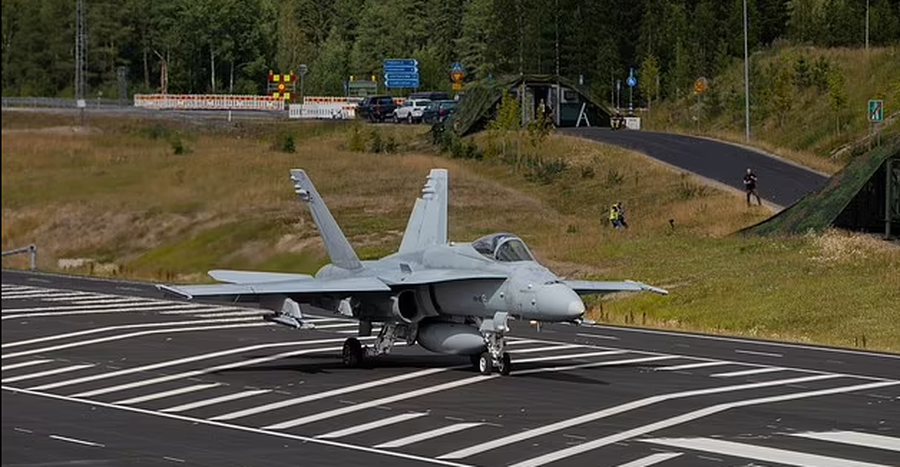
Britain is considering the possibility of a return of nuclear weapons released in co-operation with the United States. American F-35A Lighting aircraft II is capable of carrying gravitational nuclear tactical bombs.
The proposal marks the most important change in the United Kingdom nuclear position since the Cold War. Currently, this country's nuclear preemptive powers are maintained by the Royal Navy submarines.
Nuclear weapons released by air would carry a much smaller load. The lower-productive B61s are already integrated into American aircraft stationed in continental Europe and can be brought to Britain.
Also, at least 7,000 long-range weapons of action will be produced to refill United Kingdom military depots and prepare for a prolonged conflict against an enemy like Russia.
The chiefs of defence will work with the Department of Education to develop the understanding of Armed Forces among young people in schools through a two-year series of public events throughout the United Kingdom, explaining current threats and future trends.
Community-based schools and cadre forces will also be expanded, with an ambition of 30% growth by 2030, with the aim of having the United Kingdom having 250,000 cadres, many of which will go to join the armed forces.
To meet the challenge of involvement in a long conflict, the report identified the need to increase the number of reserveists. These part-time personnel, many of whom are former regular soldiers with operational experience, would join full-time troops on the front line.
The United Kingdom has about 25,000 army militias, 3,500 royal Navy and Royal Navy backups and 3,200 Royal Air Force reserve (RAF). /Periscope/