8 hours ago
Transparency International voices concern over agreement between Montenegro, Emirates
Periskopi(a year ago)
(a year ago)The international organisation Transparency International has expressed deep concern over the agreement between Montenegro and the United Arab Emirates dealing with co-operation in the field of tourism and investment in the real estate sector. “Nets of this agreement cause serious problems that could jeopardise Montenegro's membership process [...]
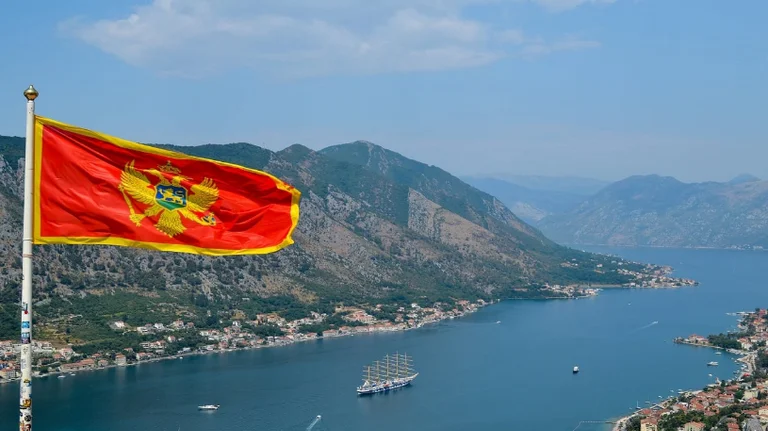
The international organisation Transparency International has expressed deep concern over the agreement between Montenegro and the United Arab Emirates dealing with co-operation in the field of tourism and investment in the real estate sector.
“The provisions of this agreement cause serious problems that could jeopardise Montenegro's membership process in the European Union, separately regarding the Public Procuration chapter”, Transparency International's European branch said through a statement.
Montenegro's government plans to close all negotiating chapters by the end of next year and join the EU in 2028. Currently, less than 20 percent of chapters have been closed.
The government in Podgorica expects to close several chapters by the end of June, including that of public procurement.
Transparency International's warning comes a day before the Parliament hearing in Montenegro, where MPs are expected to decide once again on the agreement between the two states.
Transparency International called on MPs to review the text of the agreements and ensure that all international obligations “are harmonised with Montenegro's constitutional framework and do not jeopardise the state's obligations against the EU”.
In late April, Montenegrin President Jakov Milatovic returned for review to Parliament agreement, arguing it is in conflict with state laws and constitutions.
The deal, envisioning the investment of tens of billions of euros in Montenegro, was signed in late March by Prime Minister Milojko Spajic and Emirates officials.
The agreement envisions that investors from the Middle East state are not subject to Montenegro's laws in terms of public procurement, tenders and protection of competition.
Transparency International stressed that public procurement is an extremely sensitive area to corruption.
The lack of transparency and anti-corruption mechanisms in the deal increases this risk. By allowing exemptions from standard procurement procedures, the agreement provides opportunities for favouring and misuse of public funds”.
This organisation called on the Government to review the text of the agreement and adjust it to standards in terms of transparency, corruption and protection of competition.
The organisation also said public consultations should be held on this issue and called on the European Commission to monitor closely the implementation of the final agreement and the impact it will have and make sure that Montenegro's path towards the EU is not jeopardised. / REL/Periscopi/