8 hours ago
How could new US sanctions toward Russia appear?
Periskopi(a year ago)
(a year ago)So far, Russia has resisted Western calls for a ceasefire for its war in Ukraine. And so far, American President Donald Trump has resisted calls from Kiev and European states to impose additional Moscow sanctions in response. Trump has threatened with using <x0-destructive measures” against Russia if it [...]
So far, Russia has resisted Western calls for a ceasefire for its war in Ukraine. And so far, American President Donald Trump has resisted calls from Kiev and European states to impose additional Moscow sanctions in response.
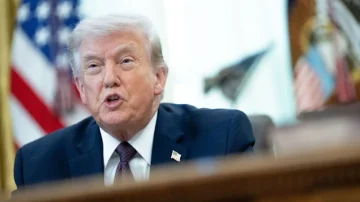
Trump has threatened with the use of the <x0 destructive” measures against Russia if he feels it's the right time. But, he has consistently declared that this time has not yet come, voicing concern that imposing new sanctions could undermine his peace effort and exacerbate President Vladimir Putin's stance.
The fact that I think I'm close to reaching a” agreement, he told reporters at the White House on May 28th when he was asked what is stopping him from striking Moscow with new sanctions. “I don't want to screw this up by imposing sanctions. You should know when to use [sanctions]”.
When and if this time comes, how could new US measures appear?
There's been a lot of talk about politics they can take, but at this point it's not clear what that plan will be”, Free Europe Radio, Rachel Ziemba, sanctions expert at the Center for New American Security, the Washington-based institute.
Another round of sanctions would come at an inappropriate moment for Moscow, with the Russian economy slowing significantly due to the decline in oil prices and extremely high interest rates. According to the warning made earlier this month by the consulting company Capital Economics, based in London, Russia may be on the verge of a difficult “outlet” a term used to describe a serious recession.
Trump has not described in detail any possible measure. At the moment, the main focus of discussions on possible new US sanctions is a two-party bill led by senators Lindsey Graham (Republisn from South Carolina) and Richard Blumenthal (democrat from Connecticut).
Russia's 2025 sanctions bill would impose primary sanctions on Russian banks and other entities supporting Moscow's war in Ukraine, while using secondary sanctions to punish states, companies and individuals worldwide doing business with these sanctioned entities.
The bill also envisions setting tariffs at least 500 per cent on imports from any country that “consciously sells, supplies, transfers or buys oil, uranium, natural gas, oil products or gasoline products originating from the Russian Federation”, the text of the bill says.
China, India and Turkey are among the biggest buyers of Russian energy exports.
“
Senators have declared that the bill aims to hold China's “responsible for supporting Putin's war machine by buying Russian free oil from the shadow fleet” ) hundreds of old, often unclearly owned vessels Moscow uses to avoid Western sanctions on its lucrative product. Oil exports make up about a third of Russia's federal budget revenues.
Determining primary and secondary sanctions against Russian banks would be a major step towards damaging Russia's economy, said sanctions expert Rachel Ziemba.
While primary sanctions would ban US entities from conducting transactions with Russian banks, secondary sanctions would punish foreign financial institutions doing business with Russian banks, excluding them from access to the US dollar and the US financial system. Chinese financial institutions are among the foreign firms that still co-operate with Russian banks.
However, Ziemba said the bill could be eased during reviews on US Congress committees. She also said the tariffs to third countries are not currently appropriate, given the harsh response the Trump administration has received following the April announcement of the introduction of broad and global tariffs.
Zimba said the two-party bill likely has more symbolic goal, respectively, to show US commitment to Putin. More than 80 out of 100 senators have sponsored the bill, showing great support in the Senate for actions against Russian aggression.
Also, the bill could aim for some of the existing sanctions to be transformed into law. Some of the sanctions involving this bill are already imposed by Trump's predecessor, Joe Biden.
The immediate effect [of this bill] may not be too great, but it will probably have greater impact on the long term, making it more difficult for the Trump administration or any other administration to lift sanctions in the future”, Ziemba said, reports REL, broadcast Periscope
Trump has not indicated yet whether he will support this bill. In response to questions posed about this initiative, White House spokeswoman Caroline Leavett said Trump “has been clear that she wants to negotiate a peace agreement” and “cleverly kept all options” open, The New York Times reported, citing a statement.
While Trump's critics claim he is reluctant to impose new financial penalties on Russia due to its high assessment of Putin's report with Rachel Ziemba said there are concerns that go beyond US-Russia reports and war in Ukraine.
“In the Trump administration, there is the belief that excessive use of financial sanctions could harm the dollar's role in global trade and encourage states to create avoidive structures that could harm US interests and security”, it said.
An example of this: the price of ceiling for oil. Set up by the US and the European Union in 2022 to limit Russia's revenue for the war in Ukraine and to sustain the world energy markets, this decision has been undermined by the shadowed “float” of ships carrying Russian oil, in areas not affected by Western decisions.
To punish Russia over the failure of peace talks, the G7 has proposed reducing the price of ceiling for oil from $60 to $50 per barrel. The Financial Times reported this week that the Trump administration blocked this proposal.
According to Rachel Ziemba, this may be an indication of Trump's preference not to impose new sanctions on Russia at the moment, but it is also possible that the American president does not like the ceiling price because it benefits US rivals China and India.
She also added that it does not make much sense for the G7 to lower the ceiling price if group members do not expand sanctions against “the shadow float”.
“Only wish”
Acceleration of sanctions on the Russian oil industry, including “floats into the shadow”, can give “a very tangible blow to Putin” if he delays peace negotiations, said Leon Aron, senior associate at the American Enterprise Institute, headquartered in Washington, in an interview for Radio Free Europe given earlier this month.
This could push it, at least, seriously examine peace”, he said.
Meanwhile, Newt Gingrich, Republican and former Speaker of the House of Representatives in 1995-99, said the Trump administration should not focus solely on economic sanctions. He called for the US to increase “dramatically” the quality and quantum of military aid to Ukraine.
“Putin will stop only if there is no other solution. Any other strategy, based on desire, will prolong the war and cost more innocent lives”, Gingrich wrote on X.
Steps Trump can take to pressure Putin, if he takes any steps, are expected to become clear in June.
We'll figure out whether you're cheating on us or not, and if that's the case, then we'll react a little differently”, he told reporters at the White House on May 28th. However, it will take about a week and a half to two weeks time”. /Periscope