3 minutes ago
New German government urges Kosovo, Serbia implementing Ohrid Agreement
Periskopi(a year ago)
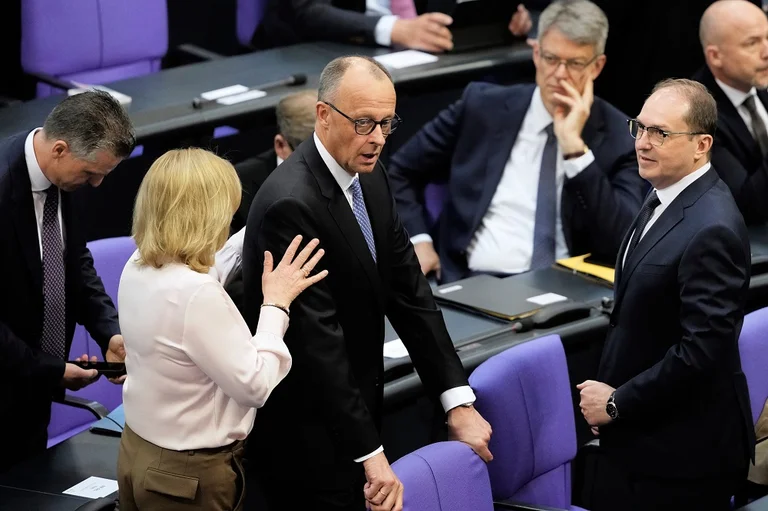
(a year ago)Elections held on February 23rd in Germany have produced new institutions. The Federal government will be led by 69-year-old Chancellor Friedrich Merz, while diplomacy has been entrusted to German political veteran Johann Wadelephul. The security of the Western Balkan region and the process of normalising reports between Kosovo and Serbia as usual, [...]
This is confirmed by the fact that a few weeks after the creation of the new government, the new European Union's emission to Kosovo-Serbia dialogue, Danish Peter Sorensen, who met with German Foreign Affairs Secretary Gezras von Geyer, and Chancellor Merz's foreign policy adviser, Gunter Sautter.
Regarding this visit to Berlin, Sorensen's Ministry of Foreign Affairs has spoken.
Without giving details about confidential conversations that were held at meetings that Sorensen had, Germany's MPJ, which currently has a new leader, has confirmed and continues to support the legacy left by former scientist Scholz over the process of normalising dialogue between Kosovo and Serbia.
A spokesman for Germany's Ministry of Foreign Affairs has said that official Berlin supports Emissar Sorensen in his work and that it calls for both sides, Kosovo and Serbia to engage constructively to resolve disputes and implement the Ohrid Agreement.
“Bashka with our partners, we are committed to continuing and intensifying dialogue. EU facilitated dialogue is the only stable way for long-term peace and stability in the region. We fully support EU Special Emissar Peter Sorensen's efforts, and continue to call on both sides to engage constructively in talks to resolve differences. We call on both sides to implement the Ohrid Agreement and to engage constructively”, a German MPJ spokesman has told Gazette Express.
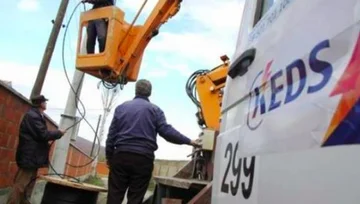
From Berlin they have remembered the benefits that have resulted from talks, including the issue of license plates and electricity work in northern Kosovo.
“Dialog has brought progress on a series of controversial issues in recent years, for example, in the energy dispute over power supply to the north or the recognition of vehicle license plates. We are also pushing for pragmatic solutions and increased regional co-operation in the Berlin Process, which will positively influence Kosovo and Serbia in the region”, it has ended.
Danish Emissar Peter Sorensen has remained for an official visit to Germany on May 20, 2025. He has also held meetings in Pristina and Belgrade, within efforts to resume negotiations between Kosovo and Serbia. Although there are institutions in Serbia, political stalemate continues in Kosovo, and new institutions still remain behind elections held on February 9th.
Regarding the political blockade, there have been continued calls for compromise and the road ahead. From the German Embassy in Pristina, they have said today that important jobs await Kosovo both within the country and in the international arena.