7 hours ago
German government: Kosovo stabilises, vital importance for Germany, NATO
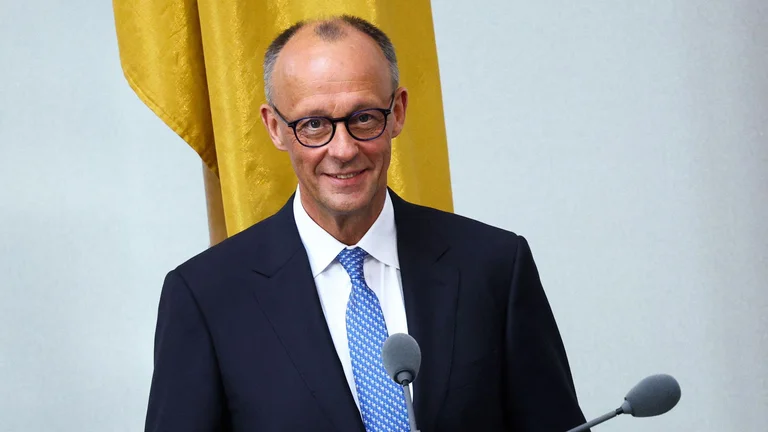
Periskopi(a year ago)
(a year ago)Just two weeks after becoming Germany's Chancellor, Friedrich Merz and his government made a decision that directly relates to Kosovo. The Berlin executive extended the German Army's participation under the NATO peacekeeping mission in Kosovo, which has been operating here for 26 years now. Since the liberation of the country and the attraction [...]
Just two weeks after becoming Germany's Chancellor, Friedrich Merz and his government made a decision that directly relates to Kosovo.
The Berlin executive extended the German Army's participation under the NATO peacekeeping mission in Kosovo, which has been operating here for 26 years now.
Since the country's liberation and the withdrawal of Serbian forces on June 14, 1999, KFOR holds a peacekeeping mandate and is now the third security responsibility.
German Government spokesman Stefan Cornelius, for Klan Kosova has said that a stable and peaceful Kosovo is of essential importance to Germany, NATO and all of Europe.
“Even here the German contribution remains unchanged; As with the personnel we have at the base of KFOR, it is an element of national support -- where there is a company on the mission, as well as the manager's position in the NATO Liaison and Counseling Team”, Cornelius told Info Magazine in the Klan KosovoCannot pass a video Periscope.
The government's decision now must be approved by the German Parliament, Bundestag, while for the historic burden German participation in KFOR, the spokesman gave strong evidence.
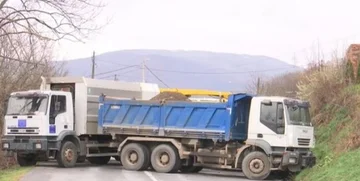
From 1999, our Bundeswehr Army is actively involved in the KFOR mission, for stabilising even peace security in Kosovo. The security situation in northern Kosovo, despite continuing political tensions, has recently stabilised. Right now, short-term deterioration is possible. It is therefore important that KFOR further contribute to improving the security situation in Kosovo and the Western Balkans”, he said.
West of the Balkans, the German republic is taking on a key military role in other parts of Europe.
This week Chancellor Merz, along with Defence Minister Boris Pistorius, remained in Lithuania, where 5,000 German soldiers will be deployed at the borders of this state with Russia and Belarus.
This will be, as Germany's top officials said, after Kosovo, the second major defeat of this country's troops in another country since the end of World War II.
And with the location of this brigade on the eastern NATO wing, they claim every inch of the Alliance's land is protected.
Merz himself said the time has ended when someone in Germany had illusions about Vladimir Putin's regime, which has been attacking its neighbour, Ukraine for three years now. /Periscope/