7 hours ago
Expensive flow “ditron” rising prices in gastronomial and ovens citizens feel hit economically
Periskopi(a year ago)
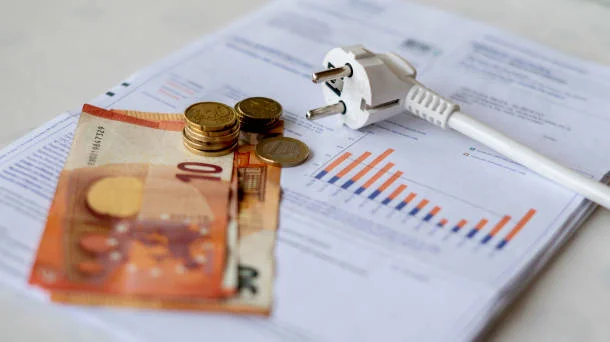
(a year ago)The power supply of 16.1 per cent from the ZERE, despite widespread protests and objections, has affected price change, which has become a heavy burden on businesses and citizens. As a result of rising electricity prices, many local gastronomies have begun to increase prices of products and services [...]
As a result of the rising price of electricity, many local gastronomy have begun to increase the prices of their products and services. Owners say high costs for the current are directly affecting operating costs, so price hikes have become inevitable.
Ragip Milaku from the gastronomy association says that rising prices are the result of increased costs for food items, labour power and other factors.
He stresses that a collective price increase has not occurred in the gastronomy sector, though any business may have increased prices for specific reasons.
As representative of the Gastronomous Association, he claims there has been no deal for joint price hikes.
“Yes, of course, price increases are due to the rising costs of many food items and the increasing cost of the workforce and many other details that no business has the same. Actually, as far as gastronomics are concerned, I don't have any information that's been raised collectively, someone can raise prices because of location, rent or because of individual circumstances. As a group, I heard there were concerns. I don't have any information that the prices are agreed on. I even in the quality of the Gastronomia Association want to inform you that this has never happened and that it never happened because we fight it more than anyone else. While in my quality like the business I operate at three points, three gastronomy locals, at all three points during 2025 I have no change of prices, the coffee in my establishments is 1 euro, 1 euro was last year”, Milaku said.
Naser Lani from the gastronomy sector says that the rise in the price of a kilogram of coffee around 10% and the price of electricity costing them has forced them to raise the price of products. According to him, businesses have had no other space because of these high costs.
“Taking into account the increase in other distributors' price, is not only in our locale, but almost all of Pristina has increased prices given the expresso, machiatos, American, those that have normally grown. Because earlier the cup of coffee has been cheaper now has grown a lot, I can say it's up to a hundred pounds, which is why even the energy that's grown too much has left us no other space. That's why we should have raised the price of coffee, that's why it's a little more expensive”, Lani said.
Jakup Baca, a citizen, expresses concern about the rising prices, not just bread, but all products. He says 100 euros now are worth 55 euros. He says prices “have flown”, while pensioners and low incomes are facing major difficulties to survive.
The price is amazing not only at the bread, but in each article, now 100 euros are no longer 100 euros, but is 55 euros. Look, it raised 20 euros, 20 euros not even 2.5 euros in growth, that within 7 years we haven't had an increase... prices have flown, so, woe to those who don't have, that there's one with 120 euros, 16.1 percent have increased the current, that bread has been expensive from 50 to 60 cents<1>, he said.
Another citizen, Mirsad Krasniqi, while stressing that the state must take measures.
“The state must immediately take measures, it is not fair to raise prices. He's been talking a lot about the current rising... I urgently demand that the state take action, because it doesn't do”, he said.
Prices at gastronom have also been raised in several cities in the country, respectively, in Drenas, where coffee prices have risen for 20 cents. In addition, there is an increase of 500 grams [500 g], which has increased by 80 cents.
Contacted suppliers from Kosovo Press behind the camera say it has come because of the expensive electricity, which has significantly affected their expenses, forcing them to increase the prices of products to cover expenses.