7 hours ago
Dialogue of European Integration, What Could Be Expected by Germany's New Chief Diplomat
Periskopi(a year ago)
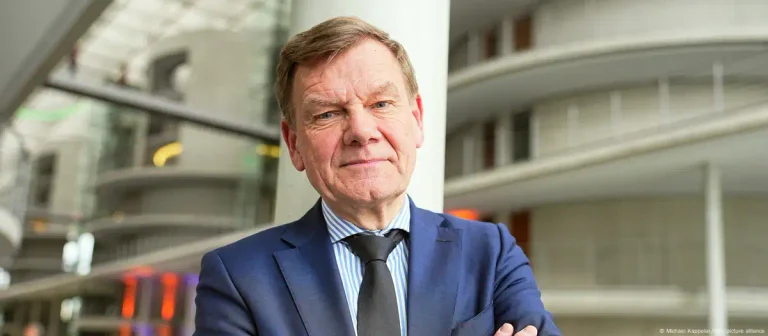
(a year ago)With Johann Wadefhul at the head of the foreign ministry, the Western Balkans can expect clear support for European integration, but also strong demands for real reforms, writes DW. With Dr. Johann David Wadefhul as foreign minister, Germany turns into a more pragmatic diplomacy. Johann David Wadehul, born in [...]
With Dr. Johann David Wadefhul as foreign minister, Germany turns into a more pragmatic diplomacy. Johann David Waephul, born in 1963 in Husum in northern Germany, is a graduate of the University of Kiel and a reserve major in Bundeswehr. CDU member since 1982, he has built a long political career at the Schleswig-Holstein Landestain, and since 2009, he has been deputy in Bundestag.
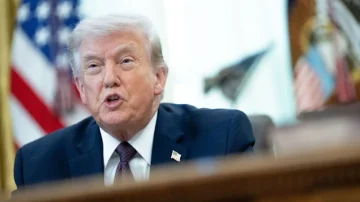
After the 2017 elections, Johann Wadefhul was appointed deputy chairman of the parliamentary group CDU/ CSU for defence, foreign policy and security issues. As deputy chairman of the NATO Parliamentary Assembly, he is committed to closer European co-operation in the area of security and the unconditional support of Ukraine. Regarding transatlantic relations and the amended US policy under President Donald Trump, Wadeful has said: “We should keep our hand extended, be ready for negotiations, but we must make sure that we can protect ourselves if the negotiations do not work well. ”
The most discreet and pragmatic diplomacy
“CSU and one of its closest associates until 2021.
An example of this approach was seen in 2022, when Wadephul openly criticised Chancellor Olaf Scholz for his first official visit to the Balkans. Scholz publicly demanded in Belgrade that Serbia recognise Kosovo's independence, a statement that Wadeephul called <x0amatoresque”, since, according to him, such demands must be carefully addressed to prevent dialogue from blocking. “This is desirable and everybody knows it, but recognition should come at the end of a process, while now this statement stated in public so amateurly charges the whole process, which has become difficult for Serbia”, said Wadephul at the time in Bundestag. He also criticised the fact that the German Chancellor first went to Pristina and then to Belgrade.
Kolle Gjona, Albania's Council Honor in Hamburg and the former Bundestag candidates from Schleswig-Holstein's CDU, have worked closely with Wadelephul at the party structures of this country.
“Wadephul has been the best foreign policy expert on CDU/ CSU and supporter of strengthening Europe's role in global politics. ”
The breast, which has been on the land list since 2017 as the candidate for Bundestag, believes that Wadephul “will have a major impact on Kosovo- Serbia and will be an extraordinary supporter on Albania's road towards EU membership.”
For years, Wadehul has led the Labour Group for the Western Balkans to Bundestag, a cross-sectoral platform that brought together specialised deputies to pursue developments in the region. Gunther Krichbaum, who has now been appointed Secretary of State for European Affairs in the Ministry of Foreign Affairs, also participated in the group, which so far has Anna Lührmann, from the Gulf. With this new facility, the Western Balkans are expected to remain a priority of German diplomacy, but always linked to meeting standards and reforms.
EU Integration, but on Credits
Both Wadefhul and Krichbaum are figures that have clearly been expressed both for internal politics in Albania without hesitation talking about the political internal conflicts of the sister party, Albania's Democratic Party. So, for example, just a few months ago, Krichbaum condemned the DP's violent protests in Tirana and criticised its leader, Sali Berisha, stressing that “a healthy democracy needs a strong and peaceful opposition that conforms to European values.” He also suggested that the Democratic Party elect a new chairman to restore its pro-European credibility and orientation.
Wadefhul and Krichbaum are the main architects of the additional conditions Bundestag decided in 2020 to start Albania's EU membership negotiations.
Wadephul told DW at the time: We set some preconditions that cost me a lot of work and energy, and if they are not fulfilled, then I will find it difficult to convince my parliamentary group colleagues to accompany the process positively. ”
This approach to conditions is expected to be followed in the future.
“Legal reforms, fighting corruption and strengthening institutions, especially in Albania, will remain the key criteria for the European integration process,” says Falanski.
Mijatovic: Keeping Free From Imminent Regimes
One particular feature accompanying the appointment of Wadeuphul as foreign minister: for the first time in nearly 60 years, the German Foreign Ministry is back in the hands of the CDU. Historically, this post was usually left to coalition partners. Now, both Chancellorship and the Foreign Ministry are headed by the same party, CDU.
Opposition politician Boris Mijatovic, Balkan expert in the ranks of the party “Green” and former foreign minister Annalena Baerbock, sees a problem here. He warns that the weight and independence of German foreign policy could be weakened, as future Chancellor Friedrich Merz is expected to take a very active role in international affairs and focus more competencies on his office.
By Wadefhul as foreign minister, Mijatovovic expects to commit to the rule of law, democracy and a clear European perspective of Western Balkan countries. “German must stay open on the side of democratic forces in the region and make no way for authoritarian regimes,” he told Deutsche Welle./Periscopi/