 7 hours ago
ALAMANTE: Media freedom dramatically seized, Kosovo marks its biggest decline in the past 15 years
Periskopi(a year ago)
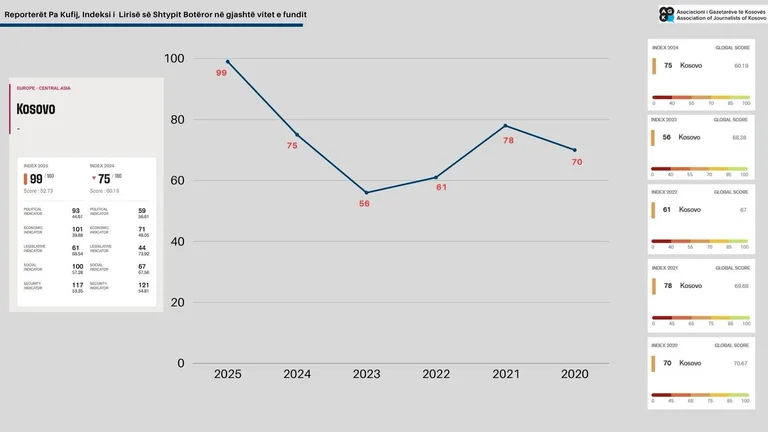
(a year ago)Kosovo has marked the biggest decline in the last 15 years in the organisation's annual press freedom index Reporters Without Borders, ranking 99th in the world from 180 states, Periscopi broadcasts. This is the second consecutive year that Kosovo marks decline, as in 2024 it fell from [...]
This is the second consecutive year that Kosovo marks decline, as it fell from 56th to 75th in 2024.
In the report published by Reporters Without Borders on May 2nd, on the eve of World Press Freedom Day, Kosovo ranks the worst in the Western Balkans area and the European Union.
The Association of Kosovo Journalists (AGK) said it is <x1-aligned with the new, drastic drop” of Kosovo in the ranking of the annual press freedom index.
“AGK has been deeply concerned with this ranking, the lowest in a decade since 2015. However, he sees it as reflecting a continuing hostile policy of the last two years led by the government of the political party, Vetevendosje”, it was said in the AGK's reaction.
This association invited institutional actors and civil society to work together to improve media freedom in Kosovo.
Reporters Without Borders' report found that in Kosovo, Slovakia, Bosnia and Herzegovina and Serbia, the media are facing existential crisis due to budgetary cuts and political control.
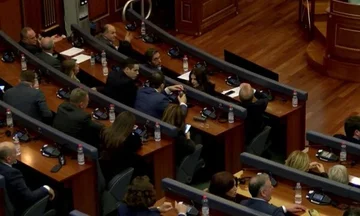
Last summer, despite major criticism, Kosovo's Assembly approved one Law for Independent Media Commission (KPM), which, among other things, provided internet media licensing, monitoring them and fines of up to 400,000 euros.
Constitutional abolition Law for KPM
This week, Kosovo's Constitutional Court overturned this law, after finding that some provisions of the law were not in line with the country's Constitution.
As for the KPM law already abolished by Reporters Without Borders, he was described as countering that “risks further hampering independence” KAM's.
Meanwhile, early this year, the ruling party, Vetevendosje Movement, was criticised for boycotting the media.
In January, international and local non-governmental organisations urged Vetevendosje to give up the boycott of certain media.
Vetevendosje had said it was not boycotting the media, but “ruled out” three specific channels and that such a decision “did not affect Kosovo's rich and varied media landscape”.
She did not mention names, but in previous reactions by media organisations it was said to refer to some of the major televisions in the country, such as Klan Kosova, Dukajni TV and T7.
“Before general elections, some private media were boycotted by the Government, which also threatened the public broadcaster's independence, RTK. Serbian-language media, which are under pressure from Serbian political forces, have complained of discrimination in terms of access to public information, separately in their own language”, told Reporters Without Borders' report.
Why is LVV boycotting some media?
During 2024 alone, the Kosovo Journalists' Association recorded 24 cases of attacks and threats against journalists. In 2023, the number was higher -- 53 cases of attacks or threats against journalists.
Reporters Without Borders said journalists are often the target of false insults and news on social networks. They, according to the report, are falsely charged with co-operation with the enemy, rhetoric used by political and religious groups”.
In recent years, many journalists have been subject to threats and physical attacks by criminal networks and also due to political tensions between Pristina and Belgrade. Some journalists have been wiretaps. Although the attacks are investigated by police and prosecutors, they rarely result in prosecution”, the report said.
Meanwhile, Albania ranks 80th, marking up compared to 2024, when it was rated 99th.
The report found that the media landscape in Albania has been described by conflicts of interest in Greece.
Of the other Balkan countries, Montenegro ranks best in 37th place, then Northern Macedonia is 42nd, Bosnia and Herzegovina 86th and Serbia 96th.
The report also stresses that independent media in Europe and Central Asia are facing an unprecedented economic crisis, exacerbated by the immediate ban on American aid and the growing impact of Russian propaganda.
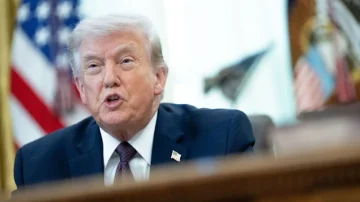
The report mentions, among other things, American President Donald Trump's administration efforts to suspend Radio Free Europe's funding.
“Budget procurements during the Trump administration especially Fund suspension for Radio Free Europe and the American Agency for International Development [ U n AID] They have severely weakened an already fragile sector, especially in countries facing authoritarian regimes, corruption and war”, the report said.