9 hours ago
Low prices, high rates: How does the U.S.-Kine trade market affect the Kosovo market?
Periskopi(a year ago)
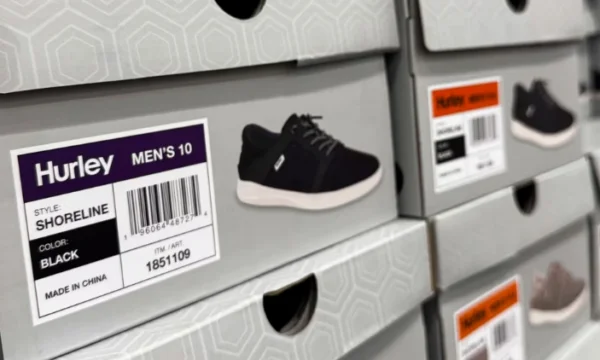
(a year ago)Smart phones, computers, tools, clothing... These are just some of the products originating from China that occupy an important place in the Kosovo market. Finally, the United States imposed tariffs on goods imported by most of the world's countries. China's goods were set a mass fee of 104 for [...]
Smart phones, computers, tools, clothing...
These are just some of the products originating from China that occupy an important place in the Kosovo market.
Finally, the United States imposed tariffs on goods imported by most of the world's countries. China's goods were charged with a mass fee of 104 percent.
While economics professor Medi Bektash says this trade struggle between the US and China could force Kosovo companies to replace Chinese products with other products, the owner of the Elkos Group, Ramiz Kelmendi, says he will continue importing from China, even waiting for lower prices, reports REL broadcast. Periscope.
How important are goods from China for the market in Kosovo?
Although China continues not to recognise Kosovo's independence, this has not hampered economic and trade co-operation between the two countries.
Official data shows China is among the main importers in the Kosovo market, ranking third in third place for the volume of goods, behind Germany and Turkey.
During the past year alone, the total import value of 6.3 billion euros, according to Kosovo Customs, over 748m euros, or over 12 percent, has been Chinese products.
On the other hand, Kosovo exports to China have been small, worth 426 thousand euros, or 0.1 percent of the total export value, which is about one billion euros.
Exported products include ore, chromium concentrations, mowers, and dresses.
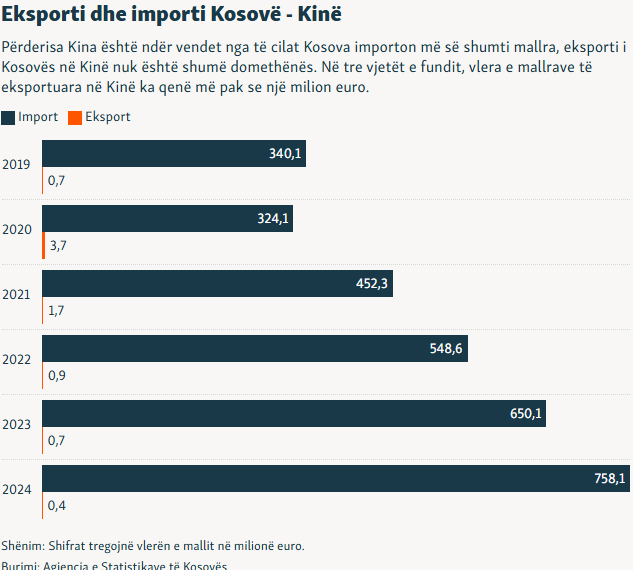
Among the importing companies is Elkos Group, in which the chain of supermarkets, ETC, works.
Ramiz Kelmendi, owner of this trade chain, tells Free Europe Radio that his company annually buys products of up to 12m euros from China.
According to him, the reason for co-operation is that many products are produced only in China, and because of the free workforce there, the price is more favourable for the Kosovo market.
If they were produced in Europe or America, they would certainly be our priorities. But if someone from the European Union imports from China, assembles products and exports them as its own, it means we're paying the assembly. So it's good for us to buy them directly in China, and our workers here make assembly, so we also open up new jobs and buy them more freely”, he says.
How will US tariffs affect Kosovo market in China?
On April 2nd, US President Donald Trump imposed 34 per cent tariffs on Chinese goods, as part of a broader decision, setting fees on most business partners. Kosovo has a base fee of 10 per cent.
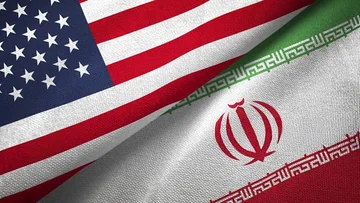
Two days later, on April 4th, China retaliated with similar tariffs against American goods. Four days later, the US announced additional tariffs to China, reaching 104 percent and urging China to withdraw its measures. On April 9th, when U.S. tariffs to China and other countries began to be implemented, Beijing announced the increase in the fee on American goods from 34 to 84 percent.
These developments mark an escalation of trade warfare between the two largest economies in the world. This clash will have consequences not only for the US and China, but also for the entire global market, including Kosovo, says University of Pristina economics professor Majid Bektashi.
Given that Kosovo continues to be dependent on imported goods, he says, the country will find it difficult to avoid the consequences of these tariffs.
Bektash says the new tariffs will cause a new wave of inflation, which will affect not only the US but Europe as well.
“From the implementation of tariffs, the burden will fall on consumers. Consumers around the world, including those in Kosovo, will buy products up to 40 per cent more expensive than currently pay”, he tells Radio Free Europe.
To avoid these awards, Bektas says Kosovo companies should be directed towards other European Union markets.
“In this context, alternative markets will be found more easily and will offer higher quality products, but also at higher prices. The biggest losers from these fees will be China, as well as some rapidly developing Asian states, such as India and Vietnam”, he points out.
Ramiz Kelmendi, of Elkos Group, who previously had the post of deputy prime minister in the Government of Kosovo, believes his company will continue to import from China even after the US sets of tariffs.
He believes that new tariffs on China will affect lowering product prices.
“After China exports a lot to the US market, following the impact of the fee will reduce the amount of products for this market and products will be directed to other markets. China will not stop production, but competition will increase, and this will bring price reduction to other markets”, Kelmendi says.
Unlike other Western Balkan countries, China has failed to achieve capital investments in Kosovo. Co-operation between the two countries remains at the level of import and export of goods.
Diplomatic relations between Kosovo and China
China does not recognise Kosovo's independence, but respects, as it says, Serbia's territorial integrity, which, with the Constitution, Kosovo still treats as part of its territory.
For this reason, the two states have no diplomatic relations, but China has a liaison office in Kosovo, operating under the Chinese Embassy in Belgrade.
If Kosovo citizens want to visit China, they should be equipped with visas, which they can search at the Liaison Office in Pristina. The visa is considered at the Chinese Embassy in Belgrade.
Similarly, Chinese citizens, in addition to those with diplomatic passports, who want to visit Kosovo must have visas and can obtain it at the embassies of Kosovo in Albania or Turkey. / REL/