8 hours ago
Police arrest activists blocking ERE's doors against electricity expensive

Periskopi(a year ago)
(a year ago)A protest against the price of electricity in Kosovo, ahead of the Energy Regulatory Office (ZRRE), which is expected to decide about a proposal to raise the electricity price in the country, has ended with the arrest of some people Wednesday morning. Anti-expensive power activists blocked ZERE offices in the neighborhood [...]
Anti-expensive power activists blocked ZERE offices in the Lakrish neighbourhood in Pristina, before being cuffed by Kosovo police, reports Radio Free Europe.
The reason for their arrest has not been disclosed, nor the number of persons arrested. Free Europe Radio has contacted the Kosovo Police, but from this institution they haven't detailed the event, it reads. Periscope.
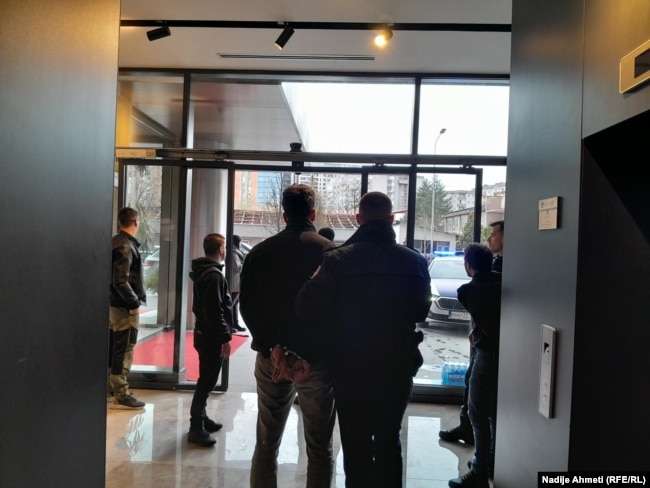
“The ZER is in the blockade. Blocking will continue until public pledge by Z HREE that it will not approve of electricity price increases by 15%. Only then can you go back to work”, said a post of page “K The EDS returns Kosovo”, ahead of the arrests.
The ZERE warned that, by April, electricity bills could increase by 15 percent.
Currently, for consumers who spend up to 800 kilowatts per hour within a month, the daily electricity price is 7.79 cents per kilowatt. In the event of expensive 15%, they would pay 8.96 cents.
The GER examines and sets electricity tariffs annually, and they are in force from April 1st to March 31st next year.
The Whether expensive electricity is expected this year on 11 April, the new tariffs are said to be in effect by April 1st or May 1st.
According to ZERE, Increase in tariffs This year it is necessary, due to the reduction in energy production, consumer growth and heavy dependence on high-priced imports.
Kosovo cannot provide the needed energy for over 1.6 million of its inhabitants only with production from the Kosovo Energy Corporation (KEK).
One of the reasons is decades of thermal power plants “Kosovo A” and “Kosovo B”.
Production also has through renewable but smaller resources.
Insufficient production allows a significant portion of the supply to be provided through expensive imports.