8 hours ago
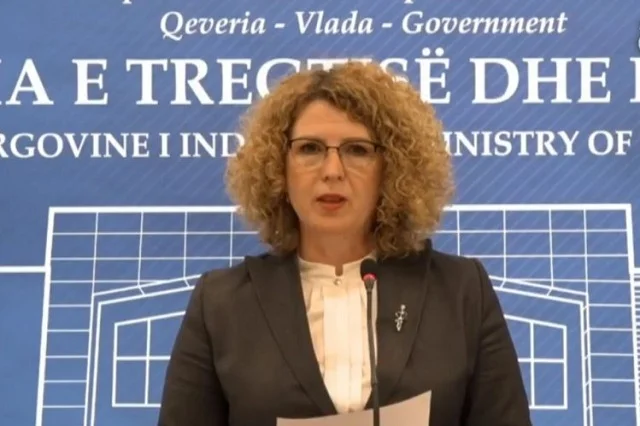
Minister and MP Roseta Hajdari's illegal decision on derivative ceiling prices
Periskopi(a year ago)
(a year ago)The decisions are taken as minister, but the law says otherwise. Roseta Hajdari, may be considered a rare case in Kosovo's legislature, is currently both minister and elected deputy. That April 4th has made a decision on the ceiling prices of oil derivatives, but on April 7th the opinion has announced through [...]
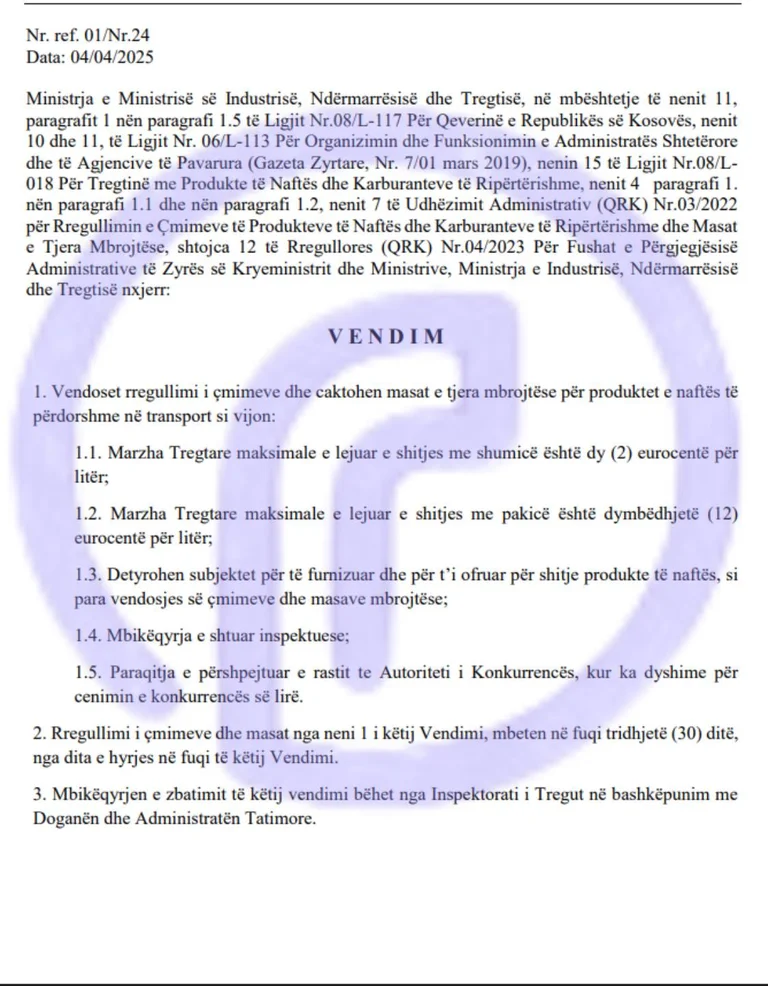
The ministry's publication has not shown which article and law the decision is based on, only it has been clarified that the margin of profit for sellers in abundance will be 2 cents per litre and for retail vendors 12 cents per litre.
Periscop has secured the decision of Minister Hajdari, who received it on April 4th called in Law No.08/L-018 For Oil Products Trade and Renewable Fuels.
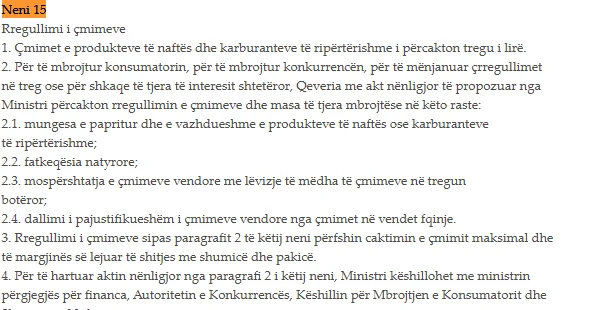
But in the article which has been called Hajdari, the government explains that” with the sublegal act proposed by the minister determines price regulation and other safeguard clauses in these cases: 2.1. The sudden and persistent lack of oil products or renewable fuels; 2.2. Natural disasters; 2.3. The failure of local prices with major price movements on the world market; 2.4. Unjustified local price gap from prices to neighbouring countries”, said in Article 15.
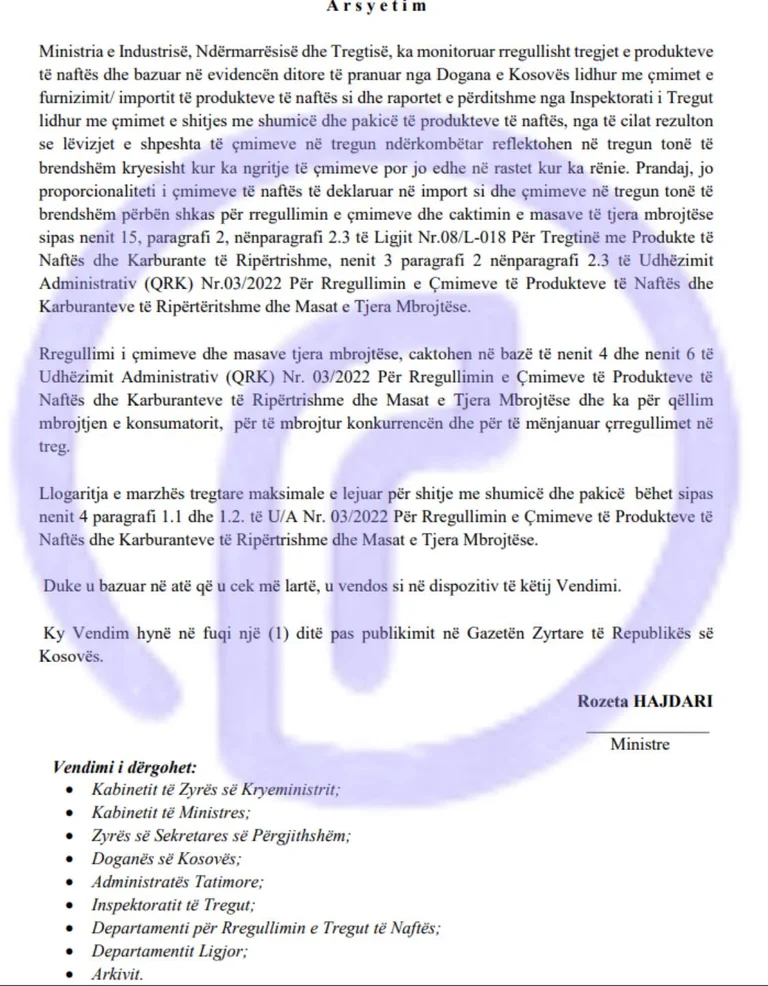
Hajdari has made the decision without proposing any legal act before and without proceeding for approval in Government. Furthermore, the decision has neither been signed nor protocold, contrary to state regulations regulating the functioning of public institutions.
Is such a decision permitted to the minister-deputette?
Launched by the Election Law, which envisions that one day before elections are officially certified by the CEC, a minister who has won the MP's mandate must resign, but Hajdari continues to perform the minister's functions and is also deputy of the Parliament.
This legal anemol explains to the lawyer, Xhevdet Smakqi, praising that Hajdari's decision has no legal basis and that decision should not be respected by economic operators.
No legal basis has that decision considers Smakqi.

The current decision by Minxtres Hajdari, except that it is contrary to Article 15 before 1 of the Law is also at the time when the minister is in office, respectively, there is no mandate after the election is certified. In my opinion, this decision is of no jurdical value and does not force operators on the market to apply it because of arbitracy and lack of legal base. In other words it negatively affects the Kosovo economy”, Smakqi says of Periscope.
According to him, the decision that is based on Article 15 of the Law in effect regulating Kosovo's oil market sector, ” this decision by the minister is arbitrary intervention in the free fuel market market and contrary to the actual state of the fuel market”.
We're looking at a general article 15 of the law as a sublaw to intervene in market disorders for reasons that have gone through this under the gears for extracting the sub-legal act that could be a UA or a decision to access Government and not the Minister of Trade”, says Smaqi.
The government, Kurti, has refused to implement the election law, by ministers who have become deputy. The opposition has urged ministers to implement the law they themselves have voted on, but that has been rejected. /Periscope/