8 hours ago
Lekaj: “The transitional government” and a “electoral package” for the new president, parliament and municipalities for overcoming stalemate
Periskopi(a year ago)
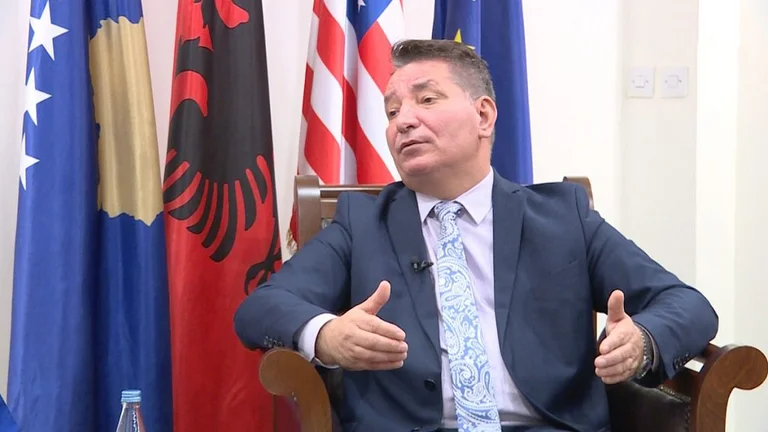
(a year ago)AAKA deputy chairman Paul Lekaj has offered a proposal on how to get out of the Assembly's non-compliance situation. It gives as an idea a <x0). Up to these “selection”, Lekaj says a transitional government can be formed. “In a way [...]
It gives as an idea a <x0).
Up to these “selection”, Lekaj says a transitional government can be formed.
So that we don't tire our citizens of confrontations and political blockades stemming from interparty differences, I propose a common and comprehensive solution: Forming a transitional government with a 6-8-month mandate, which would be tasked with managing the country until holding early elections, which would be organised at the end of November or early December. That date would coincide with the completion of the mayoral mandates, as well as a step towards approaching the country's presidential election”.
Full Posting:
Proposal to overcome current political situation
1. Honored heads of parliamentary political parties,
The political situation created after the last elections emerged complicated and potentially only to produce short-term solutions. In order not to tire our citizens of confrontations and political blockades stemming from interparty differences, I propose a common and comprehensive solution:
Forming a transitional government with a 6-8-month mandate, which would be tasked with managing the country until holding early elections, which would be organised at the end of November or early December. That date would coincide with the completion of the mayoral mandates, as well as a step towards approaching elections for the country's president.
This would be an ideal opportunity for organising a “electoral package 3 at”, where citizens with one exit to the polls would choose:
1. The new composition of the Parliament and the future government,
2. The new president of the country,
3. Mayors.
Such an approach would bring many benefits:
• Reducing budget costs,
• Time savings for citizens and institutions,
• Increasing the credibility and legitimacy of institutions.