7 hours ago
Kosovo diaspora potential untapped for diplomacy
Periskopi(a year ago)
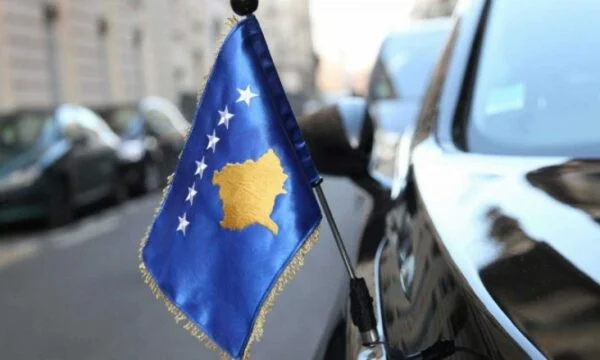
(a year ago)The Kosovo diaspora is a powerful but untapped asset in strengthening the country's international position, say connoisseurs. Once the driving force of independence efforts, today its potential remains fragmented, according to them. With an extraordinary “”, Kosovo diaspora can become a factor in strengthening the position [...]
With an extraordinary “”, the Kosovo diaspora could become a factor in strengthening the country's international position, but lacks unified cause and real co-ordination, say observers of its event.
Freedom Krasniqi, policy analyst in the Germin organisation, says <x0-politicals and strategies should come from Kosovo” and, according to him, are missing.
He agrees with former Kosovo Deputy Foreign Minister Valon Murtezaj, currently Diplomacy legalist at Management School I ESEG in Paris.
According to him, Kosovo does not properly seize its diaspora potential to open new routes for diplomacy, to the best of the country.
This does not mean there is no activity. But the diaspora, prominent individuals, various groups -- whether businesspeople, academics, culture and art people -- remain fragmented and isolated”, Murtezaj praises Radio Free Europe, Periscope.
In the last census in Kosovo, in 2024, Kosovars living in the diaspora were also included for the first time.
Of them, about 550 thousand were registered, according to data published by the Kosovo Statistics Agency.
But it is believed that the number of people of origin from Kosovo, living in diaspora, is much higher, only that they do not have Kosovo citizenship.
What was it and is the role of the diaspora in diplomacy?
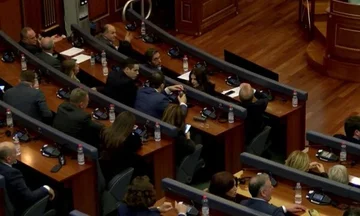
In recent years, the diaspora has played a role in dividing the seats in the Kosovo Assembly through vote.
For the last parliamentary elections, held on February 9th, an estimated 105 thousand voters from the diaspora were registered, out of whom some 80,000 others voted in diplomatic representation, the others by mail.
The main political parties, before and during the election campaign, organised several rallies with Kosovars in the diaspora, especially in Europe, seeking support for votes.
Professor Murtezaj says that, given the diaspora's great potential, the approach of Kosovo parties and institutions to it is paradoxical, because it is seen only as a source of votes.
“ [Voting] is the minimum individual can do. The engagement and co-operation would have to be far beyond that, because elections are one day in four years, while the diaspora's potential contribution is 365 days, or the rest of its”, Murtezaj says.
He estimates that the best example of the strength of the diaspora action is the period of the 1990s.
At the time, Kosovo was under the Serbian regime of Slobodan Milosevic, whose state apparatus exercised violence and left the majority of Kosovars out of work.
During that time, remittances from the diaspora were among the main sources of survival for Kosovo Albanians, who organised their parallel institutions.
Even these political movements in that period were financed mainly by the diaspora, which lobbied on the Kosovo issue elsewhere in the world.
Avni Spahiu, former Kosovo ambassador to the United States and Turkey, describes the role of the Albanian diaspora in the US as irreplaceable for the Kosovo issue during the 1990s.
He emphasises that the diaspora can play this role even today, at the time when the “lobation in Washington is at the lowest point”.
Through the diaspora, he says Kosovo could initiate reshaping “Albanian Friendship Group”, which is currently missing in the US Congress, but once consisting of congressers like: Eliot Engel, Tom Lantos, Bob Dole, and others.
Now, how much can the diaspora do? They're also Americans and have the right to seek contact with Congress, make the group a friendship. Now we need”, Spahiu says Radio Free Europe.
He adds that the Kosovo diaspora has influential individuals who can help create “Friendship Groups”, even in the parliaments of other Western countries.
During the years of Kosovo's (80s and )90s, there were many associations, clubs and other Kosovo diaspora organisations that operated mainly on the basis of voluntary engagement.
Krasniqi, from the Germin organisation, says they were the milestones not only for preserving contacts between Kosovo Albanians but also for organising financial aid for the country, as well as creating ties with the political and diplomatic channels of the countries where they lived.
According to him, such associations and organizations exist today, but they cannot be expected to do as they did in the 1990s.
The cause, which brought them together at the time, was the struggle for Kosovo's democracy and independence from the former Yugoslavia, especially Serbia, according to Krasniqi.
Then, the cause was shared and all acted with self - force, given the absence of a state that would instruct and organize. Today, such an organisation cannot be expected, because today we have a state, we have institutions”, Krasniqi tells Radio Free Europe.
According to him, it is Kosovo's institutions that need to direct the diaspora today to transform its potential into diplomatic power.
How can the diaspora become a function of diplomacy?
Nearly two weeks ago, Radio Free Europe addressed the Kosovo Ministry of Foreign Affairs and Diaspora with questions about possible co-ordination between Kosovo institutions and the diaspora, as well as its possible contribution to strengthening Kosovo's international position, but received no response.
Murtezaj, who served as Kosovo's deputy minister of foreign affairs from March 2016 to June 2017, says that one of the challenges he has conveyed and continues to forward this ministry is the lack of specific strategies for any country, taking into account different contexts in Western and other states, where Kosovars or individuals of origin from Kosovo live.
“do not apply the same behaviors and goals for each country. Kosovo's government should have unique, individual strategies for each state or regional context around the world”, Murtezaj says, expressing confidence that Kosovo institutions also lack understanding and the role of public diplomacy.
Public diplomacy goes beyond official communication government with government or embassy ambassadors. Public diplomacy affects all layers and spheres of life at a place belonging to”, Murtezaj says.
According to him, it should also be aimed at creating an area for the realisation of diplomatic ambitions between the authorities of the two states, through increased awareness, awareness and then international recognition of a state.
In this kind of diplomacy, Murtezaj says, individuals from Kosovo should be involved who present success stories and help relax interhuman, cultural, academic, institutional, sports and other relations.
And Kosovo has many such individuals and groups in the diaspora, according to Murtezaj.
To benefit from this potential contribution mine for Kosovo, an umbrella strategy is needed, which is then likely to lead these contributions to specific goals”, he points out.
Kosovo, currently, does not engage any lobbie company in the United States.
Former Ambassador Spahiu says Kosovo institutions are dealing with “excessive options” on the issue.
According to him, strengthening Kosovo's image is necessary, at the time Kosovo reports- The US has wavered as a result of some actions by the Government of Kosovo in the northern part of the country, which the US has considered uncoordinated and of poor influence in the local Serb community.
I think you can do more. We look for new forms of organization and that the diaspora are not distracted. Initiatives should start by our” diplomacy, Spahiu points out.
For Krasniqi, from the Germin organisation, the diaspora's commitment to diplomatic issues is relatively delicate, especially when it comes to contracting lobbying companies or individuals on this issue.
He explains that many individuals from the diaspora are citizens of the countries where they live, and says this would create a sensitive situation if they committed themselves to another state in this case Kosovo.
One idea, Krasniqi says it could be the creation of an institutionalised department, which would constantly deal with diaspora issues and its diplomatic commitment.
Free Europe Radio made efforts to contact some Kosovars' associations in the diaspora, both in Europe and the US, to receive their comments on Kosovo institutions' approach to the diaspora's commitment to diplomatic issues. But until the publication of this article, they did not respond.
Kosovo citizens have long accepted over 1 billion euros of remittances annually.
Kosovo Central Bank data also shows that the diaspora takes first place in terms of foreign investment in Kosovo, which is done mainly in real estate.