7 hours ago
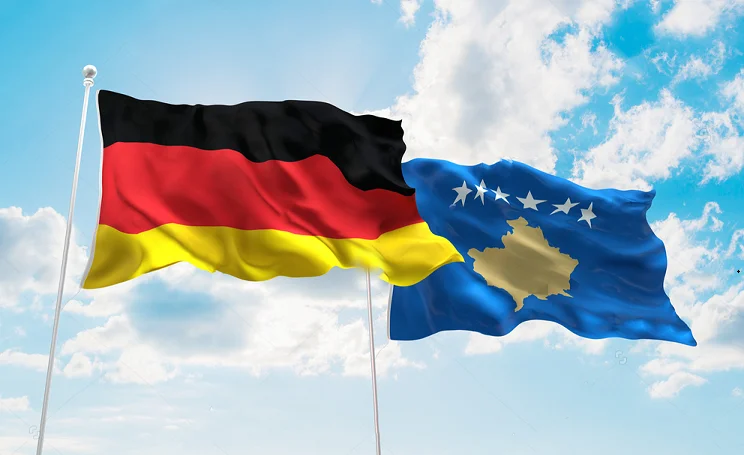
Germany closes half door for workers from Kosovo, region
Periskopi(a year ago)
(a year ago)A new agreement on forming the next government has been reached in Germany, under the direction of expected Chancellor Friedrich Merz (CDU). At the heart of this agreement are new migration policies, significant restrictions on Western Balkan rules and changes to the citizenship law. Under the ruling contract, the annual permit quota [...]
A new agreement on forming the next government has been reached in Germany, under the direction of expected Chancellor Friedrich Merz (CDU).
At the heart of this agreement are new migration policies, significant restrictions on Western Balkan rules and changes to the citizenship law.
According to the ruling contract, the annual quota for work permits for citizens of the Western Balkans will be halved by 50,000 last year, to 25,000.
This directly affects citizens from Kosovo, Albania, northern Macedonia, Bosnia and Herzegovina, Montenegro and Serbia.
Experts argue that the migration system should be based more on professional qualifications than on geographical origin.
Migration: Controls and Returns
Also, rules on obtaining German citizenship will be stiffened: in the future, it will not be taken back three years' stay, but only after five years.
The measures also include banning family unions for several categories of refugees and concluding voluntary admissions, including those from Afghanistan.
Future Chancellor Friedrich Merz described the agreement as a strong “synal for Europe”, adding that “Germanymania is on track”, that “Europe can rely on Germany”, and ) towards US President Donald Trump ♫ that Germany will fulfil its obligations in the field of defence and increase its competitiveness.
Beyond migration, the deal envisions measures to revive the German economy after three years of recession: tax cuts for enterprises, exemptions from taxing additional working hours and more flexibility for pensioners who want to work.
Meanwhile, the Western Balkans remain on Berlin's international agenda. The Berlin process will continue as a platform for supporting countries in the region on the road to the European Union. / DW/Periscopi/