7 hours ago
Why is Donald Trump hitting China in business?
Periskopi(a year ago)
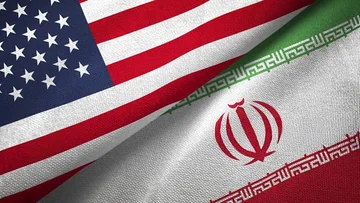
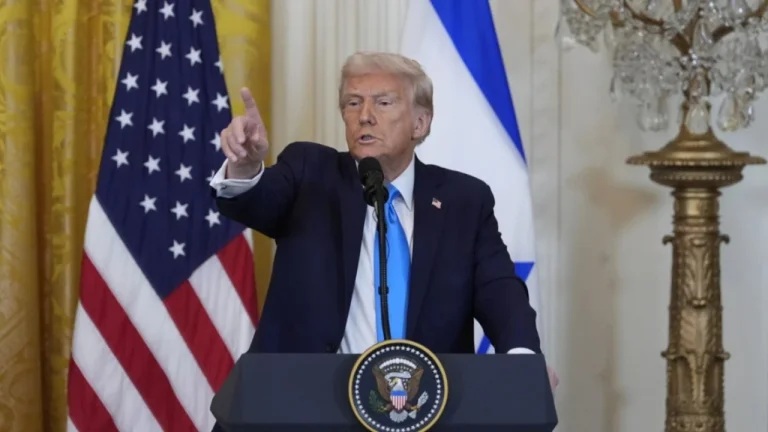
(a year ago)Donald Trump's trade struggle now seems to be taking a clear lead and it seems his main opponent is none other than China. Since Wednesday midnight, US tariffs for Chinese goods have been set to rise to 12%, in response to China's decision to impose countermass [...]
Since Wednesday's midnight, US tariffs for Chinese goods have been set to rise to 125%, in response to China's decision to impose 84% countermass on American products.
Although the U.S. has continued simultaneously with a 90-day drop in 10% of tariffs for dozens of other countries, the main objective remains clear; the <x0-second extension of the American economy from China and the reshaping of trade globalisation”. China represents nearly 14% of American imports, while supplying the market with everything based on children's economies, from iPhone to exports, a strategy that Trump is actually trying to undermine.
As reported in its analysis, the Made plan in China 2025, presented in 2015, targets global dominance in sectors such as airspace, shipbuilding and electric vehicles.
Today, China produces 60% of the world's electric cars and 80% of the batteries. For Trump, this development is not just an economic issue, it's a matter of sovereignty. Its Narrativa is that the US must repatriate its production chains and protect the domestic industry with protection measures of protection.
What's Beijing gonna do?
The big question is whether Beijing will accept the invitation to negotiations. And if you do, will she be willing to change her basic growth pattern? The odds look pretty small. The Chinese economic strategy is directly linked to state geopolitical power and the prestige of the Communist Party. Market liberalisation or lowering exports conflicts with the ideology of the “national restoration” promoted by Beijing. The American president, however, seems to require not just changes from China but a permanent protection strategy.
A New World Full of Dangers
This confrontation is not just commercial, it is existential. If China views the tariffs, not as a negotiation tool, but as a consistent strategy of economic exclusion, it could decide there is no point to negotiate. In this case, the two largest economies in the world will not co-exist simply in a global trade system.
They will try to reform it, each for its own sake in a divided world, with separate blocks of power and trust. And then the dismantling of the old economic paradigm will be complete and the world can become more unpredictable and dangerous than ever. /Periscope