9 hours ago
UN announces Taliban arresting men due to hair and non-offforestation model
Periskopi(a year ago)
(a year ago)The “Morals Police in Afghanistan have arrested their husbands and barbers because of the hairstyle and also arrested other men after failing to go to the mosque to pray during the month of Ramadan. So said a United Nations report published on April 10, six [...]
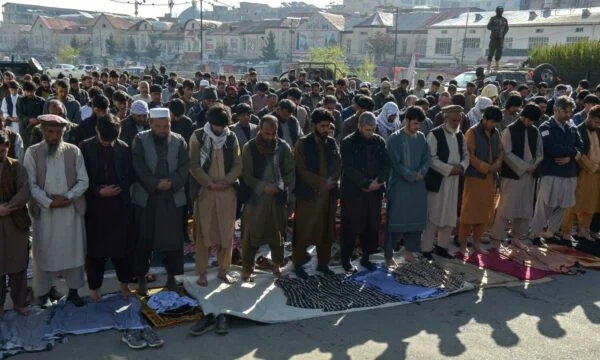
The “Morals Police in Afghanistan have arrested their husbands and barbers because of the hairstyle and also arrested other men after failing to go to the mosque to pray during the month of Ramadan.
So said a United Nations report published on April 10, six months after laws regulating people's behavior in Afghanistan.
The Ministry for Prevention of Ves and Virtue Promoting in Afghanistan published new laws last August. The legislation covers many aspects of daily life in Afghanistan, including public transportation, music, beard cuts and celebrations. Among the laws adopted by this minister is the ban on undiscovered voices and faces of women in public, Periscope.
That same month, a senior UN official warned that the laws represent “a disturbing view of the country's future, as they are added to existing restrictions on women and girls regarding employment, education and the dress code. The Taliban have dismissed UN concerns about moral laws.
In Thursday's report to the UN mission in Afghanistan, it was said that in the first six months of implementing these laws, over half of the arrests involved “or men who did not have the length of beard or hair model in accordance with rules, or barbers offering beard cuts or hair cuts that did not comply with rules”.
The report also said that “the moral police officer” regularly arrests people “pa was subjected to a fair or unrespecting legal protection”.
During the month of Ramadan, the participation imposed on men's prayers has been monitored closely, and this has often led to arrests of those who have not participated in prayer, the report said.
The UN mission said the two genders have been negatively affected by laws, separately those who have small businesses such as private education centres, barbers and hairsmen, tailors, businesses that provide wedding services and restaurants. This has led to reduced or total loss of income and employment opportunities.
According to the report, direct and indirect socio-economic effects from law enforcement are likely to further exacerbate the serious economic situation in Afghanistan. A World Bank study has estimated that the ban on women to study and work can cost the state $1.4 billion annually.
According to the UN report, more than 3,300 inspectors are committed to informing people of their laws and implementation. / REL