8 hours ago
What Ukraine Can Learn From the Peacekeeping Mission NATO in Kosovo?
Periskopi(a year ago)
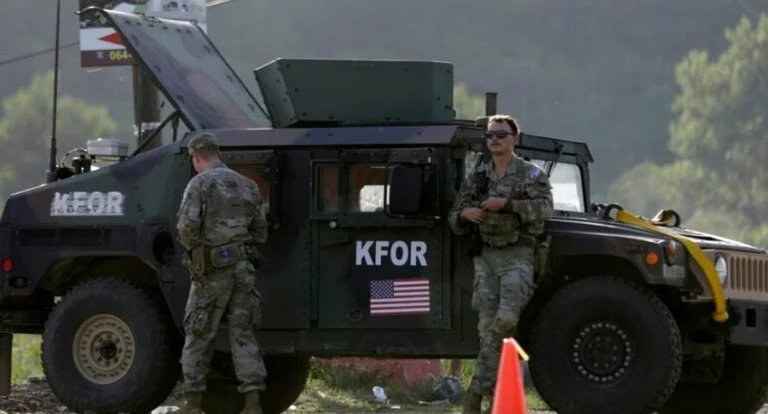
(a year ago)Twenty-six years after the war, the presence of NATO troops in Kosovo remains essential for ensuring peace and security in the country. Locals, Albanians and Serbs still want their presence. As long as they describe peacekeepers, Kosovo citizens estimate that a similar mission could contribute to peace [...]
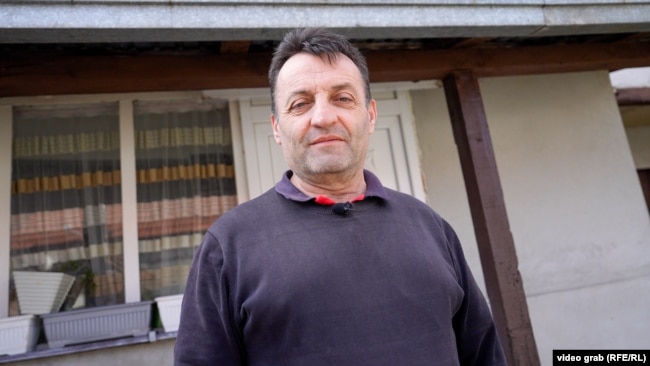
Zoran Spasac spends mornings with birds he keeps in his backyard at Rubofc in Lipjan, reports Radio Free Europe.
For the 56-year-old Serb, life in this village -- 35km from the Kosovo capital -- is much calmer than 26 years ago, when Kosovo had just left the war with Serbia a conflict that left more than 13,500 killed.
After the war ended, interethnic tensions between the Albanian majority and the Serb minority escalated.
These tensions eased after the entry of NATO's mission peacekeeping troops to Kosovo, KFOR Follows Periscope.
“KFOR immediately after arrival patrolled the village. Thanks to them, we managed to remain in our homes”, Zoran tells Radio Free Europe.
A peacekeepers' contingent was also located in the village of Rubofc to enable local residents to return to their lives and continue agricultural jobs.
Zoran says KFOR soldiers also conveyed them when they bought food for their needs and until they performed agricultural duties.
During harvests and plantings, they would come into the fields with their cars and provide protection, enabling us to do all our jobs with their help”, he says.
In the postwar years, KFOR played a key role in preventing interethnic incidents.
Kosovo founded its institutions, and in 2008 declared independence, making Kosovo Police the main security responsible.
Living With Neighbors
Are you tired? What are you doing, preparing? This is how Zoran greets his Albanian neighbour, Nuredin Zaskoku, in Albanian, who was preparing the tractor to start planting spring.
Nuredini was eight years old when, in 1999, KFOR peacekeeping troops entered his village.
As he remembers that time, he is happy that NATO sent its troops to Kosovo.
“The incoming KFOR has been very good, because it has been a security for us as well as for these [Kosovo Serbs], that it has been possible even after the war, perhaps, for them to have any threat from someone else, or something”, says Zaskoku.
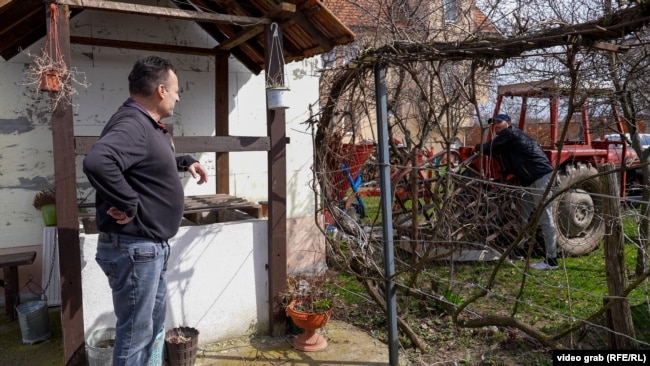
He adds that KFOR was helped with much to return to normal life.
Return and Disarm
KFOR peacekeeping forces, as a NATO-led mission, were sent to Kosovo on June 12th 1999.
This made it possible to return to their homes of more than 800 thousand Albanians who had forcibly fled from Serb forces, as well as the return of hundreds of Serbs who fled after Kosovo's liberation.
Recalling Zvey, as he walked over the bridge to Han, Elez, still remembers the day he landed from KFOR helicopter with troops entering northern Macedonia.
“There has been a moment, a shake, an emotional thrill, that I can never forget in my life”, says Zviori.
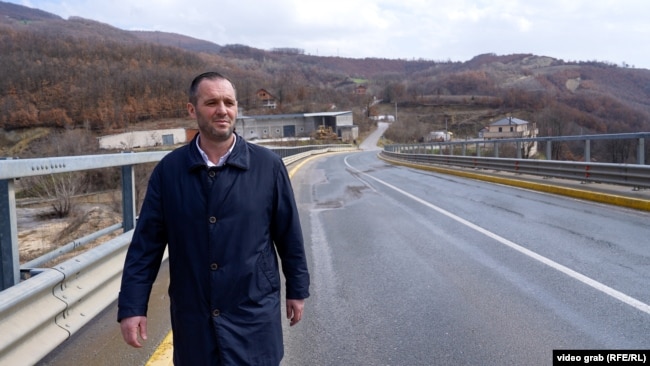
At the time, he was 21 years old, and had served as an interpreter for the British forces of KFOR.
You have two minutes to deliver your weapons. If you don't hand them over, we'll be forced to take”, that was an order by the British general that Zviva was supposed to translate to the Serbian Police.
At that moment, he says, the Special Unit Gurkas prepared and police decided to drop all weapons on the ground, and disarmed left Kosovo for Serbia.
Agim Ceku, former military and former Kosovo prime minister, estimates that KFOR's presence remains still needed for the country.
According to him, despite having a stable security situation, KFOR will be present in Kosovo until the threat from Serbia continues to exist.
“KFOR will be here until relations normalise, until mutual recognition is made, until it is estimated there is no danger of renewed conflict”, Ceku says.
What forces can be deployed in Ukraine?
Leaders from more than 30 countries met on March 27th in Paris to discuss finding a way to strengthen Ukraine's position inside and outside the battlefield. They pledged new assistance to Kiev and reviewed proposals for the deployment of European forces in Ukraine in the event of a peace agreement.
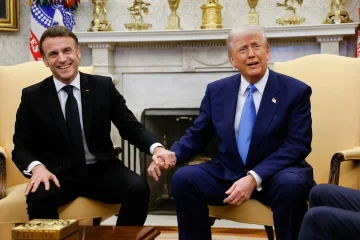
“will have a security force that will operate in Ukraine, representing several countries”, said France's president, Emmanuel Macron.
It is not Russia that can decide whether a security force can be deployed in Ukraine”, it insisted.
He added that, for the time being, there is no partiality for sending a Europe-led force and that not all members have agreed to participate, though he stressed that this is not necessary to move forward.
Speaking the day before the summit with Ukraine's president, Volodyyr Zelensky, Macron said this security force would not be taken to the front line of the war and would have no duty to oversee or implement any ceasefire.
According to him, such a task could be appointed to UN peacekeepers.
Lessons from Kosovo...
Kosovo's quarter-century experience with international peacekeepers is believed to provide valuable knowledge.
Ivan Vejvoda, senior associate at the Human Science Institute in Vienna, says that, firstly, every peacekeeping mission in Ukraine should include all sides.
All the acters must be part of this process of course the aggressor, Russia, the country that was conquered, Ukraine, the European Union, the United States, NATO”, Vejvoda says of Radio Free Europe.
So, there are many parts of this puzzle for a successful peacekeeping mission”, he points out.
What can be learned is the need to strengthen the foundations of peace and demonstrate political will. But, of course, under the right conditions ) especially for Ukraine, a European sovereign state that was occupied for no reason by its neighbour with nuclear weapons, Russia”, highlights Vejvoda.
He also added that the March 2004 events in Kosovo caused NATO troops to “drafted the strategy for preserving peace and ranks”.
“KFOR learned an important lesson and the commanders realised that the risks were greater than they thought in 1999”, he adds.
Secretary - General NATO, Mark Rutte, during a visit to Kosovo on March 11th, said sending the event to European-led peacekeeping forces in Ukraine could affect the revising of troop presence even in the Western Balkans.
Whether reconciliation will be reached to send peacekeeping military missions to Ukraine, Serbs and Kosovo Albanians believe a peacekeeping force would create conditions for peace between Ukrainians and Russians.
Zoran says that “without the presence of peacekeeping troops would not be possible to establish true peace”, as did his neighbour, Nuredini, who says that “in any state that has war need a force like KFOR” for stabilising the situation.