9 hours ago
Trump raised tariffs to steel and aluminum imports, EU responds with countermass
Periskopi(a year ago)
(a year ago)United States President Donald Trump has officially raised tariffs to all steel and aluminum imports to 25 percent on 12 March, promising that the tariff would help create jobs in US factories, at a time when its tariff threats have shaken the global market. [...]
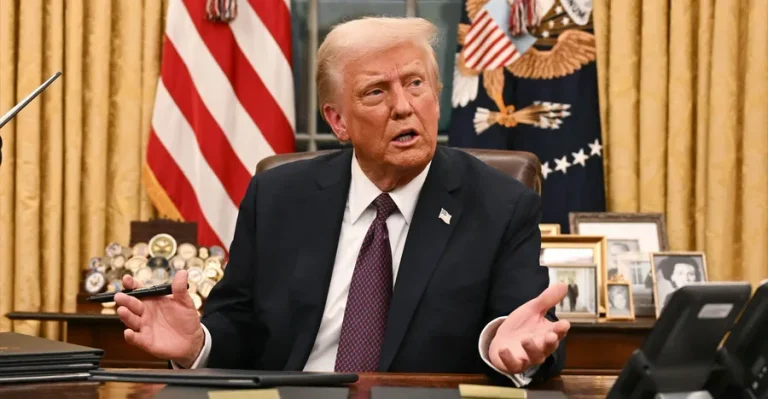
United States President Donald Trump has officially raised tariffs to all steel and aluminum imports to 25 percent on 12 March, promising that the tariff would help create jobs in US factories, at a time when its tariff threats have shaken the global market.
The European Union said it will respond to the American tariffs' entry into force with countermass.
Trump removed all exemptions from the tariffs imposed by him in 2018 on metals, as well as increasing aluminum fees from 10 to 25 percent.
Separas, Trump has imposed special tariffs on Canada, Mexico and China, and has also said it plans to impose tariffs on imports from the European Union, Brazil and South Korea in order to impose taxes “reciproke” that will take effect on 2 April.
Trump told business leaders during a table discussion Tuesday that the tariffs are causing companies to invest in American factories.
On Tuesday, Trump threatened to impose 50 percent steel and aluminum fees from Canada, but decided that the measure would be 25 percent after the province of Ontario gave up plans to impose an additional electricity fee sold in Michigan, Minnesota, and New York.
The EU, meanwhile, reported on March 12th on counteramens that it said would take effect on April 1st, following Trump's announcement of a 25 per cent tariff to all steel and aluminum imports, reports Free Radio Europe, broadcasts Periscope.
“Texa U.S. is setting a $28 billion fee, we are responding with counterloads worth of 26 billion euros [28 billion dollars]”, European Commission President Ursula von der Leyen said through a statement.
The EC manages trade and commercial conflicts on behalf of the 27 EU member states.
We always remain open for negotiations. We strongly believe that in a world filled with geopolitical and economic uncertainty, it is not in our common interest to burden our economies with tariffs”, said von der Leenen.
The EC said antimass will hit steel and aluminum products, but also textiles, skin products, household equipment, plastic products and wood. Agricultural products will also be affected, including birds, beef, sea products, dried fruits, eggs, sugar, and vegetables.
In 2018, during the first presidential term, Trump had imposed taxes on aluminum and steel, but they lost effect due to exceptions.
After Canada and Mexico agreed to his request for a review of a North American trade agreement in 2020, these two states avoided taxes on metal imports. Other US business partners had import quotas that replaced tariffs. Also, during Trump's first term, it was allowed for American companies to seek exemptions from tariffs, if, for example, they could not find the necessary amount of steel in local producers.
While Trump tariffs can help U.S. steel and aluminum factories, they can increase prices for producers who use metals as raw materials.
Trump views tariffs as a way to raise local factories and the White House has stressed that Volvo, Volkswagen and Honda are considering the possibility of expanding their presence in the US. However, the possibility of higher prices, lower sales and smaller profits may cause some companies to hesitate to invest in new production items. / REL