8 hours ago
Russia accepts limited infrastructure, energy ceasefire in Ukraine, White House says
Periskopi(a year ago)
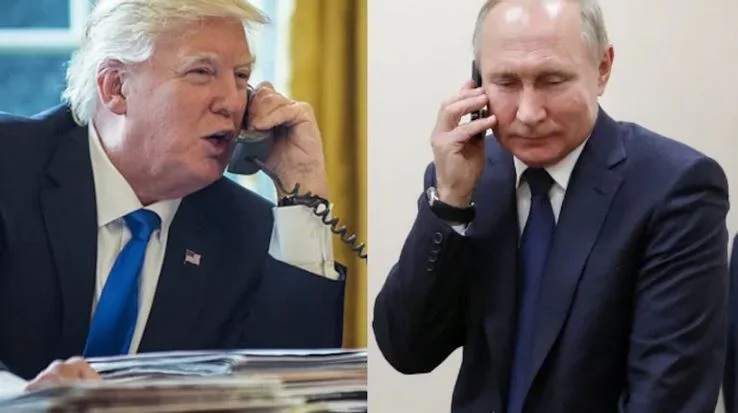
(a year ago)Call has been completed between US President Donald Trump and Russian counterpart Vladimir Putin. Russia has agreed to a limited power and infrastructure ceasefire in Ukraine, as part of the US-led initiative to end Ukraine's Russian occupation, the White House has confirmed. In a statement of [...]
Call has been completed between US President Donald Trump and Russian counterpart Vladimir Putin.
Russia has agreed to a limited power and infrastructure ceasefire in Ukraine, as part of the US-led initiative to end Ukraine's Russian occupation, the White House has confirmed.
In a statement issued after Donald Trump's call with Vladimir Putin, the White House said both sides agreed to develop “technical negotiations” for a maritime ceasefire, and, further, complete ceasefire and permanent peace.
These negotiations will begin immediately in the Middle East”, the White House said.
Trump and Putin also agreed that a future with an improved bilateral relationship between the US and Russia has major advantages”, with “big economic agreements and geopolitical stability”.
The two leaders discussed Ukraine and agreed that Ukraine and Russia exchange 175 prisoners of war, referring to Reuters.
Full statement:
“Today, President Trump and President Putin spoke of the need for peace and a ceasefire in the war in Ukraine. The two leaders agreed that this conflict should end with lasting peace. They also stressed the need for improving bilateral relations between the United States and Russia. The blood and treasure both Ukraine and Russia have spent on this war would be better spent on the needs of their people.
This conflict should never have begun, and it should have ended long ago with sincere effort and trust in peace. The leaders agreed that the movement towards peace would begin with an energy and infrastructure ceasefire, as well as technical negotiations on the implementation of a sea truce on the Black Sea, full ceasefire and lasting peace. These negotiations will begin immediately in the Middle East.
The leaders talked extensively about the Middle East as a possible co-operation region to prevent future conflicts. They further discussed the need to prevent the spread of strategic weapons and will engage with others to ensure the widest possible application. The two leaders shared the view that Iran should never be in a position to destroy Israel. The two leaders agreed that a future with an improved bilateral relationship between the United States and Russia has major advantages.
This includes large economic agreements and geopolitical stability when peace is reached”.