8 hours ago
“Need a peace agreement...” Rutte's visit: Disloding troops in Ukraine could open discussions on their presence in Balkans
Periskopi(a year ago)
(a year ago)As talks on a ceasefire in Ukraine continue, debate on the delocation of European troops has taken on intensity. If NATO allies deploy troops in Ukraine after a peace agreement, it could also open discussions on their presence in the Balkans, including Kosovo. The general secretary [...] mentioned this opportunity.
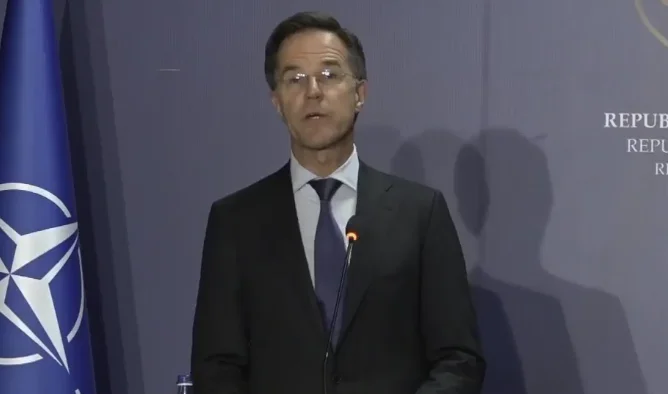
As talks on a ceasefire in Ukraine continue, debate on the delocation of European troops has taken on intensity. If NATO allies deploy troops in Ukraine after a peace agreement, it could also open discussions on their presence in the Balkans, including Kosovo. NATO Secretary General Mark Rutte mentioned this possibility as commenting on the military re-advancing of Western allies.
Disloiting NATO's Allied European troops in Ukraine after a peace deal could cause a domino effect, putting Western forces in question in the Balkans, including Kosovo, reports Time.net.
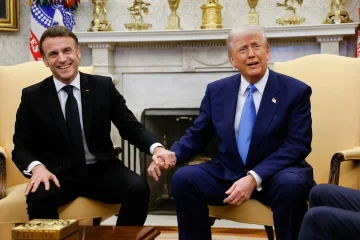
France's President Emmanuel Macron on 11 March called on European and NATO military chiefs to draft a “plan for reliable security guarantees” for Ukraine in case of a ceasefire, broadcasts Periscope.
Same day, Kosovo Secretary General remained NATO, which was asked if sending troops to Ukraine would influence Allied commitment within KFOR in Kosovo.
“You need a peace agreement, you need then the security guarantee mission as it is being designed right now by the French and British who are running that debate. And then we have to see what this means for the presence of troops on the east wing, but also here in the Western Balkans. But by then we're going to have three steps and I don't want to get into all of them with what-if”, Mark Rutte said.
He added that this discussion comes in order days after the ceasefire is reached or the agreement the US is working on.
Despite that, Rutte said the alliance is ready to respond to any security development in Kosovo, while urging Kosovo and Serbia on flexibility and compromises in dialogue.
Europe's five main military powers -- France, Britain, Germany, Italy and Poland -- are holding negotiations on strengthening security capacities as well as military support for Ukraine.
Last week, EU chief Ursula von der Leeyen cleared a plan of about 800 billion euros for Europe's protection and offering military support to Ukraine.
The United States has long made it clear that they will not send troops to Ukraine. President Donald Trump has also not indicated whether Washington would ensure a delocation of European-led troops.