8 hours ago
Why does Kenya's recognition of Kosovo matter?
Periskopi(a year ago)
(a year ago)Since Kosovo's declaration of independence, many states have recognised its citizenship. However, many others, such as the African continent, still refuse to do so because of concerns about separatist movements within their countries. Since the first meeting held by African Union (UA) this month, Morocco since [...]
Since Kosovo's declaration of independence, many states have recognised its citizenship. However, many others, such as the African continent, still refuse to do so because of concerns about separatist movements within their countries.
Since the first meeting held by the African Union (UA) this month, Morocco has been leading the presidency of this institution for March led for the protection of “territorial integrity”, as a way to preserve stability on the continent.
Knowledge from Kenya can bring about a change of policy, encouraging that other African countries make the same decision.
Gezim Visoka, author of the book “The Recognition of States”, says that if institutions engage, this could be a “turning point in favour of Kosovo”.
The Kenyan “Note presents a good opportunity for the Government of Kosovo, but also for other engaged actors to return momentum and work steadily and strategically to complete the process of international recognition of Kosovo”, Visoka says.
Visoka, professor of Peace and Conflict Studies at the University of Dublin in Ireland, says that, in the future, Kosovo should target 10 to 12 recognitions within the year.
Serbia's president, Aleksandar Vuciq, said that Kenya's recognition could spur a trend of Kosovo recognitions.
He said that, personally, he will talk to East African leaders to prevent “the spread of the [Kosovo recognition] train”.
He also warned that in the next two weeks there will be withdrawals of Kosovo's recognitions of independence from two African countries, but did not specify them.
Even in the past, Serbia has announced the withdrawal of recognitions from countries like: Suriname, Burundi, Liberia, Solomon Islands, Madagascar, Ghana, and so forth.
Most of the countries Serbia claims to have drawn recognition are from Africa.
Visoka, earlier, had named Kosovo's recognitions of independence as undisgusted “acts that do not make sense in the Kosovo case, as the reasons mentioned in the initial recognitions ʹ as the 2010 conclusion of the International Court of Justice that Kosovo's independence does not violate international law have changed.
“in most cases, recognitions occur from countries that are mainly post-colonial countries, without long diplomatic tradition and known for changing foreign policies, which are depending on financial, economic, even military aid, received by regional or international powers”, Visoka had said.
Kosovo's Ministry of Foreign Affairs and Diaspore (MPJD) has accused Serbia of pressure on states for not recognising or attracting recognition of Kosovo's independence.
According to her, Serbia is ignoring the pledges of the Agreement on the road to normalisation, which the parties reached in Ohrid in 2023, through “refugeeisation of Kosovo's recognition and distorting international judicial principles”.
Why has recognition from Kenya prompted reactions?
Besides hope from Kosovo and fear of Serbia that Kenya's recognition could launch a new trend of recognition, Kenya's recognition in particular matters.
From African states that have recognised Kosovo's independence so far, Kenya is the second grossly grossly producing the largest domestic product, after Egypt.
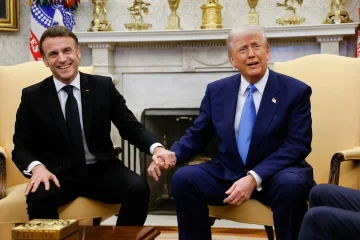
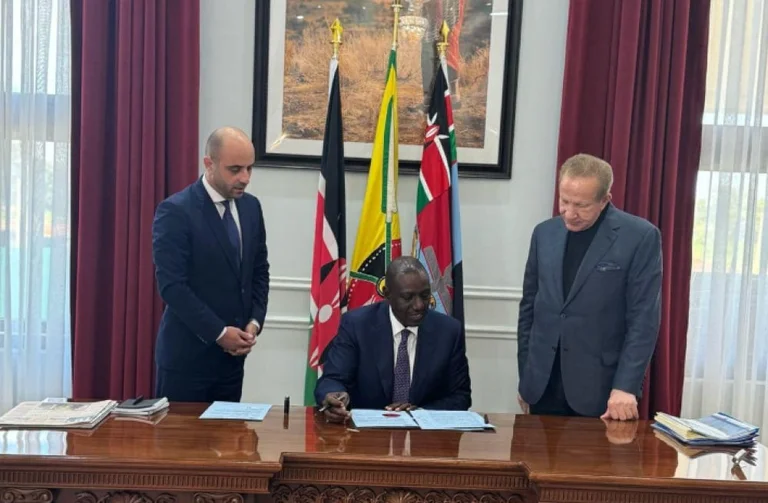
After formalising recognition by Kenya, Kosovo President Vjosa Osmani said that during meeting with Kenya's president, William Ruto, they also discussed “opportunities for deepening co-operation in trade, education, tourism and other areas of common interest”.
“Our two countries are committed to opening diplomatic missions as a concrete step towards a strong and sustainable partnership”, Osmani wrote on X, broadcast Periscope.
So far, Kenya's role in the Balkans has been limited to UN peacekeeping missions.
But in Africa, and especially in East Africa, this country has an important role as a regional power, by participating in various projects, such as electric highways with Ethiopia and the East African Energy Network.
Kenya is also a founding member of the East African Community (EAC), whose chairmanship now enjoys President Ruto.
It has played a key role several times in mediating conflicts within the region.
For example, on March 28th, Kenya sent former Prime Minister Rajla Odinga to South Sudan with a view to preventing the return of civil war.
Why don't more countries recognise Kosovo?
Since 2008, Kosovo has secured recognition from nearly 120 states. In recent years, MPJD has been criticised by opposition and policy connoisseur for not having new recognitions.
Visoka says there are many reasons why Kosovo has not secured more recognition. Among these, the main ones are Serbia's “deployment of Kosovo's foreign policy priorities” and “Serbia's pro-active diplomatic campaign to prevent and, when possible, to attract Kosovo recognition”.
According to him, the Washington Agreement, signed on September 4, 2021, has been impacted when Kosovo has agreed to respect a one-year-old mortorium, through which it would not apply for membership in international organisations.
“This has created the international impression that Kosovo is no longer interested in new recognitions, or that the path to recognition should go through EU-mediated dialogue for normalising relations with Serbia”, Visoka says.
Washington's agreement also forced Serbia to suspend its initiative to persuade the various states of the world to attract recognition of Kosovo's independence.
Visoka says many states fear that the process of recognition can have destabilising effects and undermine their interests, “so they tend to maintain the existing international order and give priority to territorial integrity to the right to self-rule”.
But, according to him, this can change if the state requiring recognition, like Kosovo, engages “with proactive diplomacy” and “co-operates closely with its world allies”. /REL