8 hours ago
The hidden spy threat: Trying to make Kosovo <x0 dysfunctional”
Periskopi(a year ago)
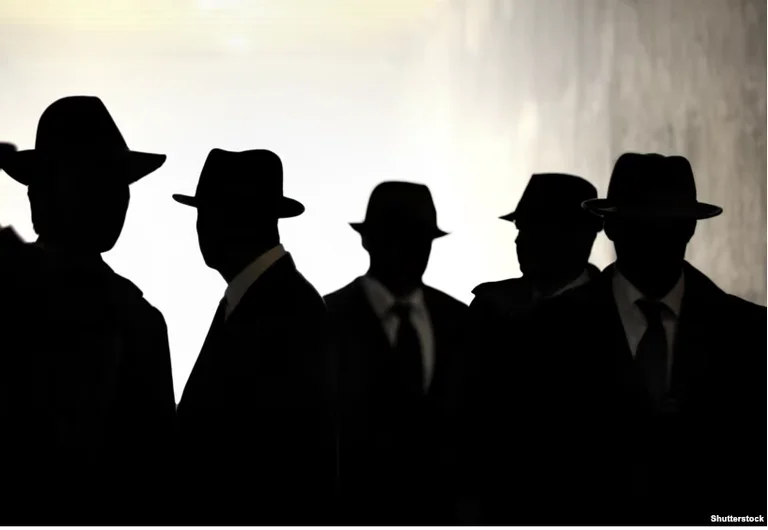
(a year ago)Spyage is a serious threat to Kosovo's security, and recent arrests only highlight the ongoing danger, experts say. According to them, this activity not only destabilises the inside country but also damages its international position. Institutions, on the other hand, are largely silent about the size of the problem. Former Chief Inspector of the Agency [...]
Former Kosovo Intelligence Agency chief inspector (AKI), Burim Ramadani, considers spying one of the main threats to national security in the country.
Recent arrests, but other criminal procedures against some suspects also show, according to him, how vulnerable Kosovo is to such foreign intelligence activities.
“Dations intended to be caused, are the ones that put Kosovo out bad and put it under tension inside”, Ramadani says of Radio Free Europe.
On 28 February of this year, Yelena Djukanovic from the Serb community in northern Kosovo was arrested under suspicion of spying.
Mission Officer The SEU in Pristina was submitted to the 30-day detention measure on March 2nd.
Some media reported she was a spy of the Serbian Intelligence Agency BIA, but despite efforts, Radio Free Europe failed to independently confirm these reports.
REL learned through Kosovo Special Prosecutor Bekim Kodraliu's prosecutor that evidence from another case also incriminated Djukanovic.
Kodraliu said he cannot provide more details, due to ongoing investigations, but stressed that the case is being handled as “significantly”.
Three days after the court pronounced the detention move to Djukanovich, the initial hearing was scheduled for two other spying suspects, Bedri Shaban and Muharrem Qrim, but it was postponed for 17 March.
Both are accused of sharing information and materials with BIA.
Spyage is the secret activity of collection, transfer or distribution of sensitive information to one state, organisation or another group.
With the Kosovo Criminal Code, the spying is considered a serious crime and is sentenced to minimum five years in prison, if guilt is confirmed.
Institutions Mainly Silence
Contacted by Radio Free Europe, the Kosovo Judiciary Council said that, at least in the last three years, there is no case with the epilogue resolved, which concerns spying.
Despite REL's insistence, he did not provide any information on how many court processes are under way against persons accused of spying.
Radio Free Europe's interest in the number of cases investigated and prosecuted for the spying work did not answer the Kosovo Special Prosecutor or the Kosovo Police.
Similarly, neither the Kosovo Ministry of Foreign Affairs and Diaspora answered the question of how many persons have been declared <x0non grata” -- or undesirable -- in the past five years due to the threat of national security.
In recent years, some have been declared and deported.
“Logic sensitive”
Former AKI inspector Ramadani says spying activities in Kosovo have several goals: damage to decision-making within Kosovo institutions, distorting Kosovo's truth and its processes, as well as impact on critical or vital security infrastructure.
Such activities, according to him, are also intended to direct or distract public opinion attention from the topic related to or not the interest of Kosovo's national security.
But because of their sensitivity and secrecy, he says he cannot specify the actions that have resulted from spying activities, not the points where Kosovo was attacked.
Ramadani says only that Serbia's structure é “trained, monitored and managed by Russian spying structures” aims to make Kosovo dysfunctional as a state.
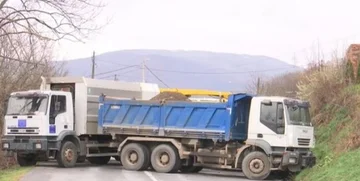
There have been cases when a Russian national, for example, has been caught and captured in the flagage, heading to barricades in northern Kosovo... and then declared quite a gratakon by the Government of the Republic of Kosovo”, Ramadani says.
“Dations are extremely difficult to measure”, according to him.
Serbia, even 17 years after Kosovo's declaration of independence, continues to consider it part of its territory.
With Russia's support, it also fights against Kosovo's membership in various international organisations, such as the Council of Europe, Interpol, or U NESTO.
For former Deputy Interior Minister Valdet Hoxha, it is mainly Serbia and Russia that have the willingness to extract Kosovo as “the failed project of the West”.
“in this context, naturally, they have targeted the infiltrate of their people in security mechanisms, in other political mechanisms”, Hoxha tells Radio Free Europe.
However, he adds, the expulsion from Kosovo of some people named <x0non grata”, or undesirable, shows that Kosovo authorities and its security structures have information about the potential risk of spying.
And, we can't be comfortable, because Kosovo is a centre for destroying the situation in the Balkan [Western] region, he stresses for Radio Free Europe.
Does Kosovo have capacities for fighting spying?
Although it is not immune to networks and spy actions, Kosovo has steadily advanced in the consolidation of the security sector, including institutional mechanisms against spying, both experts assess security issues.
Ramadani says this consolidation is extremely evident in security institutions, including AKI, but adds that it would need to be expanded with a more comprehensive approach in relation to other institutions.
He says security institutions in Kosovo have also won the confidence and support of security organisations from other states.
There have been cases where security sector institutions have publicly thanked partner states for specific cases of support, exchange information and treatment of information that have resulted, then, whether by breaking up a hostile activity of spying, or by declaring quite a few women involved in spying, or by arrests and criminal prosecution”, Ramadani says, but does not specify more.
Hoxha says this co-operation has caused security institutions in Kosovo to have sustainable growth, and especially AKI.
According to him, this agency is the most prepared “in the region”, but that does not mean that Kosovo should be less vigilant.
“Spyage is subtle activity and activities that take place with detailed plan and strongly supported by [the military] intelligence services”, Hoxha points out.
In the context of geopolitical developments, both experts warn there may be even more aggressive activities of spying on Kosovo.
Therefore, they stress, further strengthening of security mechanisms and co-operation with international partners remain essential issues to prevent and neutralise threats stemming from spying. / REL