8 hours ago
Greece ready to arm, aims to spend 28 billion euros
Periskopi(a year ago)
(a year ago)Greece's political minister, Kyriakos Mitsotakis, is expected to present the 12-year Parliament's Long-term Defence Arming Programme, presenting the country's strategic investments for strengthening national defence in the coming years. The programme will accommodate at least 28 billion euros for defence expenses from 2025 to 2037, with an average of [...]
The programme will accommodate at least 28 billion euros for defence expenditures from 2025 to 2037, with an average of 2 billion to 2.5 billion euros annually. These measures come at a time when the European Union is considering an extraordinary 800 billion-euro arms initiative.
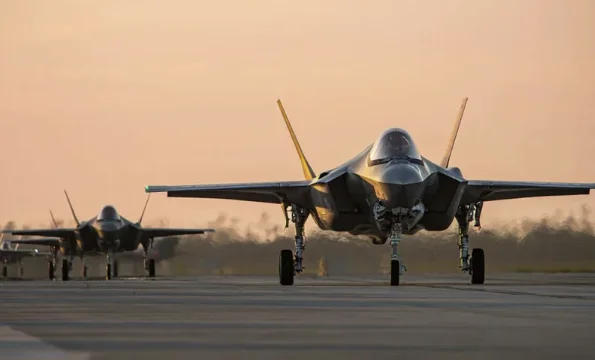
After the prime minister's presentation, Defence Minister Nikos Dendias will provide further details on the strategy and priorities of the plan. According to sources from Greek media, the programme will identify the needs and objectives for the purchase of new weapons systems, but without specifying concrete types of equipment or acquisition procedures, in addition to those already contracted, Euronews reports.
Since 2020, Greece has signed protection contracts worth nearly 15 billion euros, and the new programme is expected to further consolidate the country's defence capacities.
One of the key priorities of the plan is the initiative called “Achilles'Shield”, aimed at modernising the air defence system and increasing the interoperability of the armed forces. In addition, Greece has shown interest in developing an air defence system similar to Israel's Iron Cup, with the aim of protecting the country from air threats.
Minister Dendias has declared that financing for this infrastructure is envisioned in the 2030 budget. “Iron Cup”, developed by Israel with support from the United States, is a system specialising in the collapse of short-range missiles and has shown a success rate of over 90%.
This new programme marks an important step in Greece's defence and security, reflecting the government's commitment to strengthening defence capacities in an increasingly challenging geopolitical context.