8 hours ago
A bacteria in Kosovo water sample is found in northern Macedonia
Periskopi(a year ago)
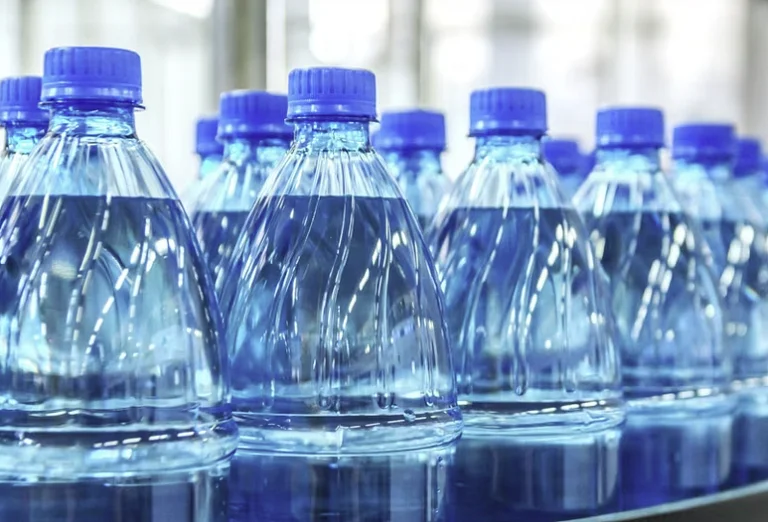
(a year ago)The Food and Veterinary Agency in northern Macedonia said it is inspecting all water shipments imported from Kosovo, after laboratory analyses discovered the presence of coliform bacteria in a water sample from the neighbouring state, reports the Macedonian Radio Free Europe Service. Some media in this country also published the decision [...]
The Food and Veterinary Agency in northern Macedonia said it is inspecting all water shipments imported from Kosovo, after laboratory analyses discovered the presence of coliform bacteria in a water sample from the neighbouring state, reports the Macedonian Radio Free Europe Service.
Some media in this country also published the agency's decision about water samples “Rugove”.
REL in Pristina contacted the owner of this company, Visar Kelmendi, who said sales in northern Macedonia are continuing.
“has been a problem that two-three weeks with an analysis test... Then ten more water tests have been taken in northern Macedonia, Kosovo and a third state, and it is confirmed that there is nothing”, Kelmendi said.
The REL also contacted the Kosovo Food and Veterinary Agency on this occasion and is awaiting the response.
What's a coliform bacteria?
Coliform bacteria are present in the environment and in the dung of all warm - blooded animals and humans.
Coliform bacteria cannot cause disease.
However, his presence in drinking water indicates that disease - causing organisms (patogenes) may be in the water system, says the Washington State Health Department's description.
According to him, if the coliform bacteria are found in a water sample, water - system operators work to find the source of pollution.
The Skopje Food and Veterinary Agency said that “from each of the shipments of non-alcoholic water and drink originated from Kosovo will take laboratory samples for testing microorganisms, in line with the rule for specific requirements, involving microbiological criteria for food”.
In parallel, this agency said that North Macedonia has intensified controls for fruits and vegetables imported from all countries to monitor the remains of pesticides.
She said products would not be allowed in the market without results confirming their safety.