9 minutes ago
“The rise of energy tariffs ʹ severe shocks for Kosovo businesses and economy”
Periskopi(a year ago)
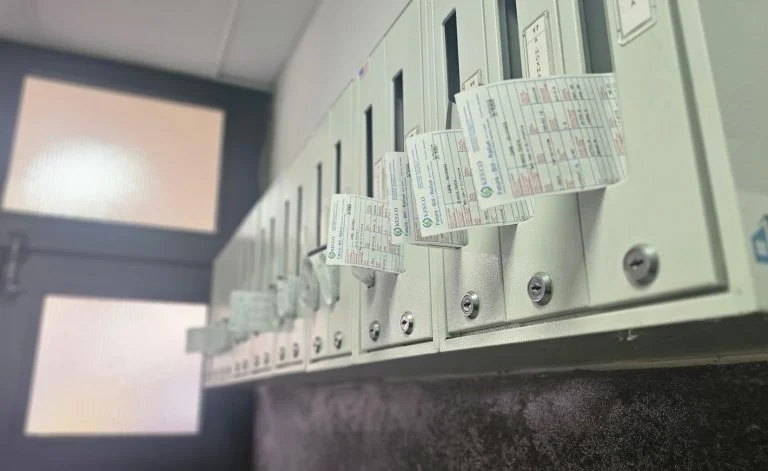
(a year ago)The Kosovo Business Connection opposes increasing electricity tariffs the League of Kosovo Business (LBK) expresses its deep concern over the proposal to raise electricity tariffs, which are expected to have a negative impact on the country's economy and the private sector. LBK, rejecting tariff increases, [...]
The LBK, rejecting tariff increases, says it is expected to have a negative impact on the country's economy and on the private sector.
“The rise of the electricity price will significantly burden production and utility businesses, increasing operational costs and reducing the competitiveness of Kosovo products and services in both the domestic and international markets. Such a decision would create a chain effect, directly affecting price hikes for consumers and the purchasing power of citizens”, the LBK's response said.
The LBK points out that such tariff increases will force businesses to face additional costs, which could lead to increased prices of products and services, lower investment and, potentially, job losses.
This will negatively affect economic stability and private sector development in Kosovo. If energy price increases become reality, businesses will be forced to increase their product and services prices, lowering citizens' purchasing power and creating difficulties for the private sector. Furthermore, such a situation could affect reducing exports and reducing the interest of foreign investors in our” market.
Kosovo Business Directment “calls on institutions responsible to review this proposal and consider other options that will not further burden the country's businesses and economy. Therefore, it is imperative that responsible institutions carefully examine this issue and ensure that businesses do not face an unaffordable financial burden”.
At the end of the communique it says “The LBK will continue to protect private sector interests and commit to sustainable economic policies that promote Kosovo's long-term development and stability”.