8 hours ago
Mandl: Serbia not reliable, recognition of Kosovo is only final agreement
Periskopi(a year ago)
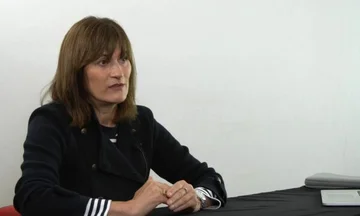
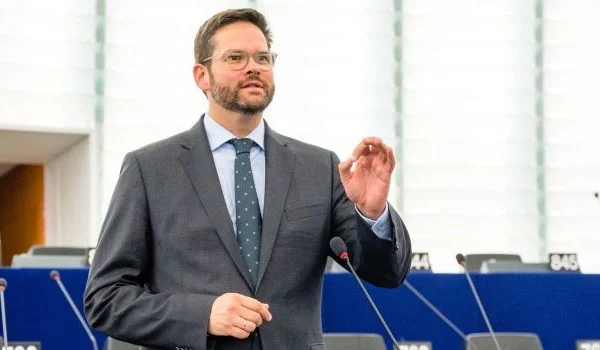
(a year ago)Austrian Eurodeput, Lucas Mandl, has talked about the challenges of implementing the agreement between Kosovo and Serbia, the potential impact of the Trump administration and the security situation in northern Kosovo. According to Mandl, the agreement reached on February 27th in Brussels and its application annex on March 18th in Ohrid is facing obstacles [...]
According to Mandl, the agreement reached February 27th in Brussels and its application annex on March 18th in Ohrid are facing obstacles due to Serbia's approach.
He stresses that Serbia has not been credible in even small issues.
“If Serbia does not behave credible in small things, how can the other side be expected to take major steps?
Asked about the possibility of a final agreement during the administration's mandate of Trump, he says that “A final agreement can only mean recognition. “ ...or else, it wouldn't be final. ”
He emphasises that the European Union should not expect only from the US, but rather commit more to stability in the region.
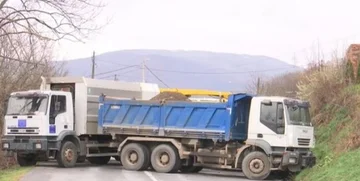
Commenting on recent tensions, including the “Banjska” case and the explosion on the Iber-Lepenc River, Mandl stresses that the status quo does not serve regional stability.
Any reasonable and conscientious person should work to change the status quo for the better,” he declares.
The Austrian Eurodeput says Kosovo and Serbia should not expect the EU or the other side to offer solutions, but to have self-incibility and to submit reasonable proposals for dialogue.
According to Mandl, the future of the region depends on mutual recognition, credibility in the international arena and continued work on strengthening the rule of law and education.
Regarding the fact that Milan Radojic continues to move freely to Serbia, despite his involvement in the Banjska incident, Mandl stresses that Serbia's reluctance is not surprising, adding that the problem lies with Serbian President Aleksandar Vuciq.
However, it is important to note that we are talking about Serbian authorities and not about the people of Serbia as a whole,” ends Mandl for the telegraph.