8 hours ago
Kan: Fights with Americans didn't help Kurt
Periskopi(a year ago)
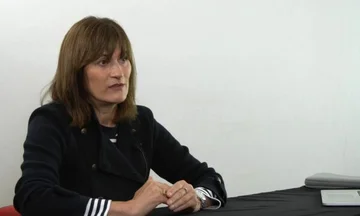
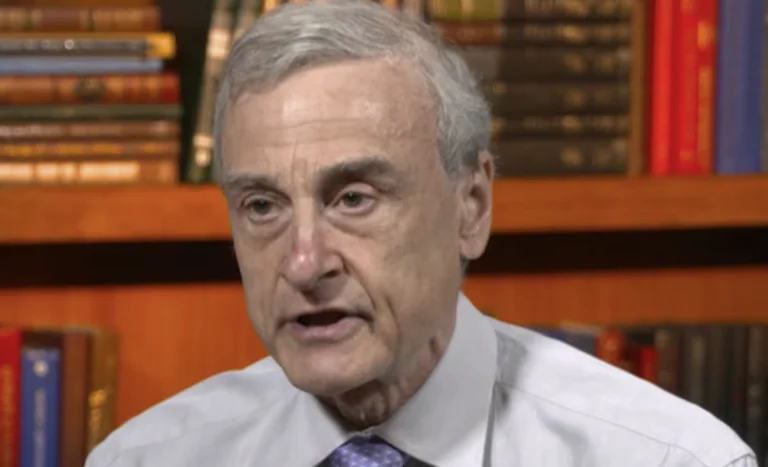
(a year ago)David Kanin, professor of European Studies at Johns Hopkins University in Washington, says the results of the parliamentary elections in Kosovo have shown that Prime Minister Albin Kurti's disputes with Americans have largely damaged his party Vetevendosje Movement. In an interview given Radio Free Europe, Khan says if [...]
In an interview given Radio Free Europe, Khan says that if Kurti is elected prime minister again, it is not clear whether relations with the US will get better.
However, it is very clear that people around [American President Donald] Trump, they are unhappy with him, just like the people around [former Joe presidents] Biden”, Kanin says.
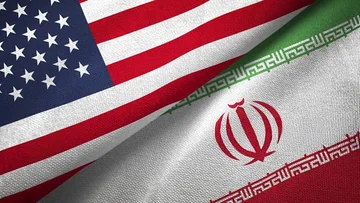
In recent years, the US has sometimes warned the Kurti Government of certain actions in northern Kosovo, which it has considered to be unilateral and uncoordinated.
Kanin says that whoever forms the new Government of Kosovo will have the formation of the Serb majority municipalities' association amid immediate challenges.
Radio Free Europe: Professor Khan, Kurt's party, according to preliminary results, lost about 10 percent of support. What factors do you think affected this decline?
David Khan: They were different this time. Serbs voted and a percentage went to them. Similarly, Kurt's disputes with the Americans have not helped him. I think they've damaged it to some extent, but not that big, because it's not a catastrophic result for it. He continues to have the largest party.
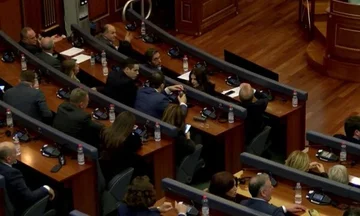
The Democratic Party of Kosovo and the Democratic League of Kosovo do not have votes to form coalition without Kurti. They need more support. They could ensure that they would go to a coalition with the Serbian List, but would they go? Would these two parties be willing to work with Serbs to form a government? That's the question. And if they are not ready, they will find it difficult to collect 61 mandates in the Kosovo Assembly.
According to the prognosis for now, Kurti can provide 54 mandates to form the majority needs another 7. It can be provided with non-Serb minorities. I'm not saying this is going to happen, but if Kurt's willing to make a coalition because he said no he's got a chance.
Radio Free Europe: Who do you expect to lead the next Government of Kosovo?
David Khan: I don't know. I think some part depends on whether Kurt really thinks about what he says when he says he's not going into a coalition. I don't know if he really believes that.
I think that Americans will push for a government that will be united if from nothing else by the will to create the Association of Serb-run municipalities. That's what we Americans will love. But I think it's too early to know who will be prime minister, because I don't know what conversations are taking place among different parties, if they're going to be.
Association, among the first challenges
Radio Free Europe: What will be the biggest challenges for the new government, regardless of who forms it?
David Khan: The first thing will be the Association of Serb majority municipalities. Whether the new government will be willing to form it, given the American and European insistence, remains to be seen. But this complicates the fact that the Serbian government is also in trouble. Will [Serbia's president, Aleksandar] Vuciq survive? Will the actual protests be expelled? So it also depends on who will be in the Government of Serbia, or what Vuciki's attitude towards the new government of Kosovo, or the people who will replace it...
So there's a lot of uncertainty. Of course, Kosovo's new government will have to set its domestic priorities in terms of economy, education, health ... then relations with the European Union, the status issue outside Serbia, because there are five EU countries that do not yet recognise Kosovo.
We know that Kosovo governments, even before Kurt, have not been able to secure recognition from either of these five EU countries.
“Dialogue will also depend on the fate of Vuchiqi”
Radio Free Europe: You expect any progress in dialogue with Serbia?
David Khan: I think it depends on what happens in Serbia. For the first time, Vuciki's leadership is in question. It's possible his regime is in trouble. I think what happens in Serbia is very important to answer that question. When it becomes clear, we may know more.
If Kurti becomes prime minister again, he could find ways to delay any movement towards the Association of Serb majority municipalities, noting instability in Serbia. If other people come, they may wish to have improved relations with Serbia. But again, until we know what the future of the Serbian government is, it will not be clear how things will turn out.
Radio Free Europe: As you mentioned earlier, Kosovo's ties with the United States have faced tensions in recent years. Do you think the new government will take steps to improve relations with Washington?
David Khan: If the new government is not with Albin Kurti, if it is some kind of coalition without Vetevendosje Movement, then yes. [White House envoy for special missions] Richard Green made it clear that Americans love Kurt outside. A week before the election, Green has made the American position very clear.
<x)
Radio Free Europe: What if Kurt becomes prime minister again? What will happen to relations with the United States?
David Khan: It's gonna be hard. If elected prime minister, he could say he has a mandate just like the American president. He will try to co-operate with Americans, he means he is co-operating and for everything he blames Serbs.
But it is very clear that people around [American President Donald] Trump, they're unhappy with him, just like people around [former American President Joe] Biden. So if Kurt remains prime minister, it is not clear whether relations with the US will get better.
Radio Free Europe: But he insists that these relationships have never been better...
David Khan: It has been a campaign statement. That's not true. Green has immediately responded to that statement, saying it is not true, that relations are terrible and that they are at a very low level.
Radio Free Europe: Seen before, what policies or decisions can set Kurt's new mandate as prime minister?
David Khan: If he returns as prime minister, we will have to see if he will continue to have a very harsh approach towards Serbs in northern Kosovo. He has undermined their institutions, shut down many of them because, according to him, they have worked against Kosovo's interests.
If he returns, he will have a smaller majority, it will be a different place, so it remains to be seen whether he will continue with that campaign against Serbs, even though Americans are very opposed to it.
Radio Free Europe: Kurti insists he has the right to close those institutions, being called into the country's laws and Constitution...
David Khan: Just because you have the right to do something doesn't mean you have to do it. He can choose whether or not to continue pressure on Kosovo Serbs. That's a choice he can make, and that's a choice I'd pay attention to.
“
Radio Free Europe: And one more question: What message do you think the election results were sent to Kosovo international partners?
David Khan: I think the message should be that a large part of Kosovo's electorate remains suspicious of co-operation with Serbs, remains suspicious of Serbia. A large part continues to support Kurt's policies in northern Kosovo, and in terms of the Association of Serb majority municipalities.
The international community must understand that, despite pressure, its ability to influence Kosovo's electorate in these elections has been limited, because Kurt's party remains the most popular in the country. He has far more votes than his rivals for prime minister. /Radio Europe Free