2 hours ago
The reason you wake up at night may be more interesting than you think
Periskopi(7 months ago)
(7 months ago)Many centuries ago, people slept in two periods of nighttime, and according to scholars, our bodies still remember this ancient rhythm. People went to bed right after sundown, woke up about midnight, and then slept again until sunrise, according to historical sources from Europe, Asia, and Africa. This interruption of [...]
Many centuries ago, people slept in two periods of nighttime, and according to scholars, our bodies still remember this ancient rhythm.
People went to bed right after sundown, woke up about midnight, and then slept again until sunrise, according to historical sources from Europe, Asia, and Africa.
This break of night was not viewed as an obstacle, but it represented a natural vacation that changed the perception of time. Winter nights were also “separated”, which made them more affordable.
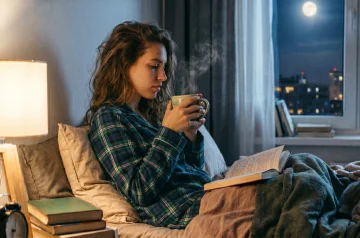
During that peaceful “interval”, many people performed simple tasks, such as lighting fire or controlling livestock. Some used their time for prayer, reflection, or association with the family, while many scriptures mention that people were reading, writing, or spending time with their partner. This pattern of sleep was common for centuries until changes brought about by the industrial revolution replaced it. sleep
The display of artificial enlightenment changed man's relationship with the night. Initially with oil lamps, then with gas, and later with electric lights, the wakeup time was extended as bright light at night affected the biological rhythm.
This light hindered the secretion of melatonin and postponed the beginning of sleep later. Until the beginning of the 20th century, the new pace of life adapted to factory tours and social customs imposed long, constant sleep.
However, scientists have noted that when humans in modern experiments become lightless, hourless conditions, they often return spontaneously to two - phased sleep. The same is evident in communities that still live without electricity, such as agricultural populations in Madagascar, where many naturally wake up about midnight.
Studies also show that light affects the perception of time: in the darkest rooms, people often feel that more time has passed than on light, and when they are in a bad mood, that effect becomes even more pronounced, writes Science Alert.
Moving to Stage Two
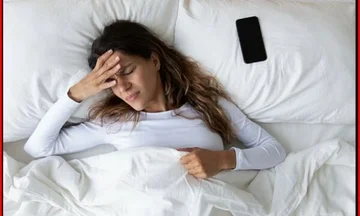
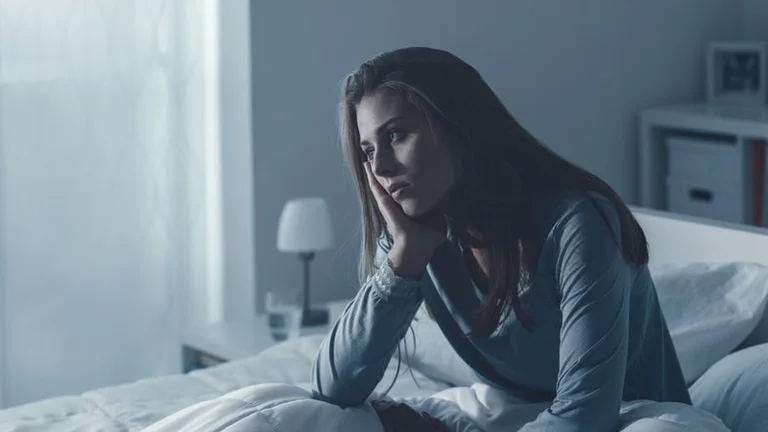
Nighttime wakes, then, are no indication that something is wrong. Short sleep cuts are common and take place during the transition from one stage to another, but the problem often lies in the way we react.
When we wake up at three in the morning and watch the clock, time seems to stand still. Anxiety and deep calm of the night add to the feeling that the passing of time may seem like eternity.
For this very reason, experts recommend that if you cannot sleep more than 20 minutes, get up, lower your light, read something soothing, and return to bed once you feel sleepy. It is also suggested that you cover the clock, as its constant look only increases anxiety.
Accepting the fact that short wakes are part of the natural pace can reduce stress and help you replay more easily.