an hour ago
Kosovo postpones strict implementation of Law for Foreigners, Autodess
Periskopi(8 months ago)
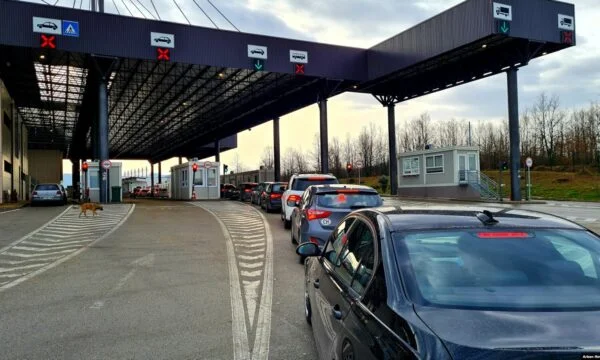
(8 months ago)Kosovo's Ministry of Internal Affairs has postponed until January 15th 2026 the implementation of the Foreign Law for Automobiles and Law. Under the Law for Automobiles, cars with foreign license plates cannot stay in Kosovo for more than three months or on the basis of a warrant. [...]
Authorities in Kosovo had earlier announced that strict law enforcement would begin on 1 November, reports that were criticised by the Serb community, civil society and political representatives.
The MPB said on Friday that between November 1st and January 15th it will hold an informational campaign for all Kosovo citizens and foreigners who have a temporary and permanent stay in Kosovo.
The particular “Fokus of this campaign will be informing citizens of the conditions for participation in traffic in Kosovo territory, especially for vehicles registered in the foreign country and issues related to implementing the legal provisions for vehicles. The campaign will also provide practical guidelines for the entry, movement, position and employment of foreign citizens in Kosovo”, the announcement said.
The new move for trafficking affects members of the Serb community who have residence in Kosovo according to the Serbian system, but drive cars with license plates in Serbia's cities, using authorisation.
The driver's ID card data, which is released by Serbia's bodies for cities in Kosovo, is available, but the official Pristina does not recognise.
Such cases exist in the majority Serb environments both in the north and south of the Iber River.
In addition to measures related to the circulation of foreign license vehicles, Kosovo police announced in September, as well as the implementation of the Law for Foreigners in personal documents, which means that all those who do not have permission to stay in Kosovo will have to apply for one.
Authorities in Kosovo have published a roadmap explaining the procedure of obtaining permission for short, temporary or permanent stay, and anyone not applying for such a permit is expelled from the state.
There is no precise official record of how many Serbs live in Kosovo and own Kosovo documents, as members of this community mainly in four municipalities in the north boycotted the population registration process held in 2024, writes REL, broadcast Periscope.
However, according to the assessments of Serb civil society and local authorities in Serb majority municipalities, about 100,000 Serbs live in Kosovo. A 2024 report by the non-governmental organisation Active, titled “The stances of the Serb community” showed that over 93 percent of the 503 respondents owned Kosovo documents.
A group of Serbian NGOs had earlier stated that there are still thousands of Kosovo Serbs who cannot be equipped with Kosovo documents, because the Kosovo Serb civil census, as well as other members of the non-communal communities, has been hampered for many years”.
Kosovo authorities, from November last year until April of this year, have enabled Serbs in Kosovo to obtain citizenship “late”, considering that some of them could not obtain Kosovo documents because they had only birth certificates issued by Serbian institutions, which Kosovo authorities do not accept. /Periscope/