an hour ago
Britain Lasts Three Years for KFOR Mission
Periskopi(8 months ago)
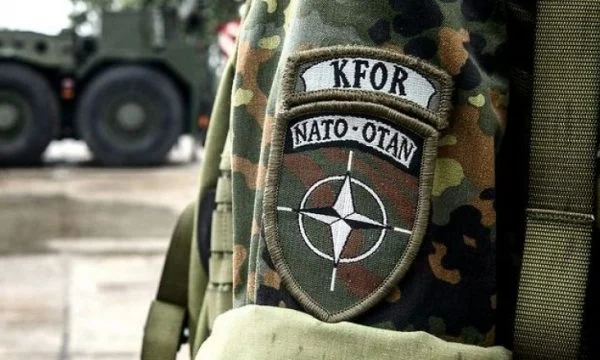
(8 months ago)Britain will continue to support NATO's peacekeeping mission in Kosovo, KFOR, for at least three more years. This has been made known in a release published on the official British government page. The United Kingdom has reportedly been a key contributor to NATO Force in Kosovo [...]
This has been made known in a release published on the official British government page.
The report says the United Kingdom has been a key contributor to the NATO Force in Kosovo (KFOR) mandated by the UN since it first entered Kosovo in 1999 as a peacekeeping force to bring peace and stability.
“The engagement focuses around a reserve force of hundreds of British soldiers that could be deployed to Kosovo to assist the mission with a brief announcement, if necessary. The last major United Kingdom deployment to support the mission took place in 2023 following a violent attack on police in northern Kosovo”.
The extension of United Kingdom support for KFOR until at least December 2028 meets government approach “The first NATO” as defined in the Strategic Defence Review, while simultaneously increasing security in the Western Balkans.
The announcement comes as British Prime Minister Keir Starmer hosts the Western Balkan Leaders Summit in London today to discuss closer co-operation to address the common challenge of irregular migration.
“The United Kingdom's commitment to peace and security in the Western Balkans is steadfast. By giving our support to NATO Force in Kosovo, we are demonstrating our role as a key ally of NATO and we are standing by our values of stability and democracy. Close co-operation with our partners in the Western Balkans is vital, not only for regional stability, but also to ensure security here in the country”, he said.
Kosovo is an important bilateral partner, with the United Kingdom being the first country to recognise its independence in 2008.
International Peacekeeping Mission NATO, supported by more than 30 countries, was created after NATO's 78-day air campaign in 1999 against the Federal Republic of Yugoslavia, aimed at preventing a humanitarian disaster in Kosovo.
This comes as the United Kingdom Defence Ministry prepares to start a new course intended for Western Balkan countries to begin early next year, designed to help build understanding among defence organisations and security on issues about protecting the lives of civilians, including promoting women's role in defence.
Training this type is widely seen as one of the most effective methods contributing to conflict prevention and would encourage the development of a network of colleagues in the region, who can be consulted in the future. The United Kingdom will invite Albania, Bosnia and Herzegovina, Kosovo, Montenegro, Northern Macedonia and Serbia to participate.
On the other hand, the Minister of Armed Forces, Al Carns, said that his country's troops have carried out hundreds of missions over decades in support of KFOR and “this expansion of our commitment will keep Kosovo and the Western Balkans safer”, broadcast Kankosova.tv.
“Peacekeeping is a critical component of our commitment to keeping the United Kingdom safe and strong abroad, and I would like to thank hundreds of British troops who remain ready to take steps to keep the United Kingdom and secure Europe. ”
Further on the official British government page are details of the contribution of this force to the KFOR mission.
“The United Kingdom forces have been working to improve KFOR intelligence, oversight and intelligence ability, significantly raising awareness of the mission's commanders of the situation by ensuring that the operation can provide a safe environment for the entire population.
Support is financed through the Government's Integrated Security Fund, which is separated from numerous departments in addressing the national security challenges facing the United Kingdom and partners”.