17 minutes ago
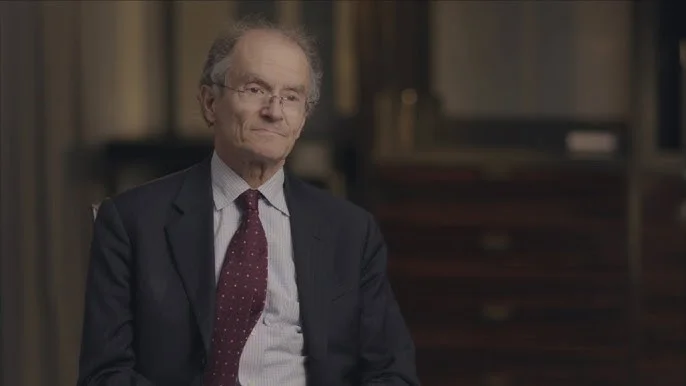
American diplomat Fried: US frustrated with Kurti, suspension of Strategic Dialogue is a serious decision
Periskopi(8 months ago)
(8 months ago)With the indefinite suspension of the planned Strategic Dialogue with Kosovo, the United States of America, according to former Assistant US Secretary of State for Europe and Eurasia Daniel Fried, is willing to warn Kosovo against continued signs of Kosovo Prime Minister Albin Kurti's authoritarianism. Fried who served in this [...]
Fried, who served under George W. Bush, and for several months in Barack Obama's, believes the suspension of Strategic Dialogue is a serious but not irrevocable decision.
Asked about the terrorist attack in Banjska, the American top diplomat estimates that Kosovo should expose Serbia's mountain efforts to the world and that stronger relations with the European Union “would help Kosovo in efforts to protect against such aggression”.
In the Albanian Post interview, US diplomat Daniel Fried estimates that the Trump administration can use additional measures, such as tariffs, and that it has the potential to influence the normalisation of Kosovo's relations, although this process is “difficult but that it might like Trump”. He also notes that the American ambassador's absence in Pristina does not necessarily indicate problems, but rather slowness in the administration's appointments.
As for US reports Serbia, he stresses that signals are mixed, but that Washington is showing readiness for pressure on Belgrade, while Vucic's strategy to balance between the West and Russia “may no longer function as onceco-x1>.
The United States has suspended Strategic Dialogue with Kosovo, expressing concerns about partnership with incumbent Prime Minister Albin Kurti's government. How serious is Washington's decision to suspend the Strategic Dialogue with Kosovo?
Daniel Fried: Nothing is permanent, but the suspension of Strategic Dialogue follows frustration against the government of Prime Minister Kurti. It's a serious decision, but not irrevocable.
What message is the US trying to send through this action towards leaders in Kosovo?
Daniel Fried: Part of the American administration is warning against continuing signs of authoritarianism by Kurti and his tough attitudes towards the Serb community in Kosovo.
What do you think is behind this decision at this particular time?
Daniel Fried: I cannot say for sure, and the September month statement by the United States did not specify any events that caused the decision. The nature of the Trump administration especially weakness (or even lack) of formal policymaking structures and relative power of informal influences makes it difficult to analyze timely issues.
Besides suspending Strategic Dialogue, what other measures could the United States take to increase pressure on Prime Minister Kurti?
Daniel Fried: The Trump administration has used tariffs as a political tool. I can't say if this would be effective in this case.
Do you think Donald Trump's administration would play a crucial role in Kosovo relations? If so, how? If not, why?
Daniel Fried: This administration has the capacity to push ahead with reaching agreements, as it has previously shown. President Trump has committed himself to trying to reduce tensions between Belgrade and Pristina and has claimed to have succeeded in this regard. He may put pressure on normalising relations a difficult but difficult process that could please him.
Since January of this year, the United States has not had ambassador to Kosovo. How should this be interpreted? What may be the cause of this delay?
Daniel Fried: The Trump administration has been slow to appoint senior officials, including ambassadors. That does not necessarily mean there are problems in bilateral relations.
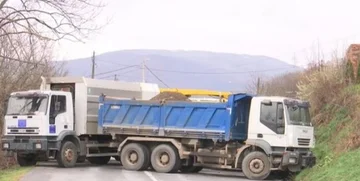
Two years ago, in the village of Banjska of Zvecan, a group of Serb paramilitaries led by the terrorist, Milan Radojicic attacked the Kosovo Police, killing Sergeant Africa Bunnjak. During the clashes, three other Serb attackers were also killed. Kosovo has named the attack “terrorist” and accuses the Serbian state of involvement, which Serbia has denied. For years, Kosovo leaders have accused Serbia of operating in the region according to the Russian “>”. As the connoisseur of Russian affairs, how should Kosovo operate in this case?
Daniel Fried: Serbia is able to organise such attacks. Kosovo should expose them. Stronger relations with European friends and with the European Union would help Kosovo in efforts to protect itself from such aggression.
Based on the previous question, would it be in Kosovo's interest for the United States to work with Serbia to get it out of Russian orbit?
Daniel Fried: Signals in US relations are mixed, but the outcome of the license allowing the Serbian energy company NIS to co-operate with sanctioned Russian companies show the administration is willing to pressure Belgrade. President Vucic has been able to maintain his close ties with Russia by avoiding pressure from the US and Europe, but this approach may not be so effective. /Periscopi/