9 hours ago
Targets for imports from Canada, Mexico, China are expected to take effect on February 1st
Periskopi(a year ago)
(a year ago)United States President Donald Trump's decision to set the 25% rate for imports from Canada and Mexico and 10% for goods from China comes into force on Saturday, the White House said on Friday, but it did not give any details whether there will be any exemption for goods, which could result [...]
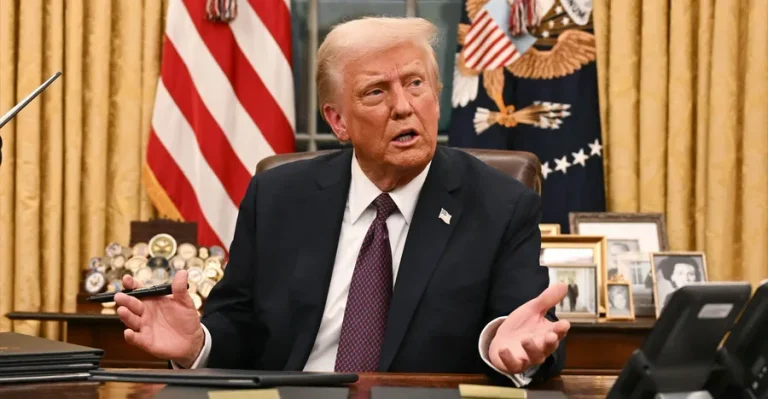
US President Donald Trump's decision to set the 25% rate for imports from Canada and Mexico and 10% for goods from China comes into force on Saturday, the White House said on Friday, but it did not give any details whether there will be any exemption for goods, which could result in rapid price increases for American consumers.
The republican president has made threats to impose tariffs in an effort to ensure greater co-operation by other countries to halt illegal immigration and drug trafficking, but he has also pledged to use tariffs to boost domestic production.
“Starting tomorrow, those tariffs will be in force”White House spokesman Caroline Leavet told reporters. These are promises made and promises made by President”
Mr. Trump had said she was considering the possibility of excluding Canadian and Mexican oil imports from tariffs, but spokeswoman Leawitt said there was no information about any possible change of position on the issue from the president.
The United States imported almost 4.6 million barrels of oil per day from Canada in October and 563,000 barrels from Mexico, according to Energy Department data. Day production of the United States during that month averaged about 13.5 million barrels a day.
He has earlier stated that a 10% fee for Chinese imports would be added on the existing fee to imports from China.
Right after spokeswoman Leawitt comments, stock index “S&P 500” marked a decline, erasing Friday's profit.
“We can expect revenge action from the three countries”, said Wendy Cutler, former U.S. negotiator for commercial affairs. China responded aggressively to tariffs imposed by President Trump on Chinese goods during its first term, targeting presidential supporters in rural areas of America with revenge fees on American farms exports.
Canada and Mexico have said they have prepared plans for revenge fees, to be used if necessary. These actions could cause a broader trade conflict, which, according to economists, could harm economic growth and cause further inflation growth. / VOA