8 hours ago
Supreme Court approves law prohibiting TikTok in the United States
Periskopi(a year ago)
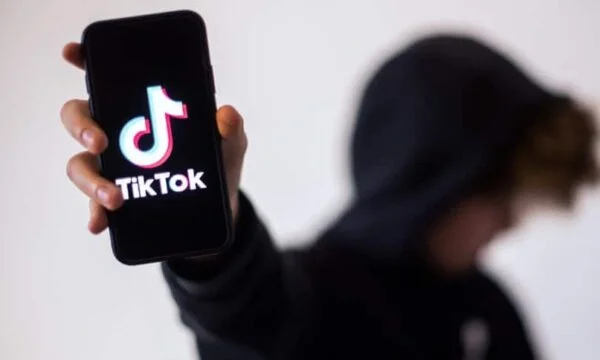
(a year ago)The Supreme Court of the United States on Friday unanimously decided to pass the federal law banning TikTok from Sunday, unless it is sold by its China-based mother company. The court argued the threat to national security caused by ties with China exceeds restrictions [...]
The court argued the national security risk caused by ties with China exceeds concerns about restricting freedom of expression from the app or 170 million its users in the United States, the AP reports.
The sale does not appear to be near, and, although experts have said the app will not disappear from the existing users' phones after the law goes into effect on January 19th, new users will not be able to download it or update it.
This, eventually, will make the app useless, the Department of Justice said in court documents.
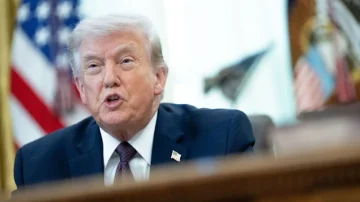
President-elect Donald Trump promised he could negotiate for a solution, while President Joe Biden's administration has signaled that it will not implement the law starting Sunday, his last full day in office.
Trump, aware of TikTok's popularity and of its 14.7 million followers on this app, is on the opposite side of the argument by the Senate's renowned Republicans, who blame the Chinese owner of TikTok for not finding a buyer so far.
It is not clear which options will be open to Trump after he is sworn in as president Monday.
Reuters reports that the TikTok Law gives the president authority to provide a single extension of up to 90 days for the sale deadline, if it proves there is a way and evidence for progress towards a sale, including mandatory “legal agreement”, which the law does not specify.
The application allows users to watch hundreds of videos within about half an hour, as some of them are just a few seconds long, according to a lawsuit filed last year by the state of Kentucky, where it claims TikTok is designed to create addiction and damage children's mental health. Similar indictments have been filed by more than a dozen states. TickTok called these claims incorrect.
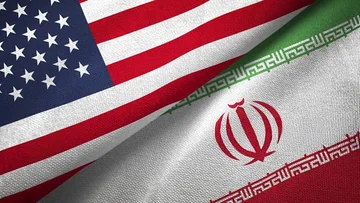
The dispute over TikTok's ties to China has taken on the form of geopolitical competition between Washington and Beijing.
The United States has stated that they are concerned about collecting large amounts of information from TickTok, including sensitive information on visual habits, that could end up in the hands of the Chinese Government through obligation. Officials have also warned that the algorithm specifying what users see on the app is vulnerable to manipulation by Chinese authorities, which can use it to shape content on the platform in a difficult way to detect.
TikTok, meanwhile, points out that the U.S. has not presented evidence that China has attempted to manipulate content on its platform in the United States or to collect data from American users through TikTok.
Without selling to a buyer, the law prohibits technological giants Apple, Google and others from offering TikTok from Sunday.