9 hours ago
Rushiti: Justice for victims of sexual violence is recognition and healing

Periskopi(a year ago)
(a year ago)Stigma is a hidden enemy who hits survivors of sexual violence in war, said Kosovo Centre for the rehabilitation of Torture Survivors (QKRMT) Director Feride Rushiti. According to Rush, its effect on many cases has destroyed those violated in the recent war in Kosovo. 25 years after the war, she stressed that [...]
According to Rush, its effect on many cases has destroyed those violated in the recent war in Kosovo. 25 years after the war, she stressed that justice is rehabilitation and not just punishment for what happened.
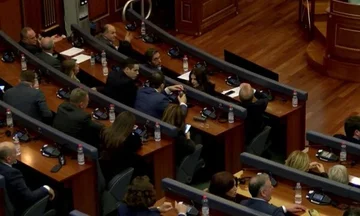
So she spoke at the table on the subject “The advantage of access to justice for survivors of sexual violence related to conflict”.
Sexual violence in war, but even in countries where there are current armed conflicts, leaves deep and multiple wounds. The effect is not only on the physical harm thought of but also on its mental destruction but, of course, its personal security. It involves a greater and more hidden effect, such as stigmatization that is even deeper the trauma of those with whom they face sexual violence. Many times the effect of stigma is a devastating effect. Stigma is a hidden enemy that strikes survivors after violence. It creates an invisible but serious barrier by isolating survivors from society and causing them to feel shame and foolish that prevails not only in her as an individual but, of course, among her family members”, Rushiti declared.
She added that the stigma for survivors also becomes an obstacle to seeking justice, for which she added it is essential rehabilitation and the return of dignity.
Justice is not just punishment, it's recognition and healing that we've better seen in our practices. Neither criminal justice nor restorative justice can fully address the complex damage experienced by a survivor. Justice for survivors of the sex violence of war must go beyond punishing the author of crime. It should be a comprehensive system where it even highlights the perpetrators' author, ensuring that survivors feel protected in this process and that their property is treated in privacy”, Rushiti added.
Chief of the law rule sector and human rights team from the EU Special Representative's Office, Jarmo Felix Helipikangas, said efforts are under way to provide justice.
There have been improvements, such as the Transitional Justice Agency that has recently been adopted and now for that and other parts normally take time to be recommended and there has been some effort to do so. Normally, it requires commitment and effort to all these answers, goes to the part of the government's and assembly budget approval. All of this, however, is something that is required of the part of righteousness and justice. But what we should not forget here is normally victims and witnesses, they are the essence of this, they must be brought to justice and also show their side of the story is a pretty big challenge”, he concluded.
The number of persons raped during the recent war in Kosovo is unknown, but reports speak of around 20,000.
For sexual rape by local courts, only Zoran Vukotic has been convicted, with a decision of formal form.
In Kosovo, there has been a law on recognition of their status since 2014, but only about 2,000 have received it so far. / KSP