8 hours ago
Reuters writes about polluted air in Kosovo, damage
Periskopi(a year ago)
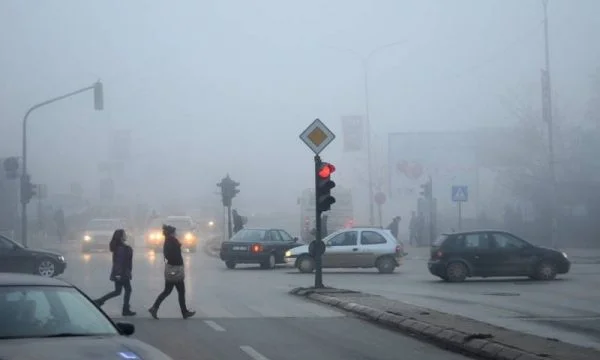
(a year ago)The international news agency Reuters has written about the polluted air in Kosovo, including the Western Balkans, and its impact on people's health, and on the path to European integration of states. The article in question begins with Shemsy Garen, who had worked in a coal mine for 30 years. According to Reuters, the toxic dust of [...]
The article in question begins with Shemsy Garen, who had worked in a coal mine for 30 years. According to Reuters, toxic dust had covered his face and plunged into respiratory ways.
The “Life at home was not much better, the thermal power plants that supply the mines constantly spilled smoke on his village. The race died on Sunday at the age of 55, as three years of treatment failed to control its lung cancer. In his last days, unable to walk, he lay on a couch at home, exhausted and painful, while a car pumped oxygen into his dying body”, Reuters writes in the first part of the article.
Jason, the wife of the deceased, had said that Shemsia said while she was alive: ” Only God knows the pain I have:x1>
Reuters writes that while much of the world is moving to reduce the use of fossil fuels, pollution in Western Balkan countries remains high due to house heating, outdated coal plants, old cars and lack of money to address the problem.
The Western Balkan countries have pledged to reduce carbon emissions, but economic difficulties have slowed progress. Kosovo, one of Europe's poorest countries, generates more than 90% of its energy from coal. The World Bank estimates that a transition to a coal-free economy will cost 4.5 billion euros”, it is said further.
Gara's doctor, Hakki Jashari, blamed his years on Gara cancer in the coal mine and polluting thermal power plants.
The cancer scandal is more than doubled in Obilic over the past two years”, Jashar said. He expects the situation to deteriorate.
The Kosovo Energy Ministry told Reuters it was committed to reducing emissions and investing in renewable energy projects and improving existing thermal power plants.