8 hours ago
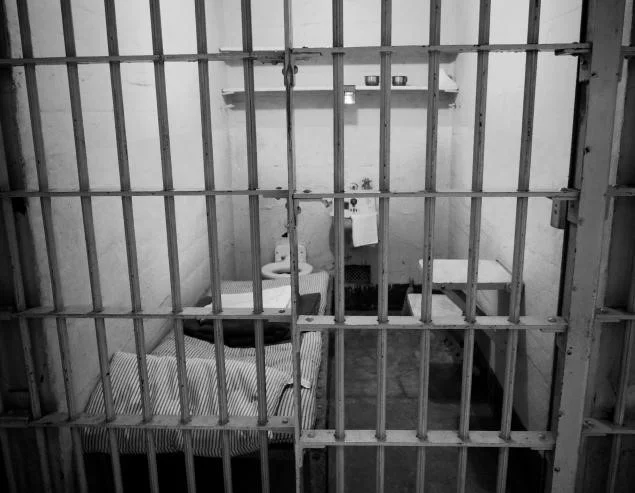
State where people are willing to go to prison
Periskopi(a year ago)
(a year ago)Japan, known for its life expectancy and low birth rate, is facing an unexpected social phenomenon. More and more older ones are committing minor crimes in order to end up in prison. This phenomenon points to deep problems such as social isolation, poverty, and the inadequateness of the welfare system [...]
Japan, known for its life expectancy and low birth rate, is facing an unexpected social phenomenon.
More and more older ones are committing minor crimes in order to end up in prison.
This phenomenon highlights deep problems such as social isolation, poverty and the inadequate social welfare system.
In Japanese prisons, the aging population is reflected even within the walls of criminal institutions.
In Tochigi's women's prison, the country's largest, elderly women get food and medicine help. For some, prison offers a stability that life abroad cannot guarantee.
One of these cases is Akyo, 81, who is serving his sentence for food theft. For him, prison is not punishment but shelter. This life is more stable for me”, she says. In prison she takes three meals a day, medical care and society, things she cannot have outside, writes A2 CNN.
Many other elderly women share her story. According to the data, over 80% of elderly women imprisoned in Japan have committed minor thefts. Most of them have been driven by poverty, as 20% of people over 65 live in difficult economic conditions.
Although the Japanese government has implemented programmes to support the elderly and facilitate their reintegration, these measures are often insufficient. For many people like Akyo, prison remains a safer alternative than loneliness and uncertainty outside.