8 hours ago
Pacolli's lawyer: Government has 60 days to return around 7m euros to Grandie
Periskopi(a year ago)
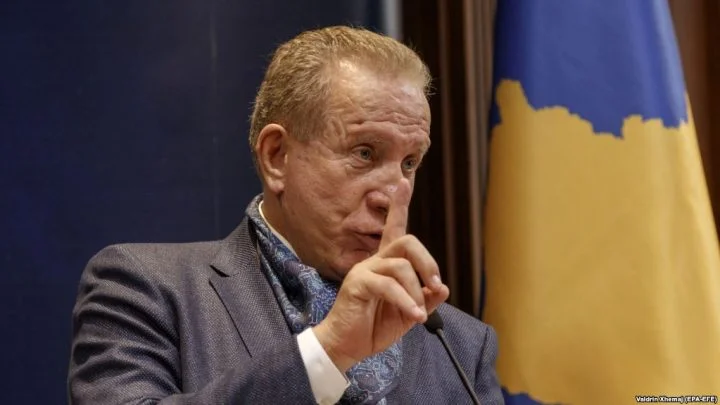
(a year ago)Nearly 20 years after the failed attempt to privatise the Grand Hotel in Pristina, the Kosovo state will pay over 7m euros to the company Mabco Construction, which won the trial in international arbitration in early January. This company, owned by Behgjet Pacolli, deputy and former Kosovo president, claims that injustice has been done to him, [...]
Nearly 20 years after the failed attempt to privatise the Grand Hotel in Pristina, the Kosovo state will pay over 7m euros to the company Mabco Construction, which won the trial in international arbitration in early January.
This company, owned by Behgjet Pacolli, deputy and former Kosovo president, claims he has been wronged after paying for hotel shares that he never took. The Kosovo Justice Ministry has acknowledged that it will have to carry out this fee, but has stressed that “Gradi will remain owned by Kosovo”.
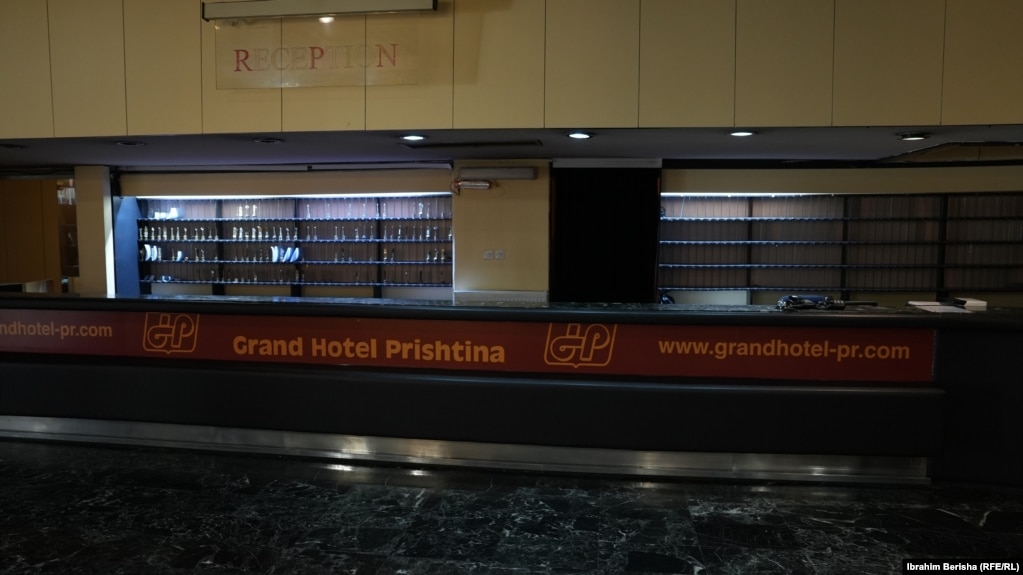
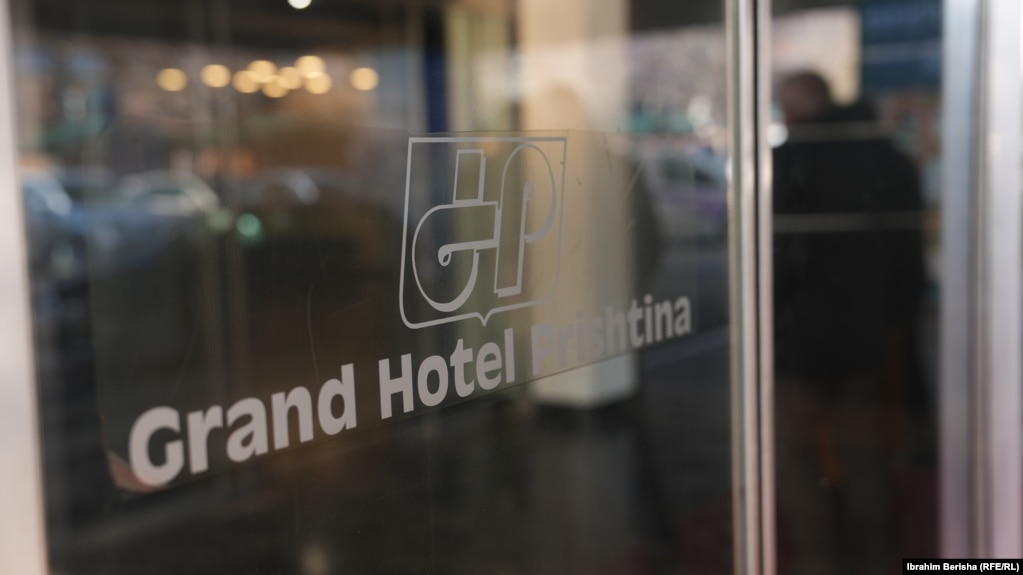
A broad reception, with small cabinets holding the keys to the rooms, is the first view to appear at the entrance of the Grand Hotel in Pristina. However, hosting guests is not currently the most common activity in this facility, which is owned publicly.
Lately, on the right side of the reception, white sheets of family surnames and navigational arrows are often seen, guiding to the halls where reliefs are arranged in cases of death.
This is one of the ways in which hotel halls are being used today, which in the '70s had a reputation as one of the largest hotels in the former Yugoslavia.
Several nongovernmental businesses and organisations, which operate in the spaces of this facility with an area of about 32,000 square metres, are also located at Grand.
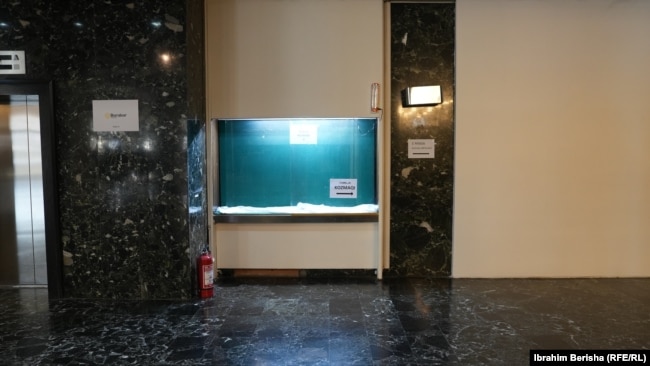
Built in 1978, the hotel has a total of 350 rooms, but, according to recent statements in management media, there are currently only about 150 of them, paid for about 20 euros per night.
Its online presence is almost existent, including in international travel platforms like Booking, while the official hotel website doesn't work.
How did the hotel start and fail to privatise?
Since construction, the Grand Hotel was a social property, destined for accommodation and gastronomial.
After the breakup of Yugoslavia and the war in Kosovo in 1999, Grandi passed under Kosovo Trust Agency (AKM).
This agency, following Kosovo's 2008 declaration of independence, became what is now called the Kosovo Privatisation Agency (AKP), which deals with privatisation of state-owned enterprises.
In 2005, the AKM then launched the privatisation process of the Grand Hotel, through a method known as “Spin Special Off”, under which the buyer had no right to change the function of the company.
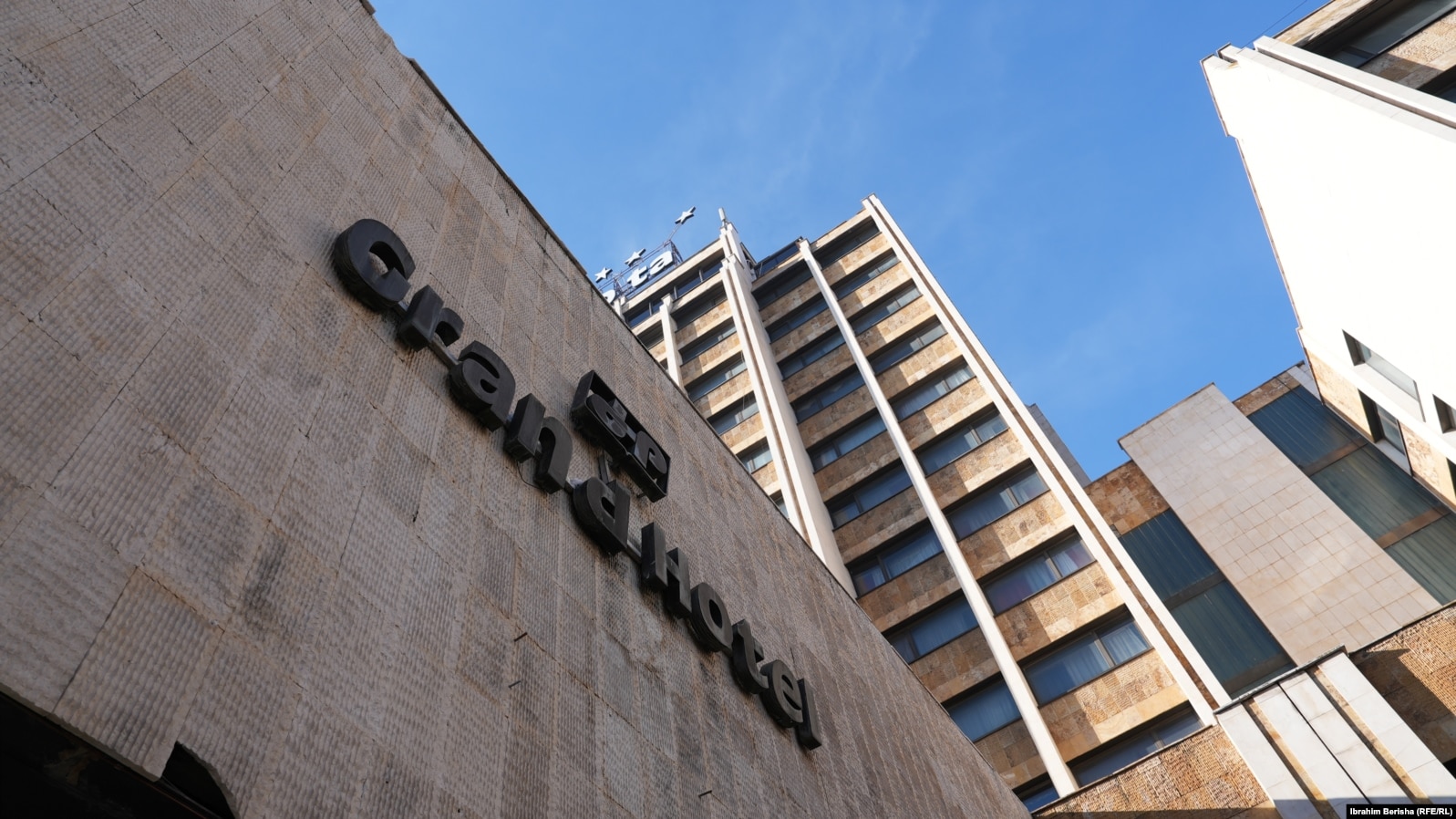
In 2006, after completing the bidding procedures, the winner was proclaimed Zelqif Berisha, the owner of the Unio Commerce company.
Under the contract, Berisha would pay over 8m euros in exchange for Grandi shares.
The contract provided that Grandi's buyer invested about 20m euros within two years and employ more than 400 workers.
After consisting that the previous investments had not been realised, in 2012, the institution -- already known as the AKP -- decided to restore Grandi's shares, removing Berisha's ownership.
Although he had complained in many judicial institutions, until the Constitutional Court, Zelqif Berisha never managed to restore Grand's shares.
Radio Free Europe has tried to get comments from Berisha on the issue, but it was not available until the moment this article was published.
How did Behgjet Pacolli's company get involved in this story?
Throughout the process of buying Grandi, Zelqif Berisha and his company officially figured as single buyers.
At that time, however, grand stake claim became the Behgjet Pacolli company, the Swiss-registered Mabco Construction, as well as the other businessman from Kosovo, Remzi Ejupi, with his Eurokoha Reisen company.
These two, according to public statements and later judicial processes, claimed they had reached an agreement with Berisha to co-finance Grand's acquisition.
Under this agreement, Berisha would hold a 40% stake, while Mabco would earn 40% of them and another 20% would meet Euro times.
Mabco claimed Grandi's purchase had made a 4m-euro transfer, money that was evacuated by the AKP.
However, the co-ownership of other companies was never recognised by the AKP and was never formalised during the process, despite the other two companies' legally following the case in many judicial institutions.
Zelqif Berisha's representatives have also said his company has made investments in Grand.
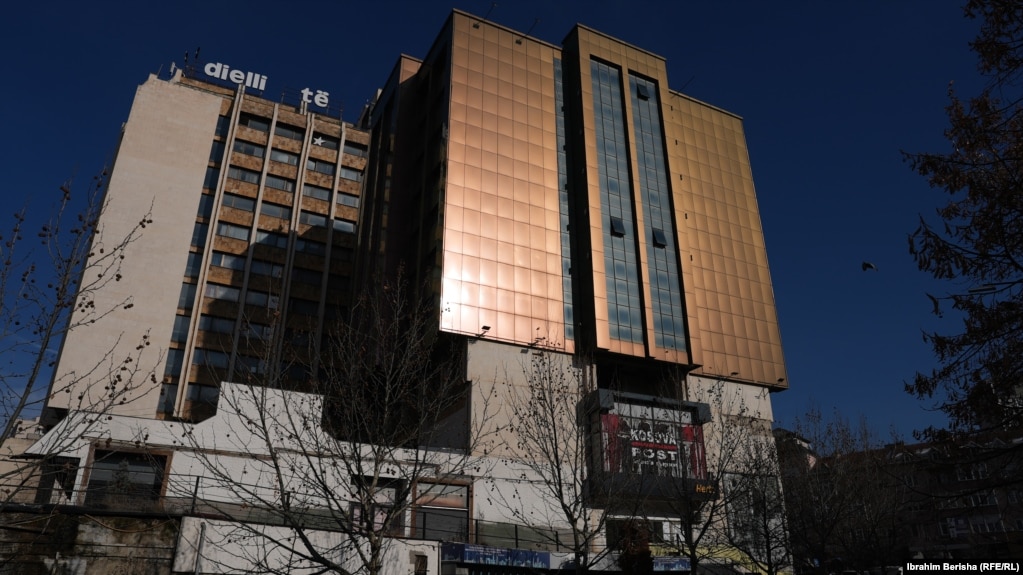
The issue remained pending until 2017, when Mabco Construction filed a complaint at the International Centre for Selecting Investment Convention (ICSID), an international arbitration court in Washington, demanding that the company return paid money.
In this court, Mabco faced the Kosovo Justice Ministry, which represented the state in this procedure.
On January 4th, Pacolli announced through a Facebook post that the court had decided in favour of his company.
The international arbitration decision is a must for Government to return the amount Mabco paid in 2006 to the state account”, Pacolli wrote.
Although they have not published the decision, on page I CSID finds that the decision in Mabco's case against the state of Kosovo has been made on January 3rd.
This decision was confirmed, as has Facebook, Justice Minister Albulen Haxhiu, who admitted they are forced to pay for Mabco, but that the company will not take Grandi shares.
We don't allow ownership of public property to anyone. Therefore, Grandi remains of Kosovo, and of its citizens”, she wrote on January 4th.
How much will the government pay and when?
According to Mabko's lawyer, Shkumbin Aslan, the amount Kosovo state owes to the company is about 7m euros.
He explains that this amount includes the 4m euros paid by Mabco in 2006, as well as the estimated interest and procedural spending.
Also, according to him, the decision is executable immediately.
The Kosovo government has 60 days to execute the payment. If you don't, the flow of interest starts”, he tells Radio Free Europe.
According to Aslan, Remzi Ejupi and his company were not parties to this process, which the Mabco company followed as alone.
Kosovo's government, the Ministry of Justice, respectively, has not answered REL questions about the amount that must be paid or whether the decision is applicable.
Even Remzi Ejupi was unable to give a comment on the case.
So far, the Kosovo Privatisation Agency and the Government of Kosovo have provided no answers to concrete plans for the future hotel.
The old container for the Grand Hotel, Behgjet Pacolli, says he won the case at Arbitrazh