9 hours ago
PACE MPs: increased publicisation on political scene could undermine Kosovo democracy
Periskopi(a year ago)
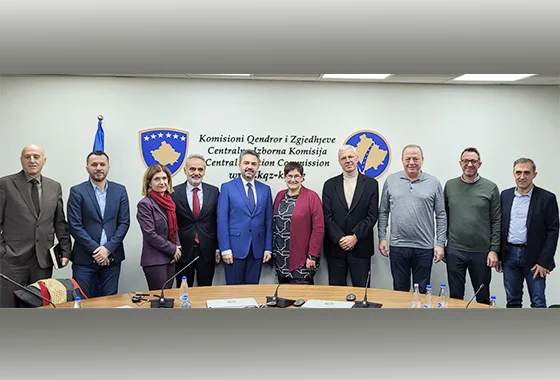
(a year ago)Kosovo has made good preparations for the February 9th parliamentary elections, but must address the increased “formalisation on the political scene with responsible and inclusive actions, according to the assessment of a delegation from the Parliamentary Assembly of the Council of Europe (PACE). Made up of Petra Bayr and Andrea Eder-Gitschhaler of Austria, and Mehmet Akalin [...]
Made up of Petra Bayr and Andrea Eder-Gitschhaler from Austria, and Mehmet Akalin from Turkey, Turkey's delegation PACE wrapped up a pre-election visit to Pristina, where it met with state and institutional leaders, with representatives of the international and diplomatic community, and members of civil and media society.
According to PACE deputies, the election campaign in Kosovo is under way in a calm and peaceful manner, but worrying remains the possible impact of mismanagement and use of artificial genius intelligence during the campaign, amid lack of online media regulation and transparency for media ownership.
The delegation has estimated that <x0.0 political parties' reluctance to participate in confrontation in television debates, and the announced boycott of three major television stations by the ruling party have been seen at the expense of public information, especially the elderly”.
Bayr, Eder-Gitschthaler and Akal have highlighted <x0 media's vital root in providing voter access to different and accurate information, which are key to placing”.
Earlier, the Kosovo Journalists' Association has said the boycott by the ruling party, the Vetevendosje Movement, of some of the televisions in Kosovo goes against transparency, and is an attempt to define the role of journalists and media” to hold “responsible for its policies”.
Delegation PACE has also cited concerns raised about the growth of populist and nationalist rhetoric, as well as the use of hateful and divisive “language.
According to him, such trends “can undermine interethnic democracy and cohesion, and can negatively affect women's participation in elections and politics”.
PACE deputies have said they are aware of the pressure and reported threat of Kosovo Serb voters, as well as of Belgrade-backed deinformation campaigns, while calling for “smangie of actions that could scale tensions”.
PACE, representing MPs from 46 European states, will send a wide delegation of 20 members, accompanied by legal experts from the Venice Commission, to monitor the 9 February election process.
In parliamentary elections, more than 1,200 candidates will compete, of whom the new composition of the Assembly will be chosen, and four candidates for prime minister: Albin Kurti of Vetevendosje, currently in power, Bedri Hamza of the Democratic Party of Kosovo, Lumir Abdixhiku of the Democratic League of Kosovo and Ramush Haradinaj of the Alliance for the Future of Kosovo.