8 hours ago
Harsh electricity reductions, ZERE speaking
Periskopi(a year ago)
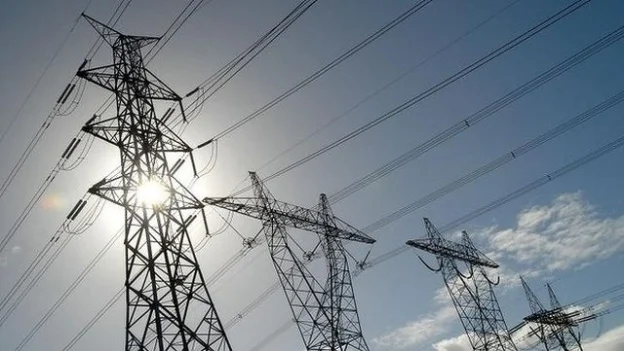
(a year ago)In recent days, power cuts have become a disturbing problem in Kosovo, with regions like Gjilani, Ferizaj, Maliseva, etc. reporting extended cuts. The relevant institutions, including the Energy Regulatory Office (ZRRE), KEDS, COSTT and KASCO have provided explanations, but their answers remain more excuses than concrete solutions. According to Operator [...]
According to the System Operator, Transmission and Market of Kosovo, disruptions are occurring due to network overload, not due to energy shortages.
The ZER has confirmed that several disruptions are the result of KOSTT-managed network overloads and has called for measures to sanctify and improve cargo management.
Also, investments in transmission and distribution network infrastructure are necessary, as differences between domestic production and consumption cover imports.
What is overload, and why does it happen?
Overload occurs when demand for energy exceeds the capacity of the network, for several main reasons:
- Pick Hours: Consumption increases significantly during the morning and evening, especially for heating and household equipment.
- Winter: Electricity is used for heat by overloading the network.
- Old infrastructure: Network equipment has not been modernised to cope with growing demand.
- Lack of investments: Population growth and industrialisation areas suffer from insufficient investments.
- Poor planning: No measures are taken to increase capacities in line with consumer growth.
In this situation, savings from consumers are required not only but strategic actions by institutions to modernise the network and ensure a sustainable supply.