7 hours ago
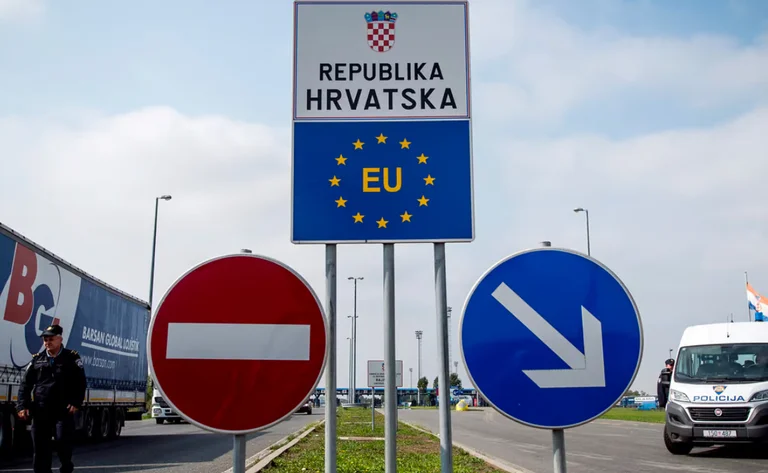
Croatia Eskam reports, recommends citizens not to travel to Serbia
Periskopi(a year ago)
(a year ago)Croatia's Foreign Ministry has recommended that its citizens not travel on Serbia's territory, if not necessary. This decision appears to have come after a long campaign of accusations and mistreatment reported to some citizens of Croatia who have travelled to [...]
This decision appears to have come after a long campaign of accusations and abuses reported to have been made to some citizens of Croatia who have travelled to Serbia.
Recently, five women of Croatian citizenship, civil society activists who were attending a conference in Belgrade organised by the foundation “Erste”, have been arrested by Serbia's police in late-night hours at a hotel in Belgrade, questioned by Serbia, and banned from entering Serbia on charges of “risking Serbia's security”.
According to the evidence of these women, the police officers who had been arrested were in civilian clothes and had been transported by unsigned civilian vehicles, which caused anxiety.
Croatia's Foreign Minister, Gordan Grliq Radman, has said he has also announced the European Union on these occasions and has sent a protest note to Serbia.
It is later found that the same measures Serbia's organs have taken to participants from six EU countries, but also from countries in the region like Albania and Northern Macedonia.
Concern about this has voiced concern Thursday evening as well as the European Union.
“We are concerned about the arrest and expulsion of peaceful civil society activists on the part of Serbia coming from EU member states and the Western Balkans region, with the claim to pose a threat to security. Civil society plays a key role in building a healthy democratic society. These values are at the foundation not only of the EU, but are also key to Serbia's future as a candidate country and its citizens, said the EU response.
Serbia's pro-government media had earlier published the personal data of several students from Croatia who had visited Serbia and were charged with “spiun coming to organise student protests”.